
Centennial Park
Centennial Park is a prominent West End landmark and a useful orientation point when describing nearby streets. We use the address you provide to locate the property rather than assuming a particular entrance or route from the park.

Mold Inspection and Testing in West End is a property assessment service that locates moisture conditions, evaluates suspected fungal growth, and uses sampling when test results will help answer a specific question. Nashville Mold Testing works across West End's mix of institutional, multifamily, and established residential buildings, where a roof leak, plumbing failure, or persistent condensation can affect rooms differently. Our inspection starts with your concern, then checks visible surfaces, building materials, and likely moisture pathways.
If you need Mold Inspection and Testing West End TN, we can investigate musty odors, visible mold growth, water intrusion, or post-remediation concerns. We use a pin and pinless moisture meter and, where access and evidence support it, an infrared thermal imaging camera to identify areas for closer inspection. Sampling is selected for the question at hand rather than used automatically.
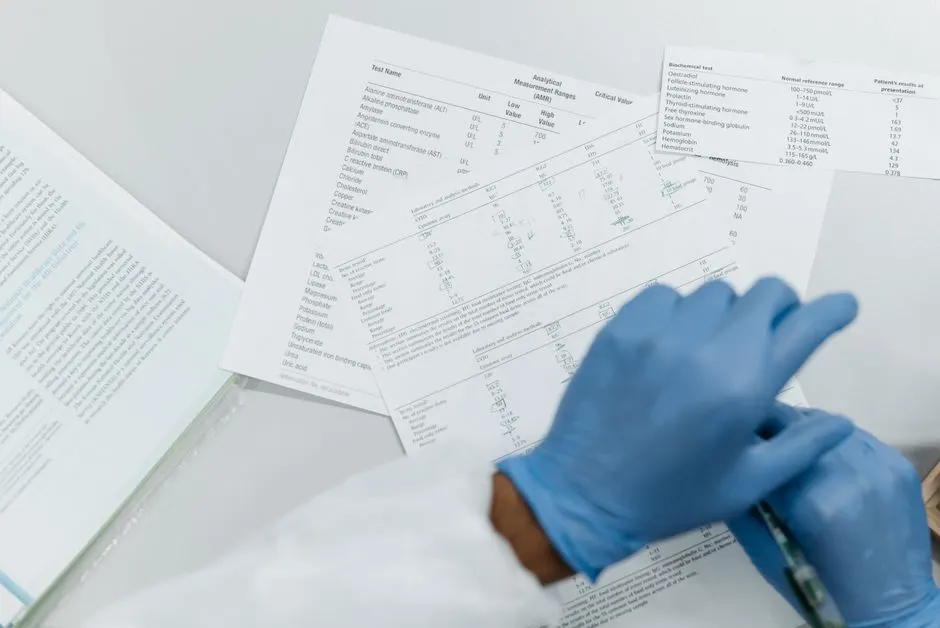
We serve the Vanderbilt University area, Midtown, and Sylvan Park, as well as properties along the Charlotte Pike corridor. Our reports describe observations, sampling locations, and laboratory findings when samples are collected. You get practical next steps for your property, not a generic result sheet.
West End buildings range from older single-family homes to multifamily and institutional properties, so the right service depends on the room, material, and water history. If you are searching for a mold testing company serving West End, Nashville, we can inspect visible growth, investigate hidden moisture, or collect samples for laboratory analysis. We select air, surface, or bulk sampling based on the question and record sample locations. Your report connects observations with results and clear next steps.
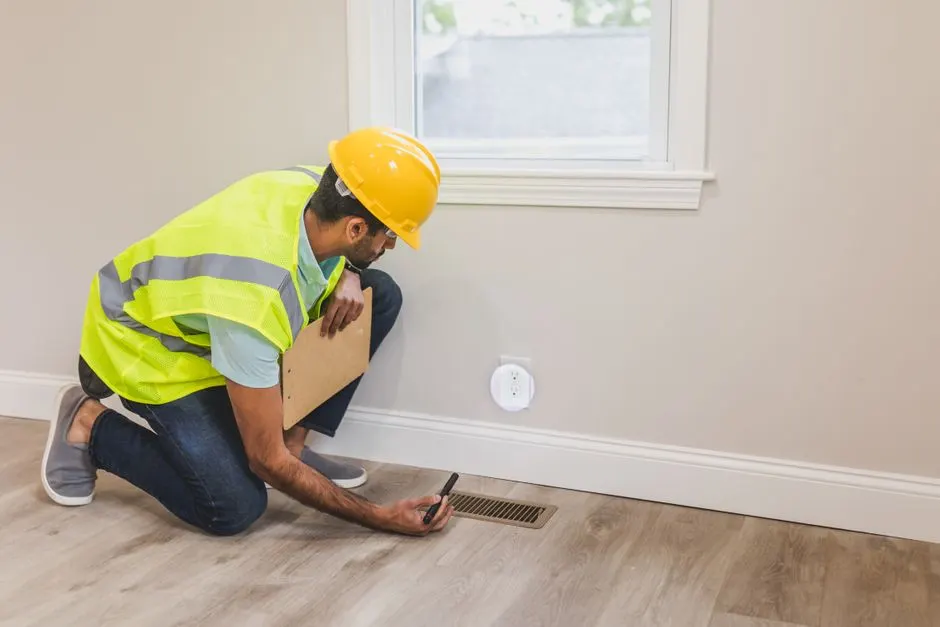

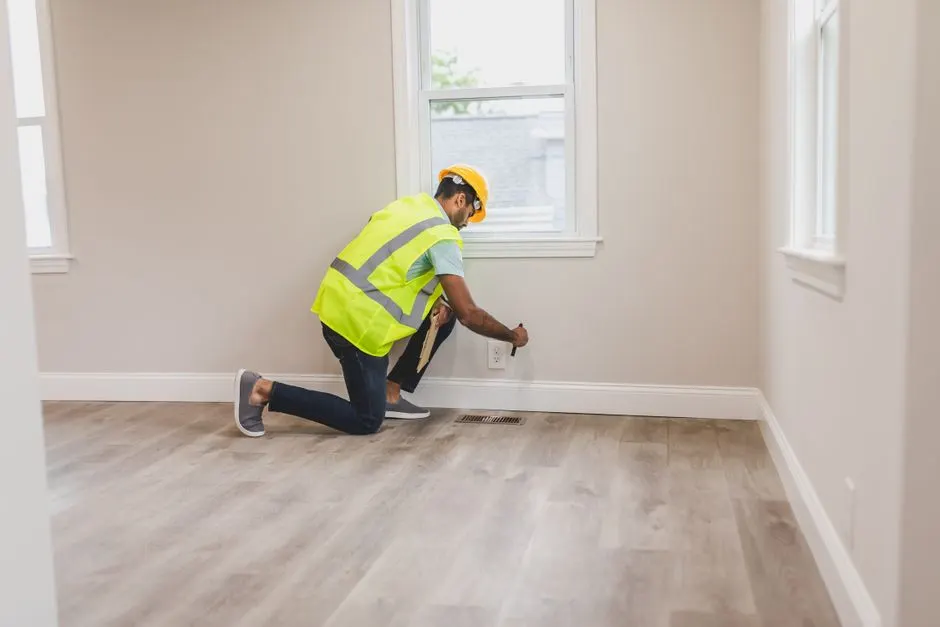
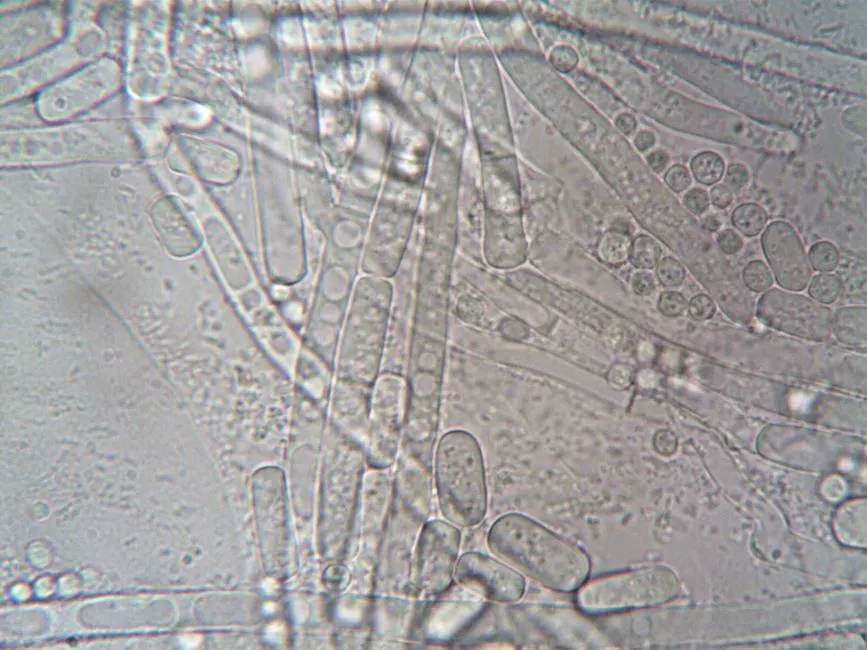


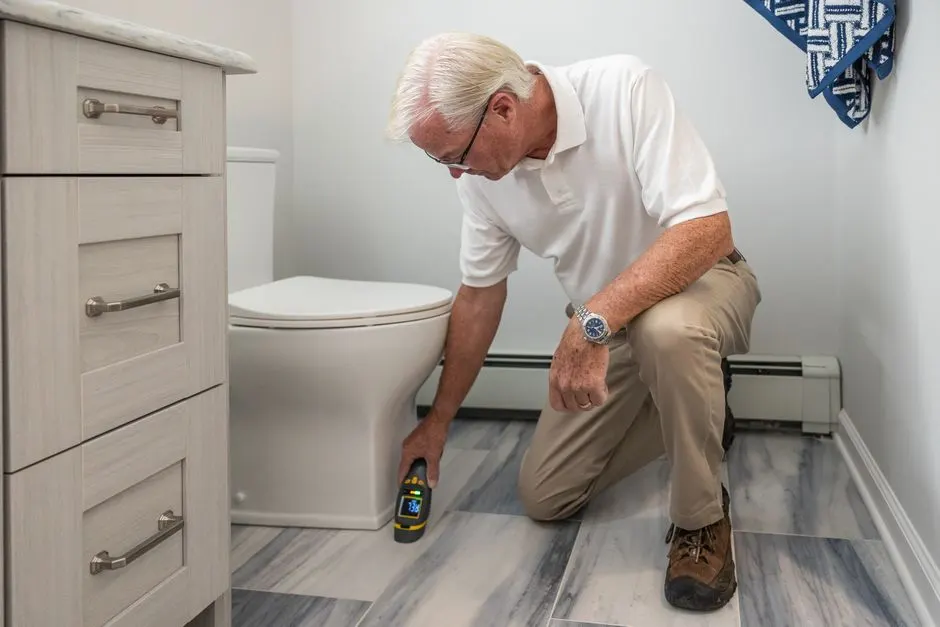
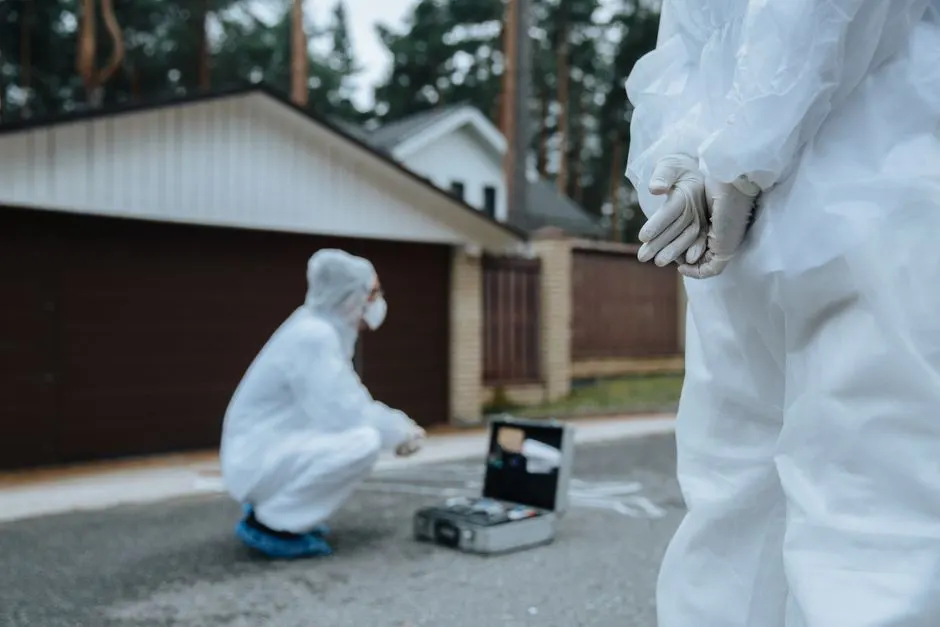
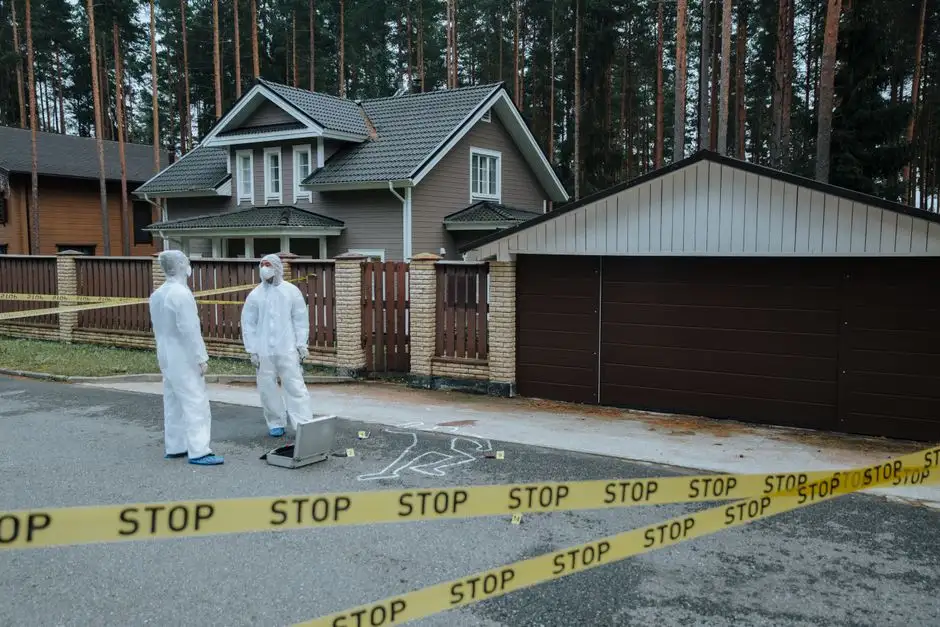
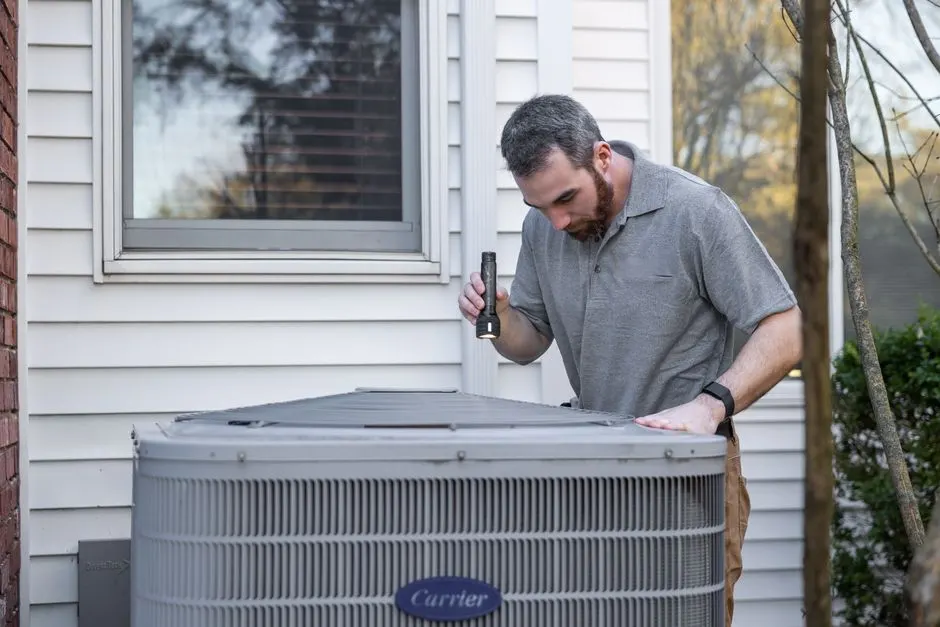
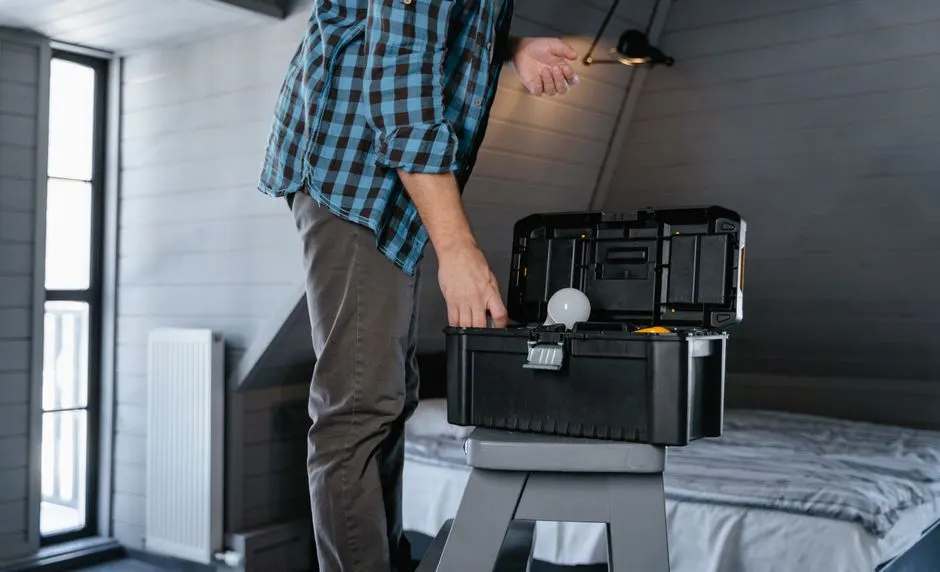
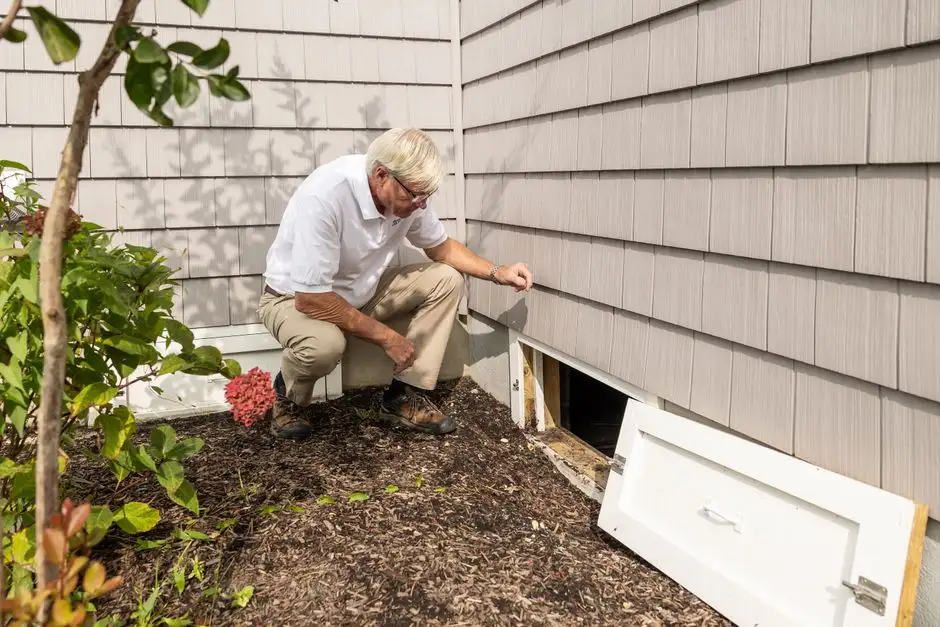
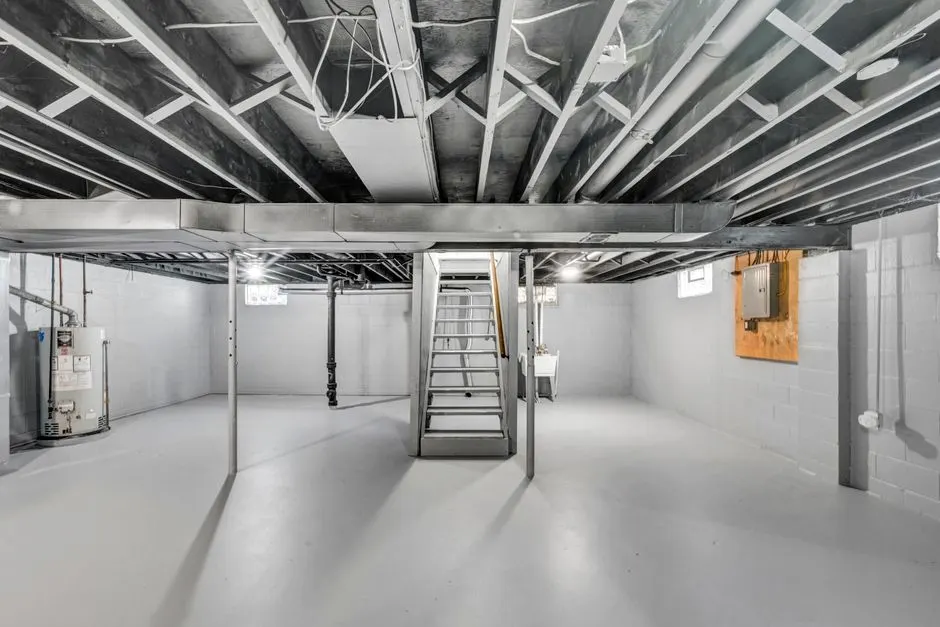



West End's humid summers and seasonal storms can expose weak points in roofs, foundations, and older building enclosures. The area's institutional, multifamily, and established residential building stock also means ventilation and access differ from one property to another. Mature trees and landscaped lots can affect drainage near foundations, but site conditions must be checked rather than assumed. West End Mold Inspection and Testing links observed growth or odor to moisture evidence and building history, helping you decide what needs repair or sampling.
A roof leak can wet sheathing and framing, while indoor moisture and temperature differences can contribute to attic condensation. Seasonal storms make roof history important, but staining alone does not show whether materials remain wet or growth is active.
Crawl spaces can hold damp air or show signs of water entry, especially where drainage and ventilation conditions vary. Landscaped lots and mature trees can influence water movement near foundations, but each property needs an actual site assessment before identifying a cause.
Older homes may have basements with previous leaks, below-grade moisture, or legacy ventilation conditions. Materials can retain dampness after visible water is gone, leaving odor or staining that returns during humid periods.
Humidity, cool surfaces, and inconsistent air movement can contribute to condensation in homes and occupied buildings. If moisture repeatedly forms on a surface, nearby finishes may become damaged or support growth, even without a single major leak.
Call for an inspection when you see growth, smell a persistent musty odor, or find a damp area that keeps returning after drying. West End properties with older basements, crawl spaces, or attic ventilation concerns deserve a closer look after a leak or repeated condensation. If you are searching for residential mold assessment near West End, tell us which room is affected, when the symptom started, and whether water entered recently. Those details help us focus the visit and choose whether sampling is useful.
Visible spots returning after surface cleaning
Growth that reappears after cleaning points to a condition that may still support it, such as ongoing moisture or a damp material behind the visible surface. Avoid covering the area with paint. We inspect the material and nearby moisture pathways to identify what needs further attention.
Musty odor concentrated in one room
A localized musty odor can come from concealed damp materials, stored contents, or a nearby building component. Odor alone does not prove mold, but it is a reason to inspect when it persists or returns. Note when it is strongest and whether heating or cooling changes it.
Basement staining after a storm
New or worsening staining after rain can indicate water entry or moisture movement through a below-grade area. West End homes with basements should be checked for current dampness and affected materials, particularly if the floor or wall remains wet. Prompt inspection helps document the condition before it changes.
Attic discoloration following a roof leak
Staining on attic sheathing or framing after a leak needs an inspection to distinguish old marks from active moisture and visible growth. Roof repairs and drying may address the water source, but the affected materials still need evaluation. Keep the leak history and repair details available.
Odor or dust concerns near HVAC equipment
A recurring odor near a return, air handler, or supply vent warrants checking accessible HVAC areas and nearby surfaces. Mold growth in HVAC systems cannot be confirmed from an odor alone. We inspect visible components and select testing only when it answers a defined question.
Centennial Park and The Parthenon provide familiar orientation points near West End, while Vanderbilt University helps distinguish the institutional area from nearby residential blocks. McCabe Community Center is another recognizable reference for navigating the broader service area. These landmarks help describe where a property sits; they are not evidence of a building condition. We confirm the exact address, access instructions, and affected room before the inspection.
Centennial Park is a prominent West End landmark and a useful orientation point when describing nearby streets. We use the address you provide to locate the property rather than assuming a particular entrance or route from the park.
The Parthenon stands within Centennial Park and is a recognizable reference for the surrounding West End area. It can help clarify general location in conversation, while the property address remains the basis for navigation.
Vanderbilt University is a major West End-area landmark that helps orient visitors to nearby institutional and residential streets. Building entry and parking vary by property, so we confirm those details directly with the customer or site contact.
Plus surrounding Davidson County neighborhoods, with same-day routing on most appointments.
Averaging 4.9 / 5 across verified reviews.
“Our older home near Sylvan Park had a damp smell in the basement after a leak. The inspector checked the affected wall and nearby materials, explained the moisture readings, and showed us where the sample was taken. The report made it easy to separate what was visible from what still needed a repair contractor.”
Morgan L.
Sylvan Park
“We needed an inspection for a suite in a multifamily building near Midtown. The team coordinated entry with our property contact, checked the complaint area, and documented the sample locations. The findings were explained in plain language, including what the air test could and could not tell us.”
Jamie R.
Midtown
“After a roof leak, we wanted the attic checked before closing out cleanup. The inspector looked at accessible framing, checked for moisture, and gave us a report we could share with the roofer. The visit stayed focused on the affected area and answered the question we had about the next step.”
Taylor W.
West End
As November moves into winter, West End owners should watch for condensation, roof leaks, and damp lower levels after seasonal storms. Cold outdoor conditions can make temperature differences more noticeable at windows, attic surfaces, and exterior walls. In spring, recurring rain can reveal drainage or roof problems; summer humidity can keep damp materials from drying quickly; fall storms can expose roof and foundation weaknesses. If you need airborne mold testing near me in West End, we first connect the concern to the room, moisture history, and reason for sampling.
Spring rain can reveal roof leaks, drainage problems, or water entry that was not obvious during dry weather. Check basements, crawl spaces, and attic ceilings after storms. A stain that changes or a damp smell that returns deserves a closer inspection.
Tip: Record when water appears and which surfaces are affected. If a leak is active, address the water source and call us to document moisture and inspect the affected materials.
Humid summer air can slow drying and contribute to condensation on cool surfaces. Basements, crawl spaces, and HVAC-adjacent areas may show recurring dampness or odor. A high indoor humidity reading is useful context, not by itself proof of mold.
Tip: Keep a note of recurring wet areas and whether cooling changes the symptom. We can check the affected materials and decide whether targeted sampling answers your question.
Fall storms can expose roof vulnerabilities and move water toward foundations. Leaves and changing outdoor conditions can complicate drainage around landscaped lots. Inspect ceilings and lower levels after heavy rain, especially where the property has a known leak history.
Tip: Photograph new staining and note the storm or leak timing. Call for an inspection if dampness persists after the water source has been addressed.
Winter brings cooler surfaces and indoor-outdoor temperature differences that can make condensation more visible around windows, exterior walls, and attic materials. Plumbing leaks can also wet cabinets or wall cavities before a stain appears. Persistent musty odors still warrant investigation.
Tip: Do not seal over wet or discolored materials. Keep the affected area accessible and tell us whether a pipe, roof, or condensation issue is suspected.
West End is part of our wider Nashville service area, so a property manager or homeowner with sites in several neighborhoods can arrange related inspections through one local team. We travel between central districts and nearby residential areas, tailoring access and sampling to each building. Service coverage includes addresses in ZIP codes 37203 and 37212, with 37205 also served; we confirm the property location when you call.
(City)
Downtown Nashville is east of West End within the same central Nashville service area, with access planned around the exact building address.
View Downtown Nashville(City)
The Gulch lies southeast of West End, allowing related property visits to be coordinated across central Nashville.
View The Gulch(City)
SoBro is part of the downtown area southeast of West End; building access and parking are confirmed by address.
View SoBro(City)
Midtown borders the West End service area, making it a nearby option for customers managing properties in both areas.
View Midtown(City)
Music Row is south of the West End area within Nashville, and visits are routed to the specific property entrance.
View Music Row(City)
Germantown is north of central West End, within the broader Nashville service region for residential and commercial inspections.
View GermantownReal answers from our team for the questions we hear most often before a job starts.
If a musty odor, leak, or visible growth is disrupting your West End home or building, call Nashville Mold Testing at +18668968166. We inspect the affected area, check moisture conditions, and explain whether sampling will help answer your question. Our service covers residential, multifamily, institutional, and commercial properties across Davidson County. Call now to arrange an inspection and tell us what you have noticed.
Tell us what you have noticed, where it is happening, and whether a leak or cleanup has already occurred. Call +1 866-896-8166 during regular business hours, Monday through Friday, 8 a.m. to 6 p.m. Central Time. We will discuss the concern, explain the inspection options, and help you take the next practical step.
Phone
+18668968166Address
Nashville, Tennessee
Hours
Mon–Fri: 7AM – 7PM
Sat: 8AM – 4PM
Sun: Emergency Only
24/7 Emergency Available