Logo
Get Estimate

Airborne Mold Spore Testing Nashville TN for Clear Answers

Find airborne mold concerns and identify practical next steps


Airborne Mold Spore Testing Nashville TN helps homeowners, property managers, and businesses investigate musty odors, visible mold growth, or suspected hidden contamination. Our Nashville airborne mold spore testing compares indoor air samples with an outdoor reference and documents the findings. If you have had a leak, recurring condensation, or recent remediation, we explain what the results indicate and what to address next in your Tennessee property.

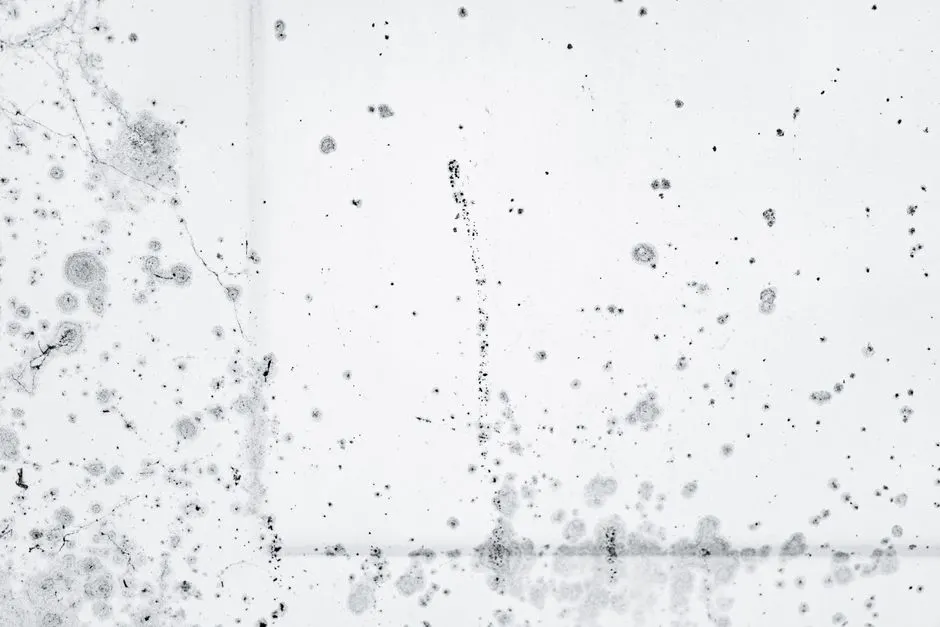
Intricate pattern of black mold spores on a white background, showcasing decay and organic growth.
Licensed Licensed & Bonded
Fully Insured Insured & Bonded
24/7 Emergency Same-Day Response
Warranty Backed Workmanship Guaranteed in Nashville

What Airborne Mold Testing Includes

A standard visit includes a focused discussion, observations of relevant accessible areas, selected air samples, careful sample identification, laboratory analysis, and a review of findings. The number of samples and laboratory options depend on the building and question. If the evidence points to a concealed source, material sampling or a separate targeted inspection can add information beyond room-air testing.

Concern And Location Review

We record the rooms, odor history, water events, and recent work that define the testing question. This helps us select sample locations that represent the concern rather than placing equipment randomly. You can share repair records or point out the areas that change when the HVAC system runs.

Air Sample Collection

We collect air using a pump and spore trap cassette at planned locations, keeping samples labelled by room. Outdoor comparison sampling is included when conditions and the investigation plan make it useful. Sampling duration and number of locations are set according to equipment requirements and the property question.

Moisture And Condition Notes

We document visible conditions and use a moisture meter or hygrometer where relevant. Those observations help interpret why one room may differ from another. Air sampling does not measure moisture, so recording damp materials, condensation, or ventilation concerns adds essential context to the report.

Laboratory Findings Review

Samples are submitted with identification and chain-of-custody records for laboratory examination. We review the reported fungal structures and relative findings with you, including the outdoor comparison where available. The discussion covers practical next steps and limits; laboratory results do not diagnose illness or identify every concealed colony.

Airborne Mold Spore Testing Nashville TN


Airborne Mold Spore Testing Nashville TN is an indoor environmental assessment that measures and compares airborne fungal particles when odors, water damage, or suspected mold raise questions about indoor air. We use an air sampling pump and spore trap cassette at selected locations, with an outdoor control sample when conditions allow. A qualified laboratory examines the samples for fungal structures and reports the types and relative concentrations observed. Results are interpreted alongside the building's moisture history and visible conditions; a sample is a snapshot, not a medical diagnosis or a stand-alone map of every hidden growth area.

Nashville properties face humid summers, seasonal rain, and temperature swings that can create condensation in attics, crawl spaces, basements, and HVAC systems. A roof leak or plumbing failure can leave moisture in concealed materials after the surface appears dry, while musty odors may persist without visible growth. Our mold spore sampling Nashville service is useful when you need evidence before planning repairs, after cleanup, or while investigating recurring moisture. For indoor mold spore sampling for homes in Nashville, we select rooms and comparison points to match the question being investigated.

What To Expect During Testing

Nashville airborne mold spore testing starts with the building question, not a one-size-fits-all sample count. We explain the locations, collect samples carefully, and connect laboratory results to the conditions we observed so you know what the findings do and do not establish.

01

Schedule

Call or book online — a real human picks up and confirms a 2-hour arrival window.

02

Diagnose

Licensed tech inspects on-site, then walks you through the cause and your options.

03

Fix

The job is completed to code and done right the first time — no shortcuts, no surprises.

04

Guarantee

Every job backed by a written workmanship warranty — and we stand behind it.

Sampling Tools And Methods

Tools & Equipment

Air sampling pump and Air-O-Cell cassette

The pump draws a measured volume of room air across a cassette that collects airborne particles for laboratory examination. We identify the room and sampling conditions so the result remains connected to the location.

Zefon spore trap cassette

A Zefon cassette is one recognized collection option for airborne particles. We use compatible equipment and follow its operating instructions, then preserve sample identity through lab submission and review.

Pin and pinless moisture meter

A moisture meter checks suspect materials for readings that may support a water intrusion or condensation concern. It helps guide investigation but does not identify mold by itself.

Hygrometer

A hygrometer records relative humidity and temperature at the time of assessment. These conditions help interpret condensation risk and explain why readings or odors may vary between rooms.

Infrared thermal imaging camera

A thermal camera can help locate temperature differences that warrant closer inspection, such as a suspected moisture pattern. It does not see through walls or confirm mold; findings need corroboration.

Methods & Standards

Indoor And Outdoor Comparison

We compare selected indoor samples with an outdoor reference when weather and site conditions make comparison useful. Outdoor fungal particles naturally vary, so the laboratory findings are interpreted by type and relative concentration alongside sampling locations, building use, and visible conditions. One comparison does not establish a universal safe or unsafe threshold.

ASTM D7338-Informed Assessment

ASTM D7338 is a standard guide for assessment of fungal growth in buildings. We use its assessment-oriented framework to consider moisture, building conditions, and visible evidence alongside sampling. The standard is guidance, not a substitute for a site-specific plan or laboratory interpretation.

Chain-Of-Custody Handling

We label samples by location and document their transfer with chain-of-custody forms. This creates a traceable record between field collection and laboratory analysis. Clear handling matters because an otherwise accurate laboratory result loses practical value if the room, time, or sample identity is uncertain.

When Air Testing Helps

01

A homeowner in East Nashville notices a musty bedroom odor after winter roof leaks and ceiling repairs.

What we do: We review the repair history, inspect accessible ceiling and attic conditions, and check suspect materials for moisture. We collect an indoor sample from the affected room and an outdoor comparison when suitable. If the observations suggest a hidden leak path, we explain whether targeted attic or wall investigation should follow.

→ You receive documented air findings and a clearer distinction between a room-air concern and an unresolved moisture source, helping you choose the next repair step.

02

A Green Hills property manager needs to review a basement after water intrusion and cleanup.

What we do: We inspect the accessible area, note dampness and visible conditions, and confirm that cleanup activity has stopped before sampling. Sample locations are selected to represent the affected room and comparison area. We send identified samples to the laboratory and review the report against the manager's post-work question.

→ The manager gets a location-specific record to retain with maintenance documentation and use when deciding whether further drying, repair, or follow-up is needed.

03

An office near Downtown Nashville reports an odor that appears when one HVAC zone starts.

What we do: We ask about operating schedules and identify rooms served by the zone. During the visit, we note system status, inspect accessible surfaces, and sample relevant locations if air analysis will help distinguish a room pattern. If evidence points to equipment or condensate concerns, we recommend a focused HVAC inspection.

→ Facility staff can investigate the affected zone with a defined set of observations instead of broad, unsupported assumptions about the entire building.

How Testing Works Across Nashville

Airborne mold spore testing services Nashville, Tennessee properties need should reflect how local buildings manage moisture. Warm, humid summer air can condense on cooled surfaces, while winter temperature swings expose weak insulation and ventilation in attics. Heavy rain can reveal roof, foundation, or drainage issues; older homes may also have layered finishes that hide earlier repairs. We ask about the event and the building before choosing sample points. For airborne mold spore testing near me in Nashville TN, our visit begins with accessible observations and moisture checks. We consider whether HVAC equipment is running, whether windows have been open, and whether cleaning or construction recently disturbed dust. Those details affect how representative an air sample is. Our method follows relevant EPA mold guidance and uses laboratory analysis; we do not claim a single test proves a building is mold-free. We serve Davidson County, including 37203, 37206, and 37027, and nearby Nashville neighborhoods. If results indicate a likely moisture source, we explain what inspection or repair should follow. Correcting the water condition is the durable step; sampling documents conditions but does not remove growth or dry materials.

Neighborhoods We Serve

  • East Nashville

    Older homes and additions can have mixed wall assemblies and past repairs. We ask where leaks occurred and compare the reported room with accessible attic or exterior conditions.

  • The Gulch

    Condominiums and commercial spaces may share mechanical systems or have limited access to exterior references. We plan locations around the affected unit and its ventilation conditions.

  • Green Hills

    Large homes can contain separate HVAC zones, finished basements, and attic spaces. We tie sample locations to the odor or water event rather than assuming one room represents the property.

  • Downtown Nashville

    Office and mixed-use buildings require attention to operating hours, occupied areas, and HVAC schedules. We document conditions so facility teams can relate findings to the correct zone.

Local Conditions We Plan For

  • Humid summer air meets cooled interior surfaces

    Condensation around supply registers, windows, or poorly insulated areas can create recurring dampness. We record humidity and moisture conditions so a sample result is interpreted alongside the building's current environment.

  • Heavy rain exposes roof or foundation water entry

    Water intrusion may affect concealed materials even after visible pooling is gone. We ask when the event occurred and inspect accessible areas before deciding whether air sampling or a focused moisture investigation best answers the concern.

  • Older assemblies conceal earlier repairs and damp materials

    Layered finishes can make a surface appear sound while a cavity remains suspect. Air sampling can indicate a room pattern, but targeted inspection is needed to locate concealed growth; we explain that distinction before recommending a next step.

Basement After Water Intrusion

Before

A Nashville homeowner reported a musty odor in a basement storage room after a plumbing leak. The floor had dried, but boxes remained against the wall and no one knew whether the smell came from the room, stored items, or an unresolved damp area. There was no recent sample or written record.

After

We inspected accessible surfaces, checked selected materials with a moisture meter, and collected indoor and outdoor comparison samples. The lab report arrived within several business days and showed the findings by sample location. The owner used the moisture observations to arrange focused drying and move storage away from the wall; no result was presented as a medical conclusion.

Maintenance: Keep stored items several inches from basement walls and check the area after heavy rain. Track humidity and repair leaks promptly. If odors return, compare new observations with the original report before repeating samples.

Before

After a small cleanup, a Midtown resident wanted to know whether the affected room was ready to return to normal use. The visible material had been removed, but dust remained on nearby surfaces and the owner had no documented moisture check or sample results.

After

We confirmed the work area was visibly clean, recorded moisture conditions, and collected planned samples after cleanup activity had stopped. The laboratory findings and room notes were reviewed together. The owner received a clear record of what was sampled and which remaining maintenance items were outside the air test itself.

Maintenance: Keep the area dry, maintain normal ventilation, and avoid storing damp materials nearby. Address any renewed water entry before ordering another sample; testing a wet or actively disturbed area may not answer the clearance question.

Before

A Downtown office reported an intermittent odor near one HVAC zone, but staff could not tell whether it came from a room surface, a system component, or an outdoor source. Sampling only the reception area would not have matched the complaint.

After

We documented system operation, selected locations near the affected zone, and included a comparison point. The report separated findings by location and helped facilities staff focus subsequent inspection on the relevant area. The testing visit took a few hours, with laboratory analysis delivered afterward rather than during the appointment.

Maintenance: Record when the odor occurs and whether the HVAC system is running. Replace or service components according to the equipment schedule, and investigate condensate or moisture issues promptly. Repeat testing only when a defined question remains.

Answers For Mold Spore Testing Concerns

Air testing is most useful when it addresses a real building question. Nashville Mold Testing helps you investigate persistent odors, water history, and post-cleanup concerns by connecting sample results with room conditions and moisture evidence. That context supports a decision about further inspection or repairs.

Problem

Musty odor continues after a leak appears repaired

An unresolved moisture pocket can continue to affect materials or indoor air, while repeated deodorizing only masks the symptom and delays a useful investigation.

Our Fix

We collect samples from the affected room and a comparison location when appropriate, then check nearby materials for moisture. If readings or observations point to a leak path, we explain where targeted investigation is warranted. The goal is to separate an air pattern from the moisture source that needs correction.

Problem

Visible mold is gone but occupants still notice an odor

A clean-looking surface does not establish that all affected materials are dry or that the odor source has been found, especially after concealed water damage.

Our Fix

We review the cleanup area, note ventilation and moisture conditions, and collect air samples if they address the concern. If a wall cavity, HVAC component, or adjacent material remains suspect, we explain what additional inspection can establish. A sample is interpreted with the room, not as a pass-or-fail health test.

Problem

Post-remediation contamination concerns remain unresolved

Without a documented review, owners may be unsure whether cleanup addressed visible debris, moisture, and the project's agreed clearance goals.

Our Fix

We perform a visual review and moisture check before collecting suitable samples. The report records locations and laboratory findings, then we discuss how the results compare with the project criteria. For post-remediation contamination concerns, timing matters: disturbed work should be complete and the area cleaned before sampling.

Problem

Air quality varies between rooms or HVAC cycles

A room-specific source or system-related condition can be overlooked if only one area is sampled, leaving recurring odors unexplained.

Our Fix

We compare selected rooms and note whether the HVAC system was operating during the visit. When useful, we sample near the concern and a reference area, then review the pattern alongside accessible system conditions. Follow-up HVAC inspection may be the next step if the evidence points toward a duct or equipment issue.

Useful Findings, Clear Next Steps

Useful Findings, Clear Next Steps

Nashville airborne mold spore testing gives you documented observations rather than a guess based on odor alone. We connect sampling locations, moisture readings, and building conditions so you can decide whether to investigate further, correct a moisture source, or verify completed work.

  • Compare Indoor And Outdoor Air

    A paired indoor and outdoor sample helps put the findings in context. Outdoor spores naturally enter buildings, so an indoor result is interpreted against the outdoor reference, room use, and visible conditions. That comparison helps you understand whether a room has an unusual pattern rather than treating any detected spore as proof of a problem.

  • Focus On The Moisture Source

    We check relevant areas with a pin and pinless moisture meter and a hygrometer, then relate readings to the sample locations. A damp wall, condensation-prone window, or HVAC concern changes what the air result means. You get a more useful investigation than a number separated from the building conditions.

  • Support Remediation Decisions

    If you are planning cleanup, a documented baseline can help define the question and sampling plan. After work is complete, follow-up sampling can assess airborne conditions alongside a visual review. For airborne mold testing after remediation Nashville, Tennessee property owners receive findings that help inform the next decision, not a guarantee about health outcomes.

  • Document Findings For Your File

    A report records where samples were collected, relevant observations, and laboratory findings. Keep it with repair invoices, moisture records, or a property file so you can track recurring issues over time. This is useful for owners, facility managers, and buyers who need a clear account of what was evaluated.

Methods And Documentation

Licensed & Certified

  • ACAC Council-certified Indoor Environmentalist — issued by American Council for Accredited Certification
  • ACAC Council-certified Microbial Consultant — issued by American Council for Accredited Certification
  • IICRC Applied Microbial Remediation Technician — issued by Institute of Inspection, Cleaning and Restoration Certification
  • IICRC Water Restoration Technician — issued by Institute of Inspection, Cleaning and Restoration Certification

Verified Reviews

Customer feedback Not published

We do not publish an independently verified rating in this page copy. Our testing process documents sample locations, relevant moisture observations, and laboratory results so you can understand what was examined. Call us with a specific concern and we will explain how the assessment is carried out.

Customer feedback Not published

We do not attribute invented customer statements or review scores to a platform. For your visit, we explain the sampling question, identify each location, and review the report with you. That way, you can connect the lab findings to the room and building conditions that prompted testing.

Customer feedback Not published

No review count or platform rating is stated here. Our service focuses on careful sample handling, relevant moisture checks, and a practical explanation of results. If you are dealing with a leak, odor, or completed cleanup, call Nashville Mold Testing to discuss the next useful step.

Field Knowledge And Careful Sampling

Our local experience is built around investigating the conditions that cause mold concerns in occupied homes and commercial spaces, then collecting samples that answer a defined question. We use accepted sampling practices, clear location notes, and laboratory analysis rather than promising that one cassette can reveal every hidden condition. Our approach draws on EPA mold guidance and relevant ASTM references, including ASTM D7338, the standard guide for assessment of fungal growth in buildings. We explain the limits of air testing plainly, so you can make a sound decision about inspection, repair, or follow-up.

  • We distinguish a short-term air sample from a full building assessment and explain what each result can establish.
  • Our technicians pair sample locations with moisture observations to help identify patterns worth investigating.
  • We use documented handling and chain-of-custody forms to keep samples identifiable from collection through laboratory review.
  • We consider HVAC operation, room use, recent cleaning, and outdoor conditions when interpreting an air sample.
  • We discuss respiratory protection and safe work practices consistent with applicable OSHA respiratory protection requirements.
Get Started Today
Field Knowledge And Careful Sampling

Airborne Mold Testing Questions

Real answers to the questions we hear most often from local homeowners and property managers.

How is airborne mold spore testing performed in Nashville?
A site visit and sample collection usually take 1 to 3 hours, depending on the number of locations. We discuss the concern, inspect relevant areas, and use an air sampling pump with spore trap cassettes at selected indoor points and, when practical, outdoors for comparison. The samples go to a laboratory for analysis. We then review the report alongside moisture observations, because air results alone do not locate every source.
How much does an indoor mold spore test cost?
A straightforward residential visit commonly costs $250 to $600 in 2026, depending on sample count and reporting needs. Additional locations, a larger commercial floor plan, or a more detailed investigation increase the total. The price reflects field time, sample handling, laboratory analysis, and report review. We explain the price before scheduling so you know what the planned testing covers.
Where can I get airborne mold sampling near me in Nashville?
Nashville Mold Testing provides local sampling across Davidson County, including Downtown, East Nashville, and Green Hills. Call +18668968166 to discuss the property type, odor or leak history, and the rooms involved. We use that information to plan an appropriate visit and sample locations. For larger sites, commercial spore testing near Downtown Nashville can be arranged around the areas and operating conditions that need evaluation.
When should mold spore testing be done after remediation?
Schedule clearance sampling after cleanup is complete, affected materials are dry, and the work area has been cleaned; allow at least 24 hours after the final cleaning when project conditions permit. Testing too early can measure disturbed particles rather than the finished condition. We pair air samples with a visual check and moisture readings, then compare results with the project's goals and any applicable remediation plan.

Related Testing And Inspection

Mold Inspection

A visual and moisture-focused inspection helps identify likely sources that an air sample cannot locate by itself. We assess accessible rooms and suspect materials, then use airborne testing when it answers a specific question. This pairing is useful when odors persist or staining suggests concealed moisture.

View Mold Inspection

Mold Testing

Mold testing may include air, surface, or bulk samples depending on the material and concern. Airborne testing evaluates particles collected from room air; other methods examine a particular surface or building material. We help select the method that fits your Nashville property and the question at hand.

View Mold Testing

Indoor Air Quality Testing

Indoor air quality testing addresses a broader set of indoor conditions than mold spores alone. If your concern includes ventilation, humidity, or odors, we can discuss whether a wider assessment is appropriate. Air sampling is interpreted with room conditions, HVAC operation, and outdoor comparison data.

View Indoor Air Quality Testing

Mold Sampling

Mold sampling is the collection step used to obtain air or material samples for laboratory analysis. We select locations based on the reported issue and keep each sample identified with location notes. This makes the lab findings more useful than an unlabelled result without building context.

View Mold Sampling

Surface Mold Testing

Surface sampling can help characterize suspected growth on a specific material, while airborne testing evaluates particles captured in the room air. We may recommend a surface swab or tape lift when visible growth needs identification. The two methods answer different questions and should not be treated as interchangeable.

View Surface Mold Testing

Bulk Mold Sampling

Bulk sampling examines a small piece of building material when the material itself is in question. It can complement air testing when damage is localized behind a finish or near a leak. We identify the sample location and discuss whether removal or a separate repair investigation is needed.

View Bulk Mold Sampling

Schedule Airborne Mold Spore Testing Nashville TN

If odors, visible growth, or a recent leak have you concerned, call Nashville Mold Testing at +18668968166. We explain the sampling plan and upfront price before booking, then review the findings with you. Our team serves homes and commercial properties across Davidson County.

Call Today Schedule Testing

Contact Nashville Mold Testing

Tell us what you have noticed, where it is happening, and whether a leak or cleanup has already occurred. Call +1 866-896-8166 during regular business hours, Monday through Friday, 8 a.m. to 6 p.m. Central Time. We will discuss the concern, explain the inspection options, and help you take the next practical step.

Or call us right now at +18668968166 — we answer.

Nashville Mold Testing


  • Phone

    +18668968166
  • Address

    Nashville, Tennessee

  • Hours

    Mon–Fri: 7AM – 7PM
    Sat: 8AM – 4PM
    Sun: Emergency Only
    24/7 Emergency Available

Call +18668968166 Get Quote
Call Quote