Logo
Get Estimate

Mold Clearance Testing Nashville TN for a Clean Recheck

Independent sampling confirms cleanup before you move forward


Mold Clearance Testing Nashville TN gives homeowners, property managers, and business owners a measured way to verify completed mold cleanup. We inspect the work area, check moisture conditions, and collect samples when the project plan calls for them. If you have recurring musty odors, visible mold growth, or concerns after containment comes down, our team documents what the results show so you can make the next decision with clear information.

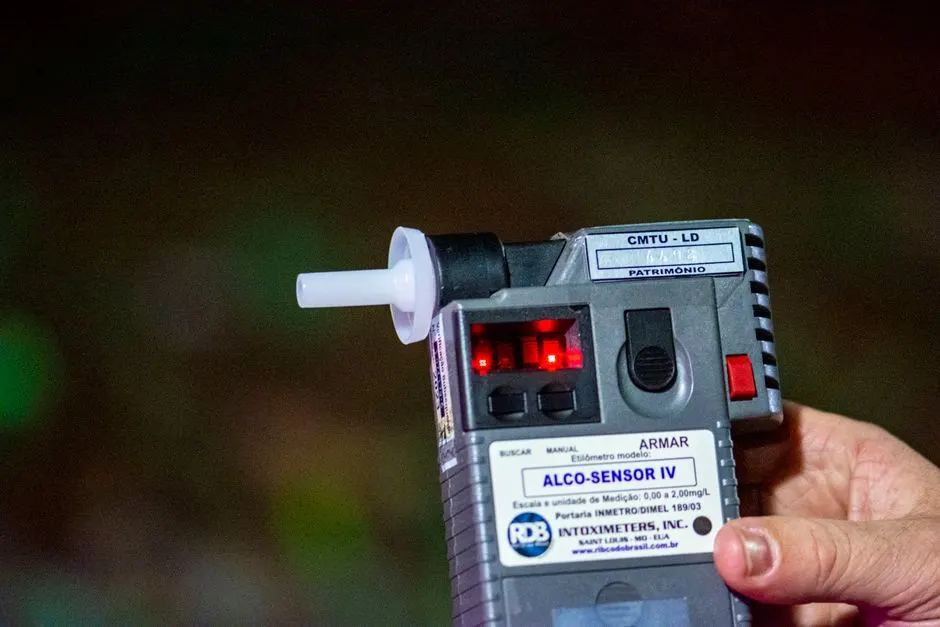
Detailed close-up of Alco-Sensor IV breathalyzer device held by a person outdoors in Londrina, Brazil.
Licensed Licensed & Bonded
Fully Insured Insured & Bonded
24/7 Emergency Same-Day Response
Warranty Backed Workmanship Guaranteed in Nashville

What Mold Clearance Testing Includes

A clearance visit is built around the remediated area and the agreed project question. We review accessible surfaces, check moisture conditions, and collect planned air or surface samples when those methods are appropriate. The report documents observations and laboratory findings. Repairs, demolition, and additional remediation are separate work performed by the relevant contractor; we identify observed concerns so you know what to address next.

Scope and Site Review

We review the affected rooms, cleanup boundary, and available remediation details with you. At the property, we inspect accessible surfaces for remaining debris, visible growth, or conditions that conflict with the completed work. This establishes what the clearance visit actually covers.

Moisture Condition Checks

We measure selected materials and indoor humidity to look for damp conditions that could support recurrence. Readings are recorded in context, including comparison areas where useful. Moisture checks do not identify mold, but they help show whether the original water problem appears controlled.

Planned Sample Collection

When sampling is warranted, we collect from defined air or surface locations and record the method and site conditions. Samples are handled for laboratory analysis with documented custody. We explain why each sample was selected and what its result can reasonably tell you.

Findings and Next Steps

Your report brings together inspection notes, moisture observations, sample locations, and laboratory findings. We explain whether the evidence supports moving forward or whether a specific concern needs attention. You receive practical information for coordinating with your remediation contractor or property manager.

Mold Clearance Testing Nashville TN: What It Checks


Mold Clearance Testing Nashville TN is an independent post-remediation assessment that evaluates whether a cleaned work area meets the agreed conditions for reoccupancy. We review the remediation scope, inspect accessible surfaces, check for remaining visible growth and dust, and assess moisture before collecting air or surface samples when appropriate. Samples go to a laboratory for analysis, and the findings are interpreted alongside site observations rather than treated as a stand-alone pass-or-fail number. You receive documented results tied to the areas examined.

Nashville properties face moisture challenges after roof leaks, plumbing failures, humid summers, and damp crawl spaces. Older homes in East Nashville and Germantown can also have concealed cavities where hidden mold behind walls is missed during surface cleanup. Our mold cleanup verification testing Nashville TN helps address post-remediation contamination concerns with a clear inspection sequence. If you are searching for post-cleanup mold testing for a home in Nashville, schedule after cleaning is complete and the work area is ready for inspection.

What to Expect During Testing

Mold Clearance Testing Nashville TN follows a practical sequence: review the remediation scope, inspect the work area, check moisture, collect planned samples, and explain the report. Most residential site visits take about 1 to 3 hours, depending on the number of rooms and samples. We coordinate access with you or your remediation contractor so the space is ready for a useful assessment.

01

Schedule

Call or book online — a real human picks up and confirms a 2-hour arrival window.

02

Diagnose

Licensed tech inspects on-site, then walks you through the cause and your options.

03

Fix

The job is completed to code and done right the first time — no shortcuts, no surprises.

04

Guarantee

Every job backed by a written workmanship warranty — and we stand behind it.

Tools and Testing Methods

Tools & Equipment

Infrared thermal imaging camera

We use thermal patterns to identify areas that may need closer moisture measurement. The camera does not detect mold; it helps guide follow-up checks around leaks, exterior walls, and recently dried materials.

Pin and pinless moisture meter

This meter checks moisture in building materials, with pinless readings useful for scanning and pin readings useful for targeted confirmation. We compare affected locations with nearby reference areas.

Air sampling pump

The pump draws a measured volume of indoor air through a collection device for laboratory analysis. We record the sample location and relevant room conditions so the result can be interpreted in context.

Spore trap cassette

A spore trap cassette collects airborne particles during a controlled sampling period. We use it where an air sample is appropriate and explain that one sample represents the sampled location and conditions, not every room in a building.

FLIR thermal imaging camera

FLIR equipment can help visualize temperature differences that warrant a moisture check. We confirm relevant patterns with a moisture meter because thermal images alone cannot establish the presence of mold or water.

Methods & Standards

Visual and moisture assessment

We begin with accessible surfaces, the cleanup boundary, and the original moisture pathway. Readings from affected materials are compared with nearby areas, and observations are documented before sampling. This method helps distinguish a clean-looking surface from a room that still has damp materials or visible residue.

Targeted air sampling

When air sampling is appropriate, we select locations based on the remediated space and the question being asked. We document room conditions, sample with a measured collection period, and submit the cassette for analysis. Findings are interpreted with the site inspection, not as a stand-alone verdict.

Surface sample collection

A surface swab or tape lift can evaluate a defined area where remaining residue or suspected growth needs closer examination. We record the exact location and material, use clean collection practices, and explain that a surface result applies to the sampled spot rather than the entire building.

Standards-informed interpretation

We use relevant guidance, including EPA mold guidance and ASTM D7338, to frame building assessment and explain observations. Standards inform the work; they do not create a universal numerical clearance threshold for every property. The report relates findings to the project scope and conditions documented on site.

When Clearance Testing Makes Sense

01

A kitchen supply-line leak in 12 South led to cabinet removal and mold cleanup.

What we do: We inspect the cleaned cabinet cavity and adjacent accessible surfaces, then check moisture in nearby materials. If the project question calls for laboratory evidence, we collect samples from documented locations and compare results with site observations.

→ You receive a focused record of the repaired area and any remaining moisture concern before cabinets or finishes are restored.

02

A Downtown Nashville office has completed contained remediation after a ceiling leak.

What we do: We review the work boundary with the property contact, inspect the cleared room and nearby transition area, and collect planned samples while the area is undisturbed. Our report identifies which rooms were assessed and how the findings relate to the cleanup.

→ The manager can use documented observations and results to guide reopening and communicate the status to occupants.

03

A Green Hills homeowner still notices an odor after cleaning a basement wall.

What we do: We check the cleaned surface, nearby building materials, and moisture conditions that may relate to water intrusion. If the odor question remains unresolved, we discuss targeted sampling or further investigation instead of assuming the cleanup failed or succeeded.

→ You get a clearer distinction between a dry, visibly clean area and a continuing moisture or hidden-source concern.

04

A landlord needs a clearance record after remediation in an East Nashville rental.

What we do: We inspect accessible surfaces within the completed work area, review moisture readings, and document any samples collected. We coordinate access around the property schedule and explain the findings in language that is useful for maintenance and tenant records.

→ The property file has a dated account of the assessed rooms and the conditions observed before the unit returns to regular use.

How Clearance Visits Work Across Nashville

Nashville's humid summers and periods of heavy rain can leave crawl spaces, basements, and wall cavities damp long after a visible leak is repaired. In winter, condensation around cold surfaces can complicate moisture checks in older houses and converted commercial buildings. Our team adapts the inspection to the material and the original source, whether the concern is attic mold after roof leakage, a basement affected by water intrusion, or mold growth in HVAC systems. We provide mold clearance testing services Nashville, Tennessee property owners can use after cleanup, with observations tied to the actual rooms inspected. For commercial mold clearance testing near Downtown Nashville, we coordinate access around occupied areas and document the boundary so adjacent spaces are not confused with the work zone. We serve Davidson County and work across ZIP codes 37203 and 37206, as well as 37027 and 37138. If you need mold remediation verification testing Nashville TN, have the cleanup complete and the area accessible before the visit.

Neighborhoods We Serve

  • East Nashville

    Older homes and additions can include concealed wall cavities around past plumbing repairs. We focus moisture checks on the repaired area and nearby materials before sampling.

  • The Gulch

    Occupied condos and mixed-use buildings require clear boundaries between a remediated unit and shared spaces. We document the rooms assessed and coordinate access with the property contact.

  • Green Hills

    Large homes may have separate basement, attic, and HVAC concerns. We define the clearance area first so results stay tied to the specific cleanup rather than the whole property.

  • Germantown

    Renovated historic buildings can combine older materials with newer finishes. We consider the accessible construction and the original moisture source when choosing inspection points.

Local Conditions We Plan For

  • Humid summer air slows drying in crawl spaces and enclosed rooms

    A surface can look dry while moisture remains inside porous materials. We compare readings at affected and nearby locations and consider indoor humidity before interpreting whether cleanup conditions are stable.

  • Heavy rain exposes roof leaks and basement water entry

    If water intrusion continues, a clearance sample cannot substitute for correcting the source. We document signs of ongoing moisture and direct attention to the affected building area before finishes are restored.

  • Older renovations conceal cavities behind new wall finishes

    A clean visible surface does not rule out a separate concealed concern. We use observations and moisture patterns to determine whether additional access or a targeted hidden-mold investigation is warranted.

Bathroom Leak Cleanup Verified

Before

A homeowner in East Nashville had a slow plumbing leak behind a bathroom vanity. The cabinet and a section of wall were cleaned, but the family wanted confirmation before installing new finishes. A lingering musty odor and uncertainty about the wall cavity made it difficult to decide whether the repair could move forward.

After

We inspected the accessible work area, checked moisture at the repaired wall and adjacent framing, and collected the planned air sample. The report documented the room and sample location, then explained the laboratory findings alongside the moisture observations. The homeowner had a clear basis for coordinating the finish work and addressing the one damp reading.

Maintenance: Keep the repaired plumbing connection accessible for a short follow-up check, and watch for renewed staining or odor. Run the bathroom exhaust during showers and report any moisture change promptly.

Before

A small office near Downtown Nashville had contained cleanup after water entered from a ceiling leak. The remediation crew removed affected material and cleaned the area, but the manager needed a separate record before staff returned. The original leak had been repaired, although adjacent ceiling tiles still required inspection.

After

We reviewed the cleanup boundary, checked the accessible ceiling and nearby surfaces, and collected samples from the agreed locations. The visit covered two rooms and took about two hours. The report identified the areas tested, summarized the laboratory findings, and noted that the adjacent ceiling tiles needed a separate maintenance decision.

Maintenance: Have building maintenance inspect the roof and ceiling after heavy rain, and replace any stained material only after confirming it is dry. Keep the clearance report with the suite's maintenance records.

Before

A Green Hills homeowner had cleaned visible growth on a basement wall after water seepage. The wall looked better, but humidity stayed high and a musty smell returned after rain. The owner needed to know whether the cleaned area was dry before repainting and storing household items nearby.

After

We checked moisture across the affected wall and a nearby comparison area, recorded indoor humidity, and inspected the visible cleanup boundary. Readings showed one section remained damp, so the owner addressed drainage before closing the wall. The assessment separated that moisture issue from the laboratory sample findings.

Maintenance: Check the basement after storms, keep stored items several inches off exterior walls, and monitor the repaired drainage area. Recheck moisture before repainting if the musty odor returns.

Problems an Independent Clearance Check Can Address

After mold cleanup, uncertainty often comes from a musty odor, a damp reading, or a room that looks clean but was not independently checked. Our assessment separates what is visible from what moisture measurements and samples show. If you are weighing mold remediation verification testing Nashville TN, we focus on evidence tied to your cleaned area.

Problem

Musty odor remains after a finished cleanup in a Nashville home

The odor can point to damp material, hidden residue, or another source; repainting or replacing finishes without investigation can leave the underlying condition unresolved.

Our Fix

We inspect the cleaned room and adjacent accessible areas, check moisture around the original leak, and discuss whether targeted sampling can answer the concern. If readings indicate dampness, we identify the location for follow-up rather than treating a single air result as proof that the source is gone.

Problem

A contractor says cleanup is complete, but no independent record exists

Without documented observations, owners and tenants may disagree about the work area, remaining debris, or whether conditions are suitable for normal use.

Our Fix

We review the remediation boundary, inspect accessible surfaces, and record the rooms assessed. Planned samples are labeled by location and interpreted alongside site conditions. You receive a report that makes clear what was checked, what was sampled, and what the results support.

Problem

Moisture returns around a repaired leak or damp crawl space

Recurring moisture can support new growth even after affected materials have been cleaned, especially where ventilation is limited or water entry continues.

Our Fix

We compare moisture readings across affected and nearby materials and look for conditions consistent with an unresolved water source. Our findings help you direct the next investigation toward a roof, plumbing, or crawl-space issue before closing the area back up.

Problem

A commercial room needs documented clearance before reopening

Employees, tenants, and managers need a clear account of inspected areas and any remaining concerns before normal use resumes.

Our Fix

We coordinate access to the remediated zone, document the inspected boundary, and collect planned samples without disrupting unrelated operations. The report gives property contacts a concise record of findings to use in reopening discussions and maintenance files.

Clear Results for Your Next Step

Clear Results for Your Next Step

A completed cleanup needs more than a visual glance from across the room. We compare site conditions with the agreed remediation scope, document what we observe, and explain what laboratory findings do and do not establish. That gives you a practical record for deciding whether the area is ready for normal use or needs additional attention.

  • Verify the Work Area

    Our Nashville mold clearance testing starts with a close visual review of accessible surfaces, the containment boundary, and nearby areas that could have collected dust. We note remaining debris, staining, or visible mold growth instead of relying on a sample alone. You get a specific account of the rooms and surfaces examined.

  • Check Moisture Conditions

    A clean surface can be temporary if the moisture source remains active. We use a moisture meter and hygrometer to check conditions around the remediated area, including walls, framing, and adjacent rooms. The readings help identify damp materials that could support recurring growth and give you practical information to discuss with your remediation contractor.

  • Document Sample Findings

    When sampling is part of the plan, we record the sample locations and handling details before laboratory submission. Your report identifies the areas tested and explains the results in plain language. That documentation helps homeowners, property managers, and contractors compare findings with the work completed.

  • Support Reoccupancy Decisions

    A clear post-cleanup record helps you coordinate the next step, whether that is restoring a room, reopening an office, or asking for focused additional cleaning. Our post-remediation mold clearance test Nashville TN connects observations, moisture checks, and laboratory data so you can act on evidence rather than guesswork.

Standards and Field Documentation

Licensed & Certified

  • ACAC Council-certified Indoor Environmentalist — issued by American Council for Accredited Certification
  • ACAC Council-certified Microbial Consultant — issued by American Council for Accredited Certification
  • IICRC Applied Microbial Remediation Technician — issued by Institute of Inspection, Cleaning and Restoration Certification
  • IICRC Water Restoration Technician — issued by Institute of Inspection, Cleaning and Restoration Certification

Verified Reviews

Customer feedback Not published

A homeowner described a post-cleanup visit in Nashville that included a moisture check near a repaired leak and documented air sampling. The report explained what was tested and identified the remaining damp area, helping the owner decide what to address before replacing finishes.

Customer feedback Not published

A property manager valued the clear room-by-room record after cleanup at a Downtown Nashville office. The visit documented the containment boundary, sample locations, and results, making it easier to communicate the next steps with building maintenance and occupants.

Customer feedback Not published

A Green Hills homeowner called after a basement odor returned following cleanup. The assessment separated moisture concerns from sample findings and explained why drainage needed attention before repainting. The homeowner received a practical summary rather than an unexplained laboratory sheet.

Field Judgment and Clear Reporting

Clearance work requires sound sampling judgment, not just equipment. Our team assesses the conditions that matter after cleanup: whether visible residue remains, whether moisture is controlled, and whether samples answer the specific question at the property. We use established inspection practices and explain how observations relate to the remediation plan. Where a project calls for specialized interpretation, ACAC Council-certified Indoor Environmentalist or ACAC Council-certified Microbial Consultant credentials are relevant benchmarks; remediation crews may also hold IICRC Applied Microbial Remediation Technician training. Your report focuses on what was examined and what the evidence supports.

  • We document sample locations and site conditions so laboratory findings can be interpreted in the context of the remediated rooms.
  • Our inspection approach distinguishes visible residue, moisture evidence, and laboratory results instead of treating them as interchangeable proof.
  • We consider EPA mold guidance and ASTM D7338 when framing assessment questions and explaining building-related fungal growth.
  • Our technicians use sampling equipment and chain-of-custody practices suited to the specific air or surface question.
  • We work with homeowners, contractors, landlords, and commercial property contacts across Davidson County.
Get Started Today
Field Judgment and Clear Reporting

Mold Clearance Testing Questions

Real answers to the questions we hear most often from local homeowners and property managers.

What happens during mold clearance testing in Nashville?
A clearance visit checks the cleaned area, moisture conditions, and planned air or surface samples, usually in 1 to 3 hours for a home. We first review the cleanup scope, then inspect accessible surfaces and document any remaining debris or visible growth. If sampling is appropriate, we record locations and send samples for analysis. The final report explains site observations and laboratory results together, so you can understand whether the evidence supports the next step.
How much does a post-remediation mold test cost?
A residential post-remediation visit commonly costs $250 to $750 in 2026, depending on rooms, sample count, and laboratory analysis. A small single-room check with limited sampling sits toward the lower end; larger homes or commercial areas with multiple zones cost more. We explain pricing upfront before work begins. The report covers the areas inspected and the samples collected, giving you a documented basis for discussing any remaining work.
When should clearance testing be scheduled after mold cleanup?
Schedule testing after cleaning is complete, debris is removed, and affected materials have dried, often 24 to 48 hours after the work area is ready. The remediation contractor should pause activity that could disturb settled dust, and containment should remain configured according to the project plan until inspection. We coordinate timing with you and the crew so samples reflect completed work rather than an active cleanup. If moisture readings remain elevated, address that condition before relying on clearance results.
Where can I find independent mold clearance testing near me?
Nashville Mold Testing provides independent clearance visits across Nashville and Davidson County, including Downtown, Green Hills, and East Nashville. If you are searching for mold clearance testing near me in Nashville TN, call 866-896-8166 to discuss the affected rooms and cleanup status. We can help determine whether a visual assessment, moisture checks, laboratory sampling, or a combination best answers your question. Service coverage includes ZIP codes 37203, 37206, and 37027.

Related Mold Testing Services

Mold Inspection

A mold inspection helps locate visible growth, moisture sources, and areas that may need remediation before clearance is useful. In Nashville, we document affected rooms and accessible building materials, then help define which areas should be reinspected after cleanup.

View Mold Inspection

Mold Testing

Mold testing uses air or surface samples to answer a specific indoor fungal question. After remediation, it can support clearance when paired with a site inspection and moisture assessment. We explain sample locations and limitations so the results fit your Nashville property.

View Mold Testing

Indoor Air Quality Testing

Indoor air quality testing examines selected conditions in a property, including airborne particles or moisture-related concerns. If you still notice musty odors after cleanup, targeted testing can add context to a clearance visit and help identify whether further investigation is warranted.

View Indoor Air Quality Testing

Mold Sampling

Mold sampling collects material from defined locations for laboratory analysis. After cleanup, we choose an air or surface method based on the question and document where each sample came from. This keeps results connected to the remediated space rather than a generic building-wide claim.

View Mold Sampling

Airborne Mold Spore Testing

Airborne mold spore testing measures particles collected from selected indoor locations and, when useful, a comparison area. For a Nashville clearance visit, sample placement and room conditions matter; the result is interpreted alongside inspection findings and moisture readings.

View Airborne Mold Spore Testing

Surface Mold Testing

Surface mold testing evaluates a specific material or area using a sample such as a swab or tape lift. It can help investigate a remaining stain or suspected residue after cleaning, but it does not replace a broader visual and moisture assessment.

View Surface Mold Testing

Book Mold Clearance Testing Nashville TN

Get a documented check of the cleanup, moisture conditions, and planned samples before you return a room to use. Our team serves Nashville, TN and Davidson County. Call 866-896-8166 to discuss your property and arrange a clearance visit.

Call Our Team Schedule Testing

Contact Nashville Mold Testing

Tell us what you have noticed, where it is happening, and whether a leak or cleanup has already occurred. Call +1 866-896-8166 during regular business hours, Monday through Friday, 8 a.m. to 6 p.m. Central Time. We will discuss the concern, explain the inspection options, and help you take the next practical step.

Or call us right now at +18668968166 — we answer.

Nashville Mold Testing


  • Phone

    +18668968166
  • Address

    Nashville, Tennessee

  • Hours

    Mon–Fri: 7AM – 7PM
    Sat: 8AM – 4PM
    Sun: Emergency Only
    24/7 Emergency Available

Call +18668968166 Get Quote
Call Quote