


Logo
Get Estimate

Mold Inspection and Testing in The Gulch

Mold Inspection and Testing in The Gulch helps you get a clear answer when a musty odor, water stain, or indoor air concern appears in your apartment, condo, or workplace. We inspect the moisture source, check likely concealed areas, and collect samples when testing is appropriate. Our team serves The Gulch and nearby 37203 properties, including buildings around Biscuit Love and Station Inn, with attention to shared walls and high-rise plumbing and HVAC systems.

Call for Testing View Services
Local service Phone support Testing options
Licensed Licensed & Bonded
Fully Insured Insured & Bonded
24/7 Emergency Same-Day Response
Warranty Backed Workmanship Guaranteed in The Gulch
The Gulch

Mold Inspection and Testing in The Gulch


Mold Inspection and Testing in The Gulch is an indoor environmental assessment that checks for moisture conditions and fungal growth when odors, water damage, or visible staining raise concern. Nashville Mold Testing works across the dense mix of newer apartments, condominiums, hotels, and commercial spaces in this part of Davidson County. High-rise plumbing, shared walls, and connected HVAC equipment make tracing a moisture source different from checking a detached home. Our inspection follows the evidence from the reported area to related rooms and building components. For The Gulch Mold Inspection and Testing, we use moisture readings and targeted sampling rather than treating a laboratory result as a stand-alone diagnosis. We also serve nearby SoBro, Rolling Mill Hill, Rutledge Hill, and Music Row, where building layouts and occupancy patterns vary. You receive findings organized around observed conditions, sample results where collected, and practical next steps. We explain what was inspected and what the results do and do not show, so you can discuss a documented concern with a property manager, owner, or remediation contractor.

  • Locally licensed and insured in The Gulch
  • Same-day diagnostics and written estimates
  • Real workmanship warranty in writing
  • Background-checked, in-house technicians

Mold Testing Services for The Gulch

The Gulch's compact blocks and multi-story buildings call for an inspection that considers both the affected room and connected spaces. We offer residential and commercial evaluations, moisture checks, air and surface sampling, and post-remediation verification. If you need a mold testing company serving The Gulch, Nashville, we can assess a reported leak, persistent odor, visible growth, or indoor air concern and explain which service fits the evidence. Testing is selected for the question at hand; it is not automatically required in every inspection.

Mold Inspection

Mold Inspection

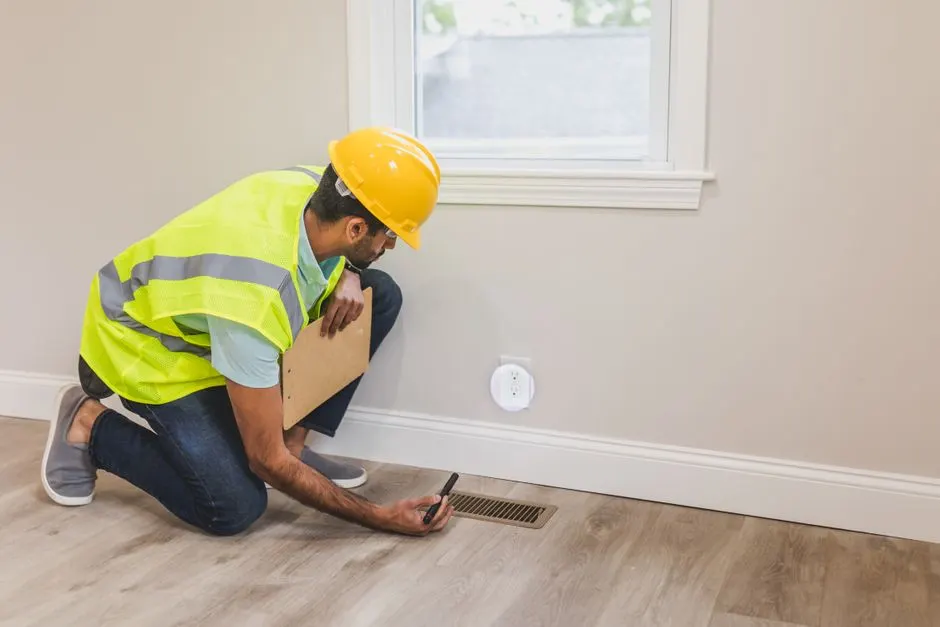
We inspect the reported area, nearby finishes, and accessible building components in The Gulch apartments, condos, and commercial suites. A visual review and moisture readings help us distinguish an active water concern from an old stain. In a high-rise, we also ask about plumbing events above or beside your unit before deciding where to check next.

View Details
Mold Testing

Mold Testing

Mold Testing in The Gulch uses targeted air or surface samples when results can answer a specific question, such as whether an odor concern corresponds with elevated airborne spores. We document sample locations and conditions, then submit applicable samples to an AIHA-accredited environmental microbiology laboratory. A result is interpreted alongside inspection observations, not in isolation.

View Details
Indoor Air Quality Testing

Indoor Air Quality Testing

For a Gulch unit or workplace with persistent indoor air concerns, we discuss the rooms, operating conditions, and recent water history before sampling. A Hygrometer helps document relative humidity, while air samples provide a snapshot for laboratory comparison. We explain that ventilation, outdoor conditions, and activity during collection can influence readings and their interpretation.

View Details
Mold Sampling

Mold Sampling

Mold Sampling in The Gulch is planned around the suspected source rather than spread across rooms without a reason. We may collect a surface swab or tape lift from visible material, or an air sample where airborne conditions are the concern. Sample labels, locations, and Chain-of-custody forms keep the documentation organized for your report.

View Details
Airborne Mold Spore Testing

Airborne Mold Spore Testing

When a musty odor persists without visible growth, we can collect indoor air samples from selected rooms and compare them with an appropriate reference sample. In apartments near SoBro or the Gulch's commercial blocks, room selection matters because HVAC operation and open doors affect air movement. We record the sampling context so results are not presented without useful limits.

View Details
Surface Mold Testing

Surface Mold Testing

Surface Mold Testing helps identify material collected from a specific stained or suspect finish in a Gulch residence or office. We use a surface swab or adhesive tape lift where appropriate, taking care to document the exact location. This can help clarify a visible concern, but it does not by itself identify the moisture source or the full extent of growth.

View Details
Bulk Mold Sampling

Bulk Mold Sampling

Bulk Mold Sampling involves collecting a small piece of affected building material when its condition needs laboratory examination. In a The Gulch condominium or commercial suite, we first consider permission, finish type, and whether sampling is necessary to answer your question. We use sterile sample bags and document where the material came from for reliable interpretation.

View Details
Mold Clearance Testing

Mold Clearance Testing

After remediation in a Gulch property, clearance testing evaluates the work area after cleaning and removal are complete. We inspect accessible surfaces and conditions, then collect samples when the project criteria call for them. The report records the observed state and findings; it does not replace the remediation contractor's completion documents or building-specific requirements.

View Details
Post-Remediation Verification

Post-Remediation Verification

Post-Remediation Verification gives Gulch property owners a documented check after mold cleanup, especially where a unit shares walls or mechanical pathways with neighboring spaces. We review the work area, moisture conditions, and visible residue, and test where appropriate. This helps identify whether additional cleaning or moisture correction should be discussed before the space returns to normal use.

View Details
Mold Assessment and Reporting

Mold Assessment and Reporting

Our assessment report for a The Gulch property organizes the complaint, inspection observations, moisture findings, and any sample results. We identify checked areas and note access limitations, so a condo owner or commercial manager can understand the scope. The report focuses on conditions observed during the visit and practical next steps, not unsupported claims about health effects.

View Details
Moisture Inspection

Moisture Inspection

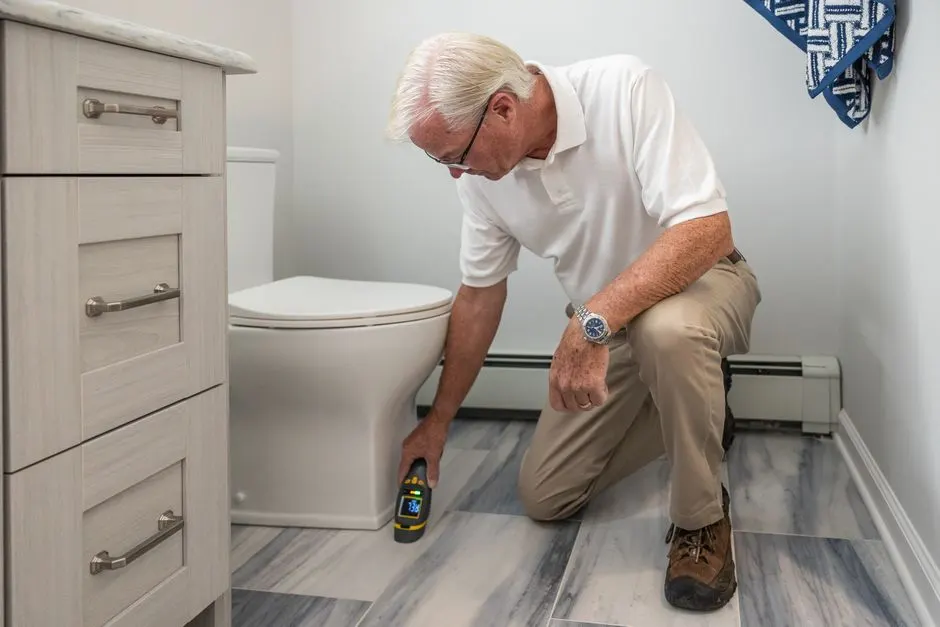
Moisture inspection is useful when a Gulch ceiling, wall, cabinet, or floor feels damp or shows a recurring stain. We use a Pin and pinless moisture meter to compare affected materials with nearby areas and record readings. That comparison helps direct further investigation without assuming every discoloration is mold or every dry surface has never been wet.

View Details
Water Intrusion and Leak Investigation

Water Intrusion and Leak Investigation

A plumbing leak, roof entry, or water event in a multi-story Gulch building can leave moisture beyond the first visible mark. We trace accessible surfaces and adjacent areas, ask about the timing of the event, and document moisture patterns. Our role is to identify conditions relevant to mold assessment; building repairs are handled by the appropriate repair professional.

View Details
Hidden Mold Investigation

Hidden Mold Investigation

If an odor or stain points toward Hidden Mold behind walls, we examine the surrounding surfaces and moisture history before recommending a limited opening or sample. A Borescope inspection camera can help view selected cavities through an existing access point. In The Gulch's shared-wall buildings, we also consider whether a neighboring unit or common system could be involved.

View Details
HVAC Mold Inspection

HVAC Mold Inspection

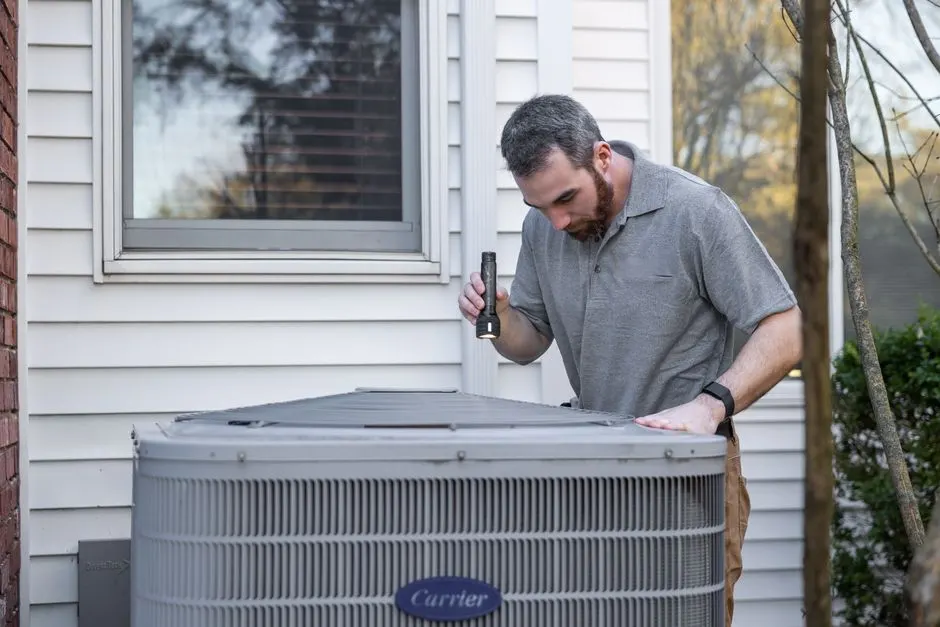
HVAC Mold Inspection in The Gulch checks accessible equipment and nearby surfaces when occupants report odor from a supply register or recurring condensation. We document visible conditions and moisture indicators without assuming that a smell proves contamination. High-rise systems can be shared or centrally managed, so we coordinate the inspection area with your property representative when access is needed.

View Details
Attic Mold Inspection

Attic Mold Inspection

For a Gulch property with accessible attic space, we look for signs consistent with condensation, roof leakage, or prior moisture exposure. The inspection considers ventilation and visible framing while keeping access and safety in view. If a condominium has no private attic access, we help identify whether the relevant area belongs to the building's common elements.

View Details
Crawl Space Mold Inspection

Crawl Space Mold Inspection

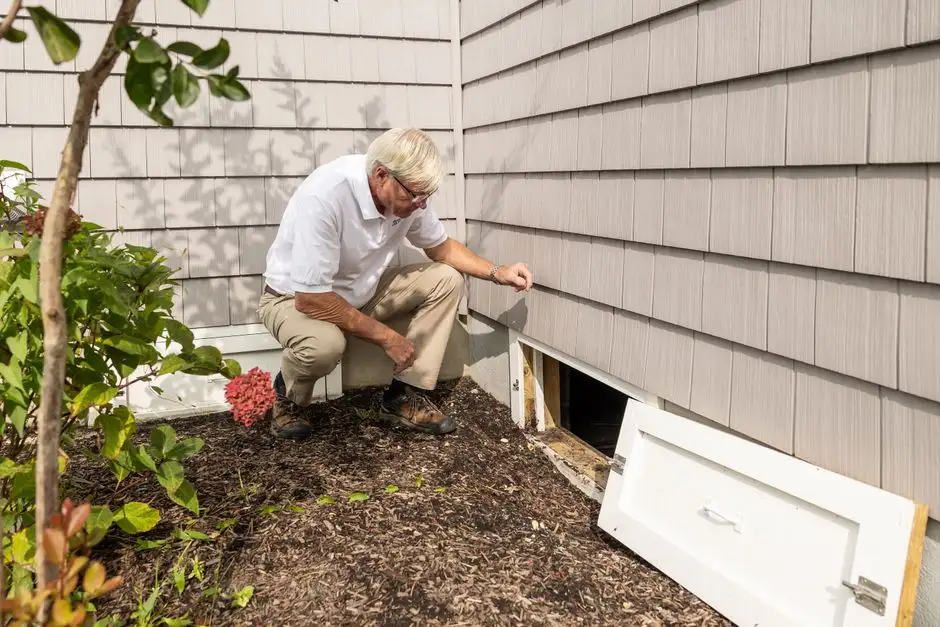
Where a property near The Gulch includes an accessible crawl space, we inspect for damp conditions, visible growth, and moisture pathways. Many urban units do not have private crawl spaces, so we confirm the property layout before scheduling that scope. Findings are documented with the location and conditions observed, rather than generalized from another part of the building.

View Details
Basement Mold Inspection

Basement Mold Inspection

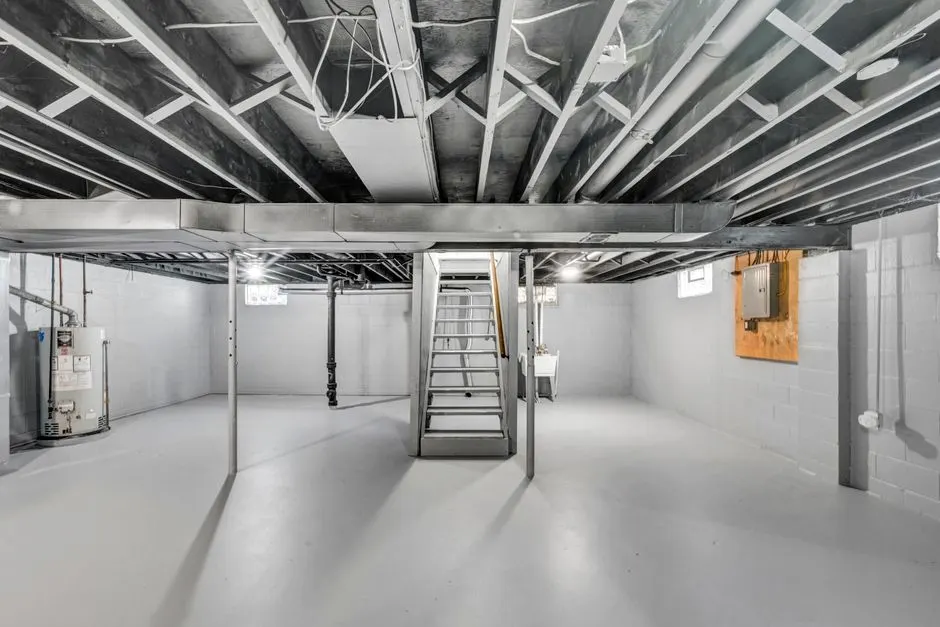
Basement Mold Inspection addresses damp odors, previous water intrusion, or visible material concerns in accessible lower-level spaces serving Gulch properties. We check around the reported area and compare moisture readings across nearby materials. If the basement is a shared building space, the report identifies the inspected area so the owner or manager can route follow-up appropriately.

View Details
Commercial Mold Inspection and Testing

Commercial Mold Inspection and Testing

Commercial Mold Inspection and Testing in The Gulch can be arranged around an office, hotel, or retail suite's affected rooms and operating needs. We focus on the reported conditions, coordinate access with the responsible contact, and record which areas were included. Sampling is selected when it helps resolve a defined question, limiting disruption to occupied spaces.

View Details
Residential Mold Inspection and Testing

Residential Mold Inspection and Testing

Our residential visits cover Gulch apartments and condominiums with visible growth, musty odors, water stains, or moisture concerns. We inspect the unit and accessible areas related to your complaint, then explain whether sampling adds useful information. For shared-wall buildings, we note where access ends and what information from management could help trace a source.

View Details
Real Estate Mold Inspection

Real Estate Mold Inspection

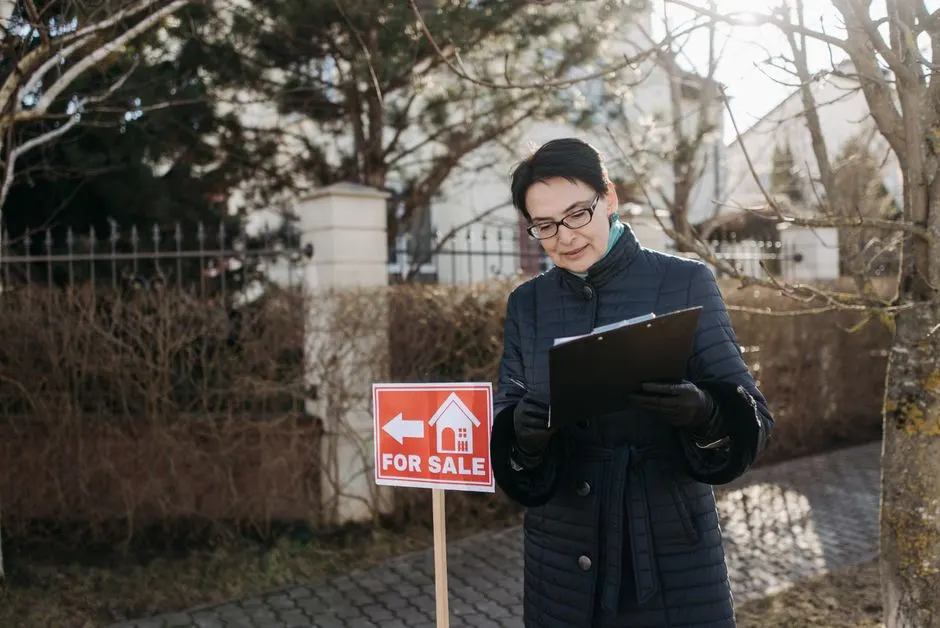
A real estate inspection helps buyers or owners evaluate a specific mold or moisture concern before a transaction in The Gulch. We focus on visible indicators, reported water history, and accessible areas relevant to the property. If the building has shared systems, we identify questions that may require records or access through the association or property manager.

View Details

Common Gulch Moisture Problems

The Gulch's predominantly dense, newer apartments, condominiums, hotels, and commercial spaces create building conditions different from a detached home. High-rise construction makes HVAC and plumbing leak investigations relevant, while shared walls and building systems can complicate moisture-source tracing. Humid summers can contribute to indoor condensation, particularly where warm air meets cooled surfaces. Our Mold Inspection and Testing process checks the reported area and accessible connected locations, then documents the evidence. We do not assume a particular problem exists because of a building's age or address; we follow the conditions found during the inspection.

Hidden moisture around plumbing chases and shared walls

A leak can travel within a wall or ceiling before it becomes visible in a Gulch unit. Shared plumbing routes and vertically stacked residences make it possible for the stain to appear away from the failed fitting, so the visible mark may not identify the source.

Condensation near windows and air-conditioning supply registers

During humid summer weather, indoor surfaces cooled by air conditioning can collect condensation if conditions support it. Repeated wetting around windows, vents, or exterior-facing walls can create a moisture issue even without a plumbing leak.

Attic mold from condensation or roof leaks in accessible spaces

Some nearby properties have roof or attic areas where ventilation, temperature differences, or roof water entry can contribute to damp framing. Access and ownership arrangements vary in multi-unit buildings, so a private inspection may not include common roof or attic areas.

HVAC odor concerns in connected high-rise building systems

An odor at a register can come from local dust, a damp component, or a building system that serves more than one area. In high-rise properties, equipment and controls may be managed centrally, limiting what a unit-level inspection can establish.

Signs You Need Mold Testing

A visible patch is not the only reason to arrange Mold Inspection and Testing in The Gulch. Persistent musty odors, recurring stains, damp materials, or an HVAC smell that returns after cleaning all deserve a closer look, especially after a leak or condensation event. If you are considering residential mold assessment near The Gulch, tell us when the symptom began, which rooms are affected, and whether the building has had recent plumbing work. That history helps us choose the right inspection path and decide whether a sample would add useful evidence.

  • Musty odor that returns after cleaning

    A recurring odor can point to damp material or a concealed source, even when the visible surfaces look clean. In a shared-wall Gulch building, the source may be outside the room where you smell it. Note when the odor is strongest and whether HVAC operation changes it; arrange an inspection if it persists.

  • Water stain reappears on ceiling or wall

    A stain that returns after drying suggests moisture may still be entering or a previous leak was not fully resolved. Do not rely on fresh paint to confirm the area is dry. Record when it reappears and report any plumbing or roof work to help focus the investigation.

  • Visible mold growth near a window or register

    Visible mold growth can indicate repeated dampness, condensation, or another moisture source. Avoid disturbing a large affected area before its condition is assessed. We inspect the surrounding materials and check moisture indicators to determine whether the growth is isolated or connected to a broader damp zone.

  • Damp cabinet or flooring after a leak

    Cabinet bases and flooring can hold moisture after a small sink or appliance leak, even when the water is no longer visible. In a condo, moisture can also affect adjacent finishes. Prompt moisture inspection helps document current conditions and identifies whether further evaluation is warranted.

  • Odor or irritation concerns after cleanup

    If an odor remains after remediation or cleaning, post-remediation contamination concerns should be evaluated against the work area and moisture status. A focused inspection can document visible conditions and determine whether clearance testing is appropriate. Sampling is not automatic; it should answer a defined question about the completed work.

Gulch Landmarks and Orientation

The Gulch's recognizable destinations help visitors orient themselves among its compact streets and commercial blocks. Biscuit Love and Station Inn are familiar reference points, while The Gulch murals help identify the surrounding district. Union Station Nashville Yards is another nearby orientation point for central Nashville. When you book, give us the building address and entrance details rather than relying on a landmark alone; high-rise properties can have separate resident, loading, and visitor access points.

Biscuit Love

Biscuit Love is a recognizable Gulch dining destination and can help orient visitors to the neighborhood. Use the exact property address and building entrance for an inspection appointment, since the restaurant itself is not a substitute for a unit or suite location.

Station Inn

Station Inn is a well-known music venue in The Gulch and a useful nearby reference when identifying the general district. For service access, we still need your building's street address, unit number, and any visitor instructions.

The Gulch murals

The Gulch murals are visible public art features that help distinguish the neighborhood while navigating nearby streets. They provide general orientation only; a building's designated entrance and loading or parking instructions are more useful for reaching your appointment.

Coverage across The Gulch & Davidson County

370273713837076370723720337206372013708037218372193721637217372143721537212372133721037211371893723237238372093720837205

Plus surrounding Davidson County neighborhoods, with same-day routing on most appointments.

Feedback from Gulch Customers

Averaging 4.9 / 5 across verified reviews.

“We had a persistent odor in our condo and could not tell whether the source was the wall or the HVAC. The inspector checked moisture around the area, explained why one sample was useful, and showed us exactly where it was collected. The report was easy to share with our building manager and gave us a practical next step.”

M

Maya R.

The Gulch

“A stain appeared on the ceiling after work in the unit above. The inspection covered the stain and nearby materials rather than stopping at the visible mark. We appreciated the clear explanation of what could be confirmed during the visit and what needed building access. It helped us get the right people involved without guessing.”

J

James T.

SoBro

“We booked a check after a small leak under the kitchen sink. The technician measured the cabinet area, checked adjacent finishes, and explained the testing options in plain language. We received a useful record for our property file and knew what to watch for if the damp smell returned.”

E

Elena P.

Rolling Mill Hill

Seasonal Mold Concerns in The Gulch

As November moves into winter, Gulch residents often spend more time with windows closed and heating systems running, making recurring odors or condensation easier to notice. Winter is also a useful time to document cold-surface moisture and past leak areas. Spring rain and summer humidity bring different inspection questions, especially around exterior walls, windows, and cooled HVAC surfaces. If you need airborne mold testing near me in The Gulch, describe the room conditions and whether the system was operating; those details help us interpret a sample. Seasonal conditions are context, not proof of mold.

Spring

Spring rain can reveal roof or window leakage that was less apparent during drier periods. In Gulch apartments and offices, new ceiling marks or damp window edges should be recorded promptly. A moisture inspection can determine whether materials remain wet after a reported intrusion.

Tip: Photograph the affected area and note the date of rainfall or leak discovery. Keep the area accessible for inspection, and contact building management promptly if the source may involve a shared roof or exterior wall.

Summer

Humid summer air and cooled interior surfaces can contribute to condensation around windows, supply registers, or exterior walls. Odors may become more noticeable when HVAC equipment cycles. Check whether dampness follows system operation and whether it returns after wiping the surface.

Tip: Record room humidity if you have a Hygrometer and note the time condensation appears. Avoid covering a wet area with furniture or storing items tightly against the wall before the source is assessed.

Fall

As outdoor temperatures shift, Gulch properties may show condensation or odors in areas that were less noticeable during summer. Before heating season, check around windows, plumbing cabinets, and previously repaired stains. A new odor after a summer leak deserves attention even if the finish looks dry.

Tip: Keep repair records and photographs from the summer water event. If the same area has been wet more than once, tell us the timeline so the inspection can compare the current condition with the earlier problem.

Winter

Closed windows and regular heating can make a musty odor more apparent in a condo or office. Cold surfaces may also reveal recurring condensation. In November and winter, inspect around windows, exterior walls, and plumbing fixtures after a temperature change or leak.

Tip: Keep indoor humidity and ventilation in mind, and report active leaks immediately to the responsible repair contact. If an odor persists or a stain returns, arrange an inspection before repainting or sealing the area.

Nearby Nashville Service Areas

The Gulch is part of our wider Nashville service area, allowing us to serve nearby residential and commercial properties through the same inspection process. We cover central neighborhoods and connect calls across Nashville, Tennessee, based on the property address and concern. Service locations include 37203 and other Nashville ZIP codes such as 37206 and 37027. Tell us whether your property is a home, condominium, office, or hospitality space so we can plan an appropriate visit.

Mold Inspection and Testing in The Gulch FAQs

Real answers from our team for the questions we hear most often before a job starts.

How much does Mold Inspection and Testing cost in The Gulch?
A focused inspection commonly costs $180-$450, while an inspection with targeted laboratory sampling often costs $300-$700 in 2026. Final cost depends on rooms, sample count, access, and whether the property is residential or commercial. We explain the price before proceeding. A straightforward visit often takes 1.5-3 hours, and laboratory results commonly take 2-5 business days after samples arrive. The report connects results to the areas inspected.
Where can I find mold testing near me in The Gulch?
Nashville Mold Testing serves The Gulch and nearby central Nashville properties in ZIP code 37203. Call +18668968166 to discuss your address, building type, and concern. If you are searching for Mold Inspection and Testing near me in The Gulch TN, tell us whether you have a visible stain, persistent odor, recent leak, or post-cleanup question so we can identify the right service.
How quickly can a mold inspector visit The Gulch?
Same-day appointments may be available for The Gulch, and you can request one by calling +18668968166. The visit plan depends on the property address, access rules, and the concern you describe. Give us the building entrance, unit or suite, and any management contact so we can coordinate entry. If water is actively leaking, contact an emergency repair provider first to stop the source.
What does a mold assessment include in The Gulch?
A mold assessment includes a review of your concern, visual inspection of accessible areas, moisture checks, and a written record of findings; sampling is added when it answers a defined question. We consider adjacent surfaces and shared building pathways where access allows. For commercial mold inspection The Gulch TN, we also record which suite or work area was inspected and any access limitations.
When should a property in The Gulch be tested for mold?
Arrange an inspection when you find visible growth, a recurring musty odor, a stain that returns, damp materials after a leak, or odor concerns after cleanup. Testing is useful when a sample can answer a specific question about a surface or indoor air. A residential mold assessment near The Gulch should include the reported area and relevant moisture history, not just a sample taken without context.

Book Mold Inspection and Testing in The Gulch

If a stain keeps returning, an odor will not clear, or a recent leak has left damp materials, call Nashville Mold Testing at +18668968166. We inspect The Gulch apartments, condominiums, and commercial properties, document the moisture conditions, and recommend testing when it answers a clear question. Our team works with an AIHA-accredited environmental microbiology laboratory for applicable sample analysis. Tell us your building address and concern to arrange the next step.

Call Us Today Send a Message

Contact Nashville Mold Testing

Tell us what you have noticed, where it is happening, and whether a leak or cleanup has already occurred. Call +1 866-896-8166 during regular business hours, Monday through Friday, 8 a.m. to 6 p.m. Central Time. We will discuss the concern, explain the inspection options, and help you take the next practical step.

Or call us right now at +18668968166 — we answer.

Nashville Mold Testing


  • Phone

    +18668968166
  • Address

    Nashville, Tennessee

  • Hours

    Mon–Fri: 7AM – 7PM
    Sat: 8AM – 4PM
    Sun: Emergency Only
    24/7 Emergency Available

Call +18668968166 Get Quote
Call Quote