Shelby Park
Shelby Park is a recognizable East Nashville reference point near the Cumberland River. It can help orient directions to nearby residential streets, but the inspection route still depends on your property's exact address and entrance.

Mold Inspection and Testing in East Nashville is a property assessment that checks for visible growth, moisture conditions, and indoor mold evidence when odors, leaks, or water damage raise concern. East Nashville's large inventory of older homes, bungalows, and renovated properties calls for careful inspection rather than assumptions based on a single stain. Our team serves Lockeland Springs, Eastwood, Inglewood, Rosebank, and Shelby Hills, including addresses in ZIP codes 37206 and 37216. We look at the building's history, affected materials, and ventilation before recommending samples.
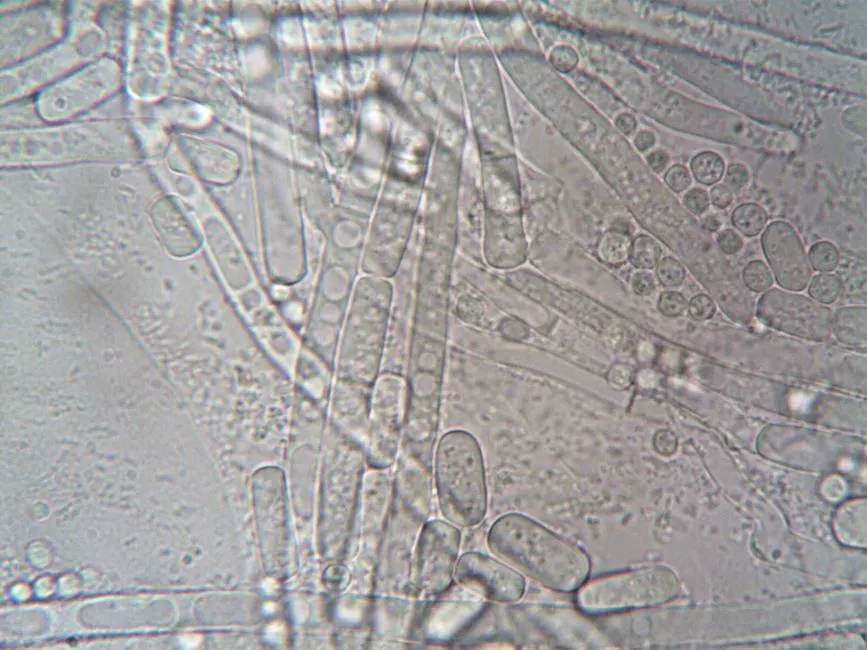
For Mold Inspection and Testing East Nashville TN, we trace the condition with a Pin and pinless moisture meter and, when access allows, an Infrared thermal imaging camera. We document where readings change and whether a musty odor lines up with a leak, condensation, or another source. If testing is useful, we collect air or surface samples suited to the question and explain what the results can and cannot establish.
Our written findings organize observations, sample locations, and practical next steps for homeowners, buyers, property managers, and business owners. We do not treat a laboratory result as a substitute for finding moisture. You get a focused assessment of the East Nashville property and a clearer basis for repair or follow-up.
East Nashville properties bring a wide range of inspection questions, from suspected growth behind a bathroom wall to damp crawl spaces after heavy rain. We tailor the visit to your concern and the building, then identify whether sampling adds useful evidence. If you are searching for a mold testing company serving East Nashville, Nashville, we can assess homes, rental units, and commercial spaces across ZIP codes 37206 and 37216. Testing is not automatic: we explain the reason for each sample and connect findings to the visible conditions and moisture readings.
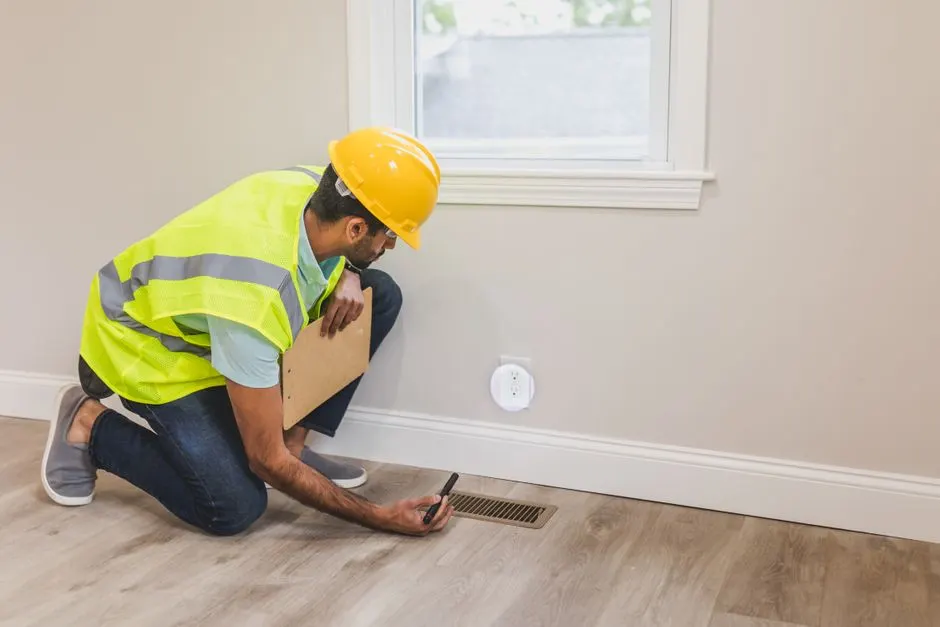

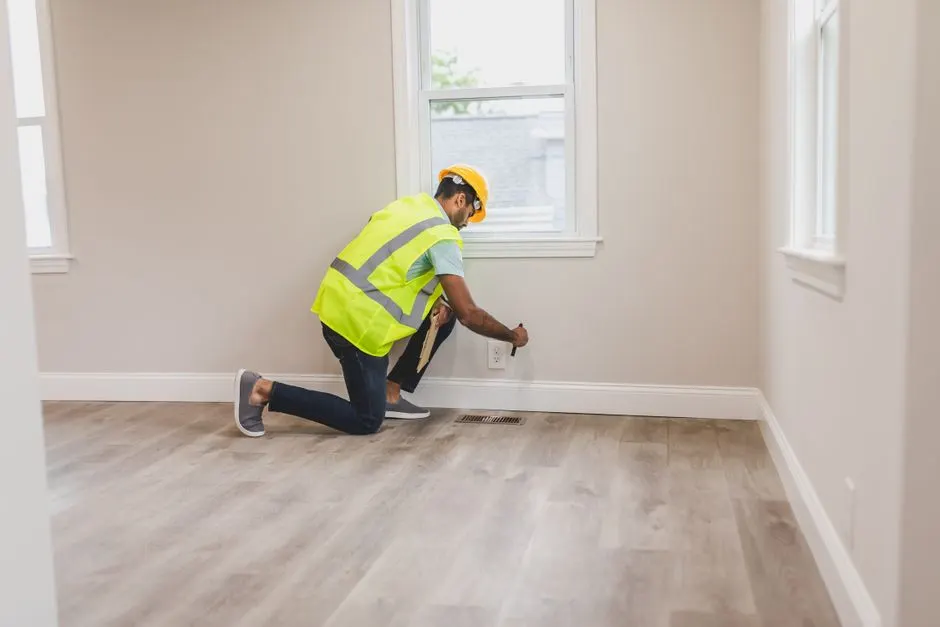
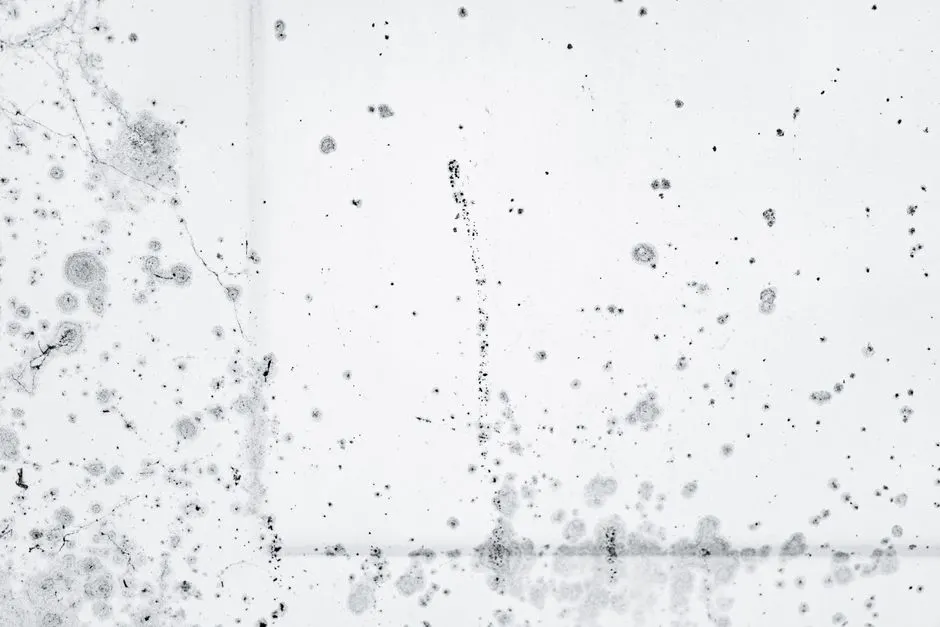

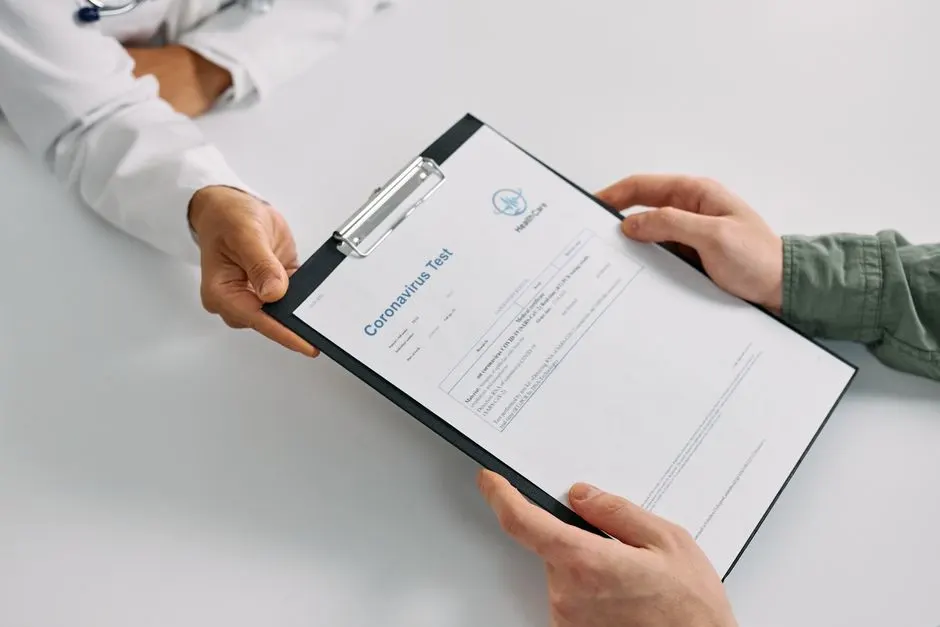
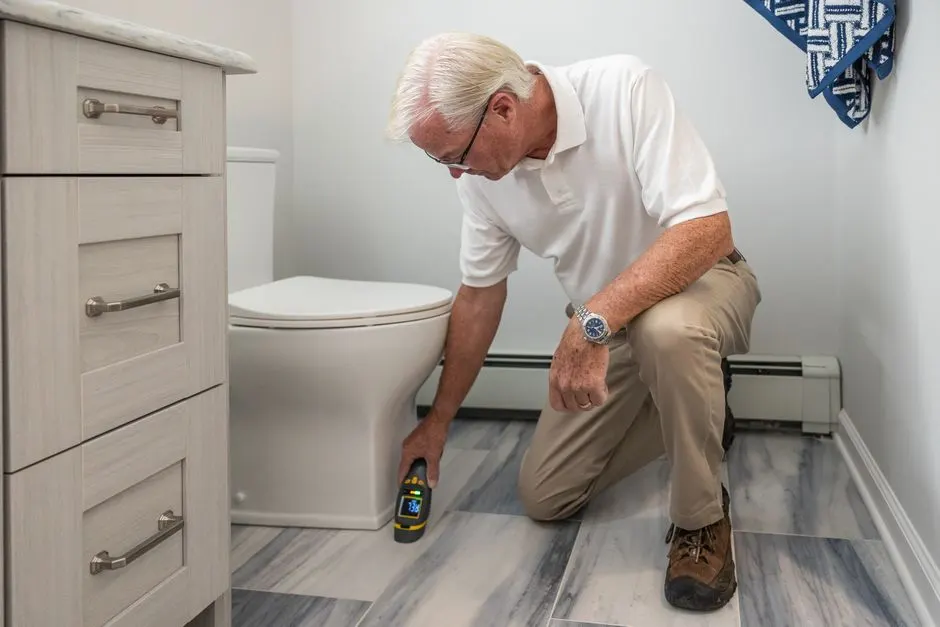
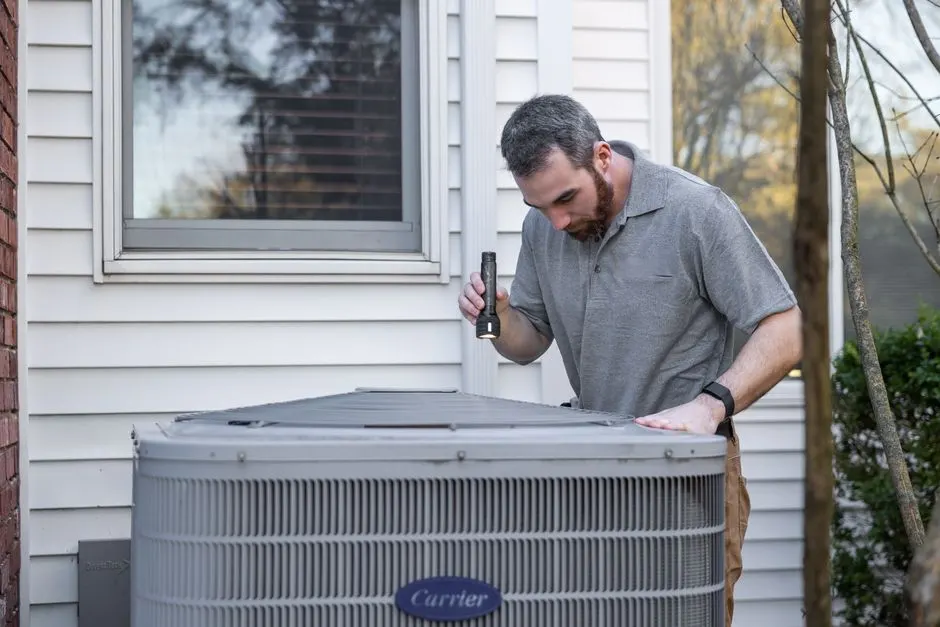

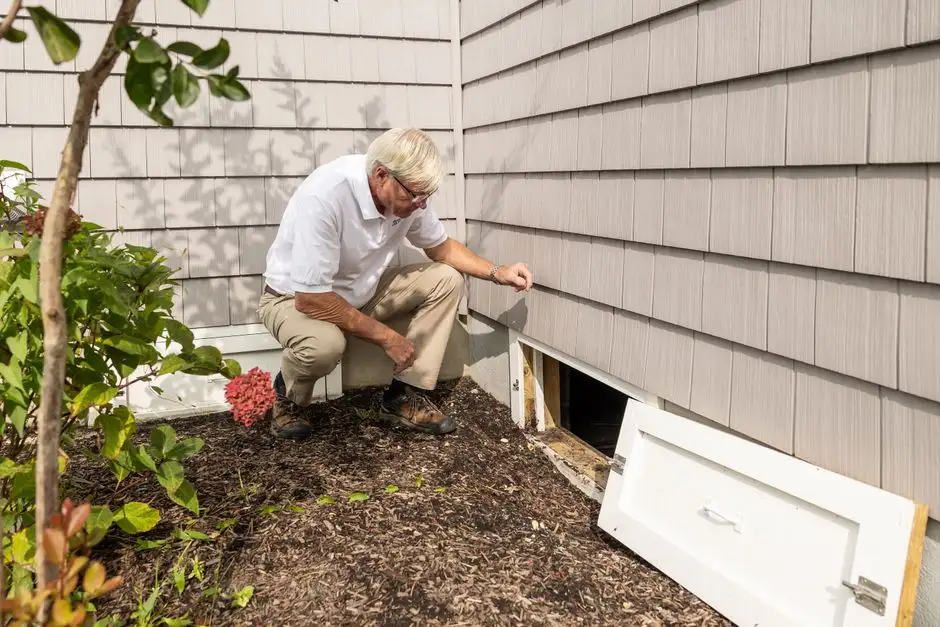
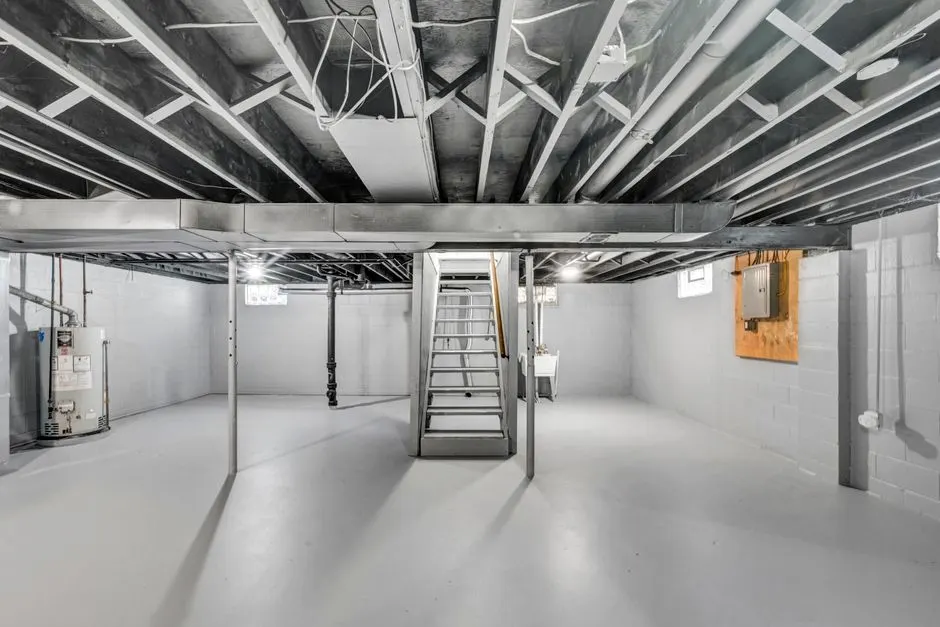



East Nashville's large inventory of older homes, bungalows, and renovated properties means plumbing routes, roof assemblies, and crawl-space conditions vary from block to block. Humid summers and intense rain events can contribute to leaks and dampness, while mature trees and sloped lots can influence drainage around foundations. These factors do not mean a property has mold; they shape where we look when you report an odor, stain, or water history. East Nashville Mold Inspection and Testing connects the visible concern with moisture evidence and targeted testing when needed.
Roof leaks may wet sheathing or insulation before a stain appears on a ceiling. Temperature and ventilation differences can also contribute to condensation in attic spaces. After intense rain, a small entry point may leave localized damage that is missed by checking only the interior room.
Water can enter a crawl space through plumbing leaks, poor drainage, or moisture moving through exposed ground. Sloped lots and downspout discharge can affect where water collects, while older plumbing connections add another possible source. Conditions should be confirmed on the property, not presumed from the neighborhood.
A slow fixture or supply-line leak may wet the back of a wall or cabinet before it becomes visible. Renovations can make the original plumbing route difficult to trace, and a repair may stop the leak without drying every affected material.
Below-grade areas can retain moisture after water enters through a wall, floor joint, or plumbing failure. Stored items and finishes may slow drying, leaving a persistent odor after standing water is gone. The source and timing need to be checked before any conclusion is made.
Call for an inspection when an odor keeps returning, a stain grows after rain, or a leak has left building materials damp. In East Nashville, older plumbing, crawl spaces, roof transitions, and humid periods can make the source less obvious than the room where you notice the problem. If you are searching for residential mold assessment near East Nashville, tell us when the issue began, what has been repaired, and which areas smell or feel damp. Those details help us focus the visit and decide whether sampling is warranted.
Musty odor returns after rain
A recurring odor can point to damp materials, a roof or foundation entry point, or a concealed source that was not dried fully. Note which room is affected and whether the smell changes after rainfall. We inspect the surrounding surfaces and likely moisture paths instead of treating odor alone as proof of mold.
Ceiling stain spreads near a roofline
A stain that expands or darkens after rain suggests moisture may still be entering or trapped above the ceiling. Attic inspection can help locate related wet sheathing or framing. Arrange prompt inspection if the area is soft, actively dripping, or close to electrical fixtures.
Crawl-space framing stays damp
Persistent dampness beneath a home can affect framing and may contribute to musty smells indoors. Check for standing water, plumbing drips, or wet ground cover without entering an unsafe space. We document accessible conditions and moisture readings to help identify what needs attention.
Growth appears again after cleaning
Visible mold growth that returns after surface cleaning often means the material remains damp or the moisture source was not corrected. Repeated cleaning can hide the pattern without resolving it. Inspection can determine whether the affected material is wet and whether further sampling will answer a useful question.
Odor comes on when HVAC runs
A musty smell that appears with the HVAC system may relate to condensate, a dirty component, or another damp area drawn into airflow. Turn off equipment if there is visible water near electrical parts, and arrange an inspection of accessible system areas alongside nearby rooms.
We use recognizable East Nashville destinations to orient the route, then navigate to your exact property address rather than treating a landmark as the service location. Five Points helps identify the central neighborhood area, while Shelby Park is a useful reference for nearby streets. For appointments, please share the street address and any parking instructions; a landmark alone is not enough to locate a home, business entrance, or rear access point.
Shelby Park is a recognizable East Nashville reference point near the Cumberland River. It can help orient directions to nearby residential streets, but the inspection route still depends on your property's exact address and entrance.
Five Points is a well-known East Nashville neighborhood intersection and commercial area used for general orientation. Providing your street address and unit details lets us distinguish a nearby residential property from a business frontage.
The Margaret Maddox Family YMCA is a recognizable local destination that can help clarify directions in East Nashville. We use it only as a navigation reference and confirm the service address before setting the inspection route.
Plus surrounding Davidson County neighborhoods, with same-day routing on most appointments.
Averaging 4.9 / 5 across verified reviews.
“We had a musty smell in our Lockeland Springs bungalow and could not tell whether it came from the attic or the bathroom wall. The inspector checked both areas, explained the moisture readings, and showed us where a sample was collected. The report was straightforward and gave us a clear next step for the roof repair.”
Megan R.
Lockeland Springs
“After a plumbing leak in our Eastwood house, I wanted more than a quick look at the stained drywall. The team checked around the bathroom, noted the damp readings, and explained why one targeted sample made sense. I appreciated having the locations and findings recorded in the report.”
James T.
Eastwood
“We needed a post-remediation check for a rental in Shelby Hills. The inspection covered the agreed rooms, checked that surfaces were dry, and documented each sample location. The report made it easier to review the work with our contractor and decide what to do before the tenant returned.”
Nora B.
Shelby Hills
As November gives way to winter, East Nashville property owners should watch for roof leaks, plumbing failures, and condensation around cold surfaces. Spring brings intense rain and drainage checks; summer humidity can slow drying in crawl spaces and enclosed rooms; fall is a useful time to inspect roof and attic conditions before colder weather. If you need airborne mold testing near me in East Nashville, we first consider the weather, building conditions, and reason for testing. Sampling conditions are recorded so results have useful context.
Spring rain can expose roof leaks, overflowing gutters, and drainage problems around foundations. Water entering a crawl space or basement may leave damp materials even after the weather clears. Check for new stains after storms and note whether a musty odor is limited to one room.
Tip: After a leak, stop the water source and begin drying promptly. Record when the water entered and which materials were affected; that timeline helps us focus the inspection and interpret moisture readings.
Humid summer air can make damp crawl spaces and poorly ventilated rooms harder to dry. Air-conditioning condensate and cold surfaces can also contribute to localized moisture. A musty odor that grows stronger in warm weather deserves a check for both indoor moisture and the source.
Tip: Keep condensate drains clear and use ventilation or dehumidification where appropriate. If a room remains damp, note indoor temperature and humidity before the visit rather than relying on smell alone.
Fall is a practical time to check attic conditions, roof penetrations, and areas affected by summer humidity before winter weather arrives. Leaves and storm debris can affect drainage, while prior moisture may remain hidden behind finishes or stored items.
Tip: Look for roofline stains and clear access to the attic hatch if safe. Arrange an inspection for persistent odors or visible growth before covering or repainting affected materials.
Cold weather can reveal condensation on windows, exterior walls, and poorly insulated surfaces. Freezing conditions can also threaten exposed plumbing, while a small leak indoors may remain unnoticed behind a cabinet or in a crawl space.
Tip: Watch for repeated condensation and new plumbing stains. If a pipe leaks, stop the water if safe, dry accessible surfaces, and call for inspection once the immediate source is controlled.
East Nashville is part of our broader Nashville service region, so customers can arrange inspections across nearby districts without changing the assessment process. We coordinate the visit around the property address, access needs, and the specific concern, whether it is a residence or a commercial space. Our coverage also includes surrounding Nashville areas such as Downtown Nashville, The Gulch, SoBro, Midtown, Music Row, and West End. ZIP codes 37203 and 37027 are among the wider service-area references, alongside East Nashville addresses.
(City)
Downtown Nashville lies across the river from East Nashville, with access depending on the exact address and traffic conditions.
View Downtown Nashville(City)
The Gulch is southwest of East Nashville within the wider Nashville service area; appointments are planned by property address.
View The Gulch(City)
SoBro sits south of Downtown Nashville and is a nearby district within our broader inspection coverage.
View SoBro(City)
Midtown is west of East Nashville across central Nashville, with routes shaped by the visit address and road conditions.
View Midtown(City)
Music Row is part of the connected Nashville service region, west of East Nashville and reachable by central city routes.
View Music Row(City)
West End extends the service area westward from East Nashville across Nashville's central districts.
View West EndReal answers from our team for the questions we hear most often before a job starts.
If a leak, musty odor, or visible growth is disrupting your East Nashville home or business, call Nashville Mold Testing at +18668968166. We inspect the affected areas, record moisture conditions, and explain whether sampling is useful. Our team serves East Nashville and surrounding Davidson County communities, including properties in 37206 and 37216. Call now to discuss the concern and arrange an inspection.
Tell us what you have noticed, where it is happening, and whether a leak or cleanup has already occurred. Call +1 866-896-8166 during regular business hours, Monday through Friday, 8 a.m. to 6 p.m. Central Time. We will discuss the concern, explain the inspection options, and help you take the next practical step.
Phone
+18668968166Address
Nashville, Tennessee
Hours
Mon–Fri: 7AM – 7PM
Sat: 8AM – 4PM
Sun: Emergency Only
24/7 Emergency Available