Logo
Get Estimate

Moisture Inspection Nashville TN: Find Hidden Dampness

Pinpoint moisture sources before damage spreads through your property.


Moisture Inspection Nashville TN helps homeowners, buyers, landlords, and facility managers locate active leaks, trapped dampness, and conditions that can support mold growth. Our Nashville moisture inspection follows visible water clues with targeted meter readings and thermal checks, so you know where moisture is present and what to address next. Call us after a leak, during a property purchase, or when musty odors keep returning.

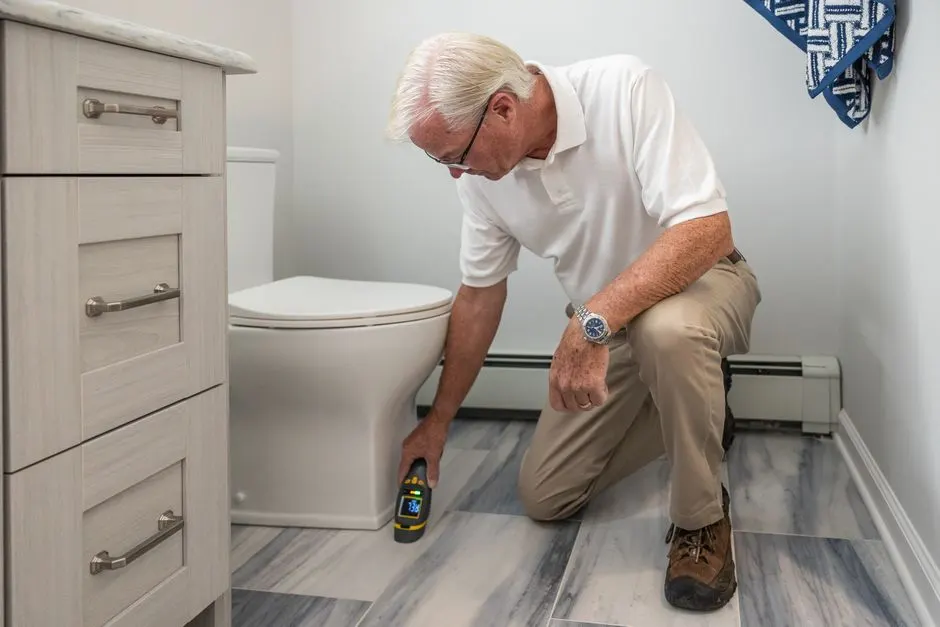
A senior man using a device to inspect a bathroom for maintenance or repair.
Licensed Licensed & Bonded
Fully Insured Insured & Bonded
24/7 Emergency Same-Day Response
Warranty Backed Workmanship Guaranteed in Nashville

What's Included In A Moisture Inspection

Your inspection covers a visual review of the reported area, targeted material readings, checks of accessible likely sources, and a clear explanation of findings. We document locations and relevant access limits. Laboratory sampling, destructive opening, repairs, and water removal are separate work; we recommend them only when the inspection findings and your question support the next step.

Visual Condition Review

We examine the affected surfaces and nearby rooms for staining, swelling, peeling finishes, condensation, and other water clues. You can point out when the condition began and whether it changes after rain or appliance use. Those details help shape where we take measurements.

Targeted Moisture Readings

We use a pin or pinless moisture meter to check suspect materials and compare them with nearby reference points. The recorded locations make results easier to interpret. Readings indicate moisture conditions in the material; they do not identify mold or reveal every concealed defect.

Likely Source Checks

We check accessible areas tied to the reported pattern, such as plumbing connections, attic spaces, HVAC condensate routes, exterior-facing walls, or basement edges. The inspection follows evidence and access. We explain when a licensed repair trade or further investigation is needed.

Findings And Next Steps

We summarize measured and observed conditions and identify areas that merit repair, drying, or further evaluation. You receive practical guidance you can share with a contractor. If the concern includes visible mold growth, we explain how a separate mold inspection or sampling service differs.

Moisture Inspection Nashville TN Explained


Moisture Inspection Nashville TN is a building assessment that locates excess moisture, traces likely water entry, and identifies damp materials that need attention. We inspect accessible rooms, ceilings, plumbing-adjacent surfaces, attic or crawl space areas when relevant, and exterior-facing walls. A pin and pinless moisture meter helps compare readings across drywall, wood, and other materials; an infrared thermal imaging camera highlights temperature patterns that warrant closer measurement. We document observations and explain which findings indicate active moisture, old staining, or a condition that needs follow-up.

Nashville's humid summers, heavy rain, and sharp weather changes can expose roof leaks, condensation, plumbing failures, and water intrusion around foundations. Older homes and renovated buildings often combine materials that dry at different rates, so a surface can look dry while the wall cavity remains damp. If you need a home moisture assessment after a leak in Nashville, we trace the affected area and check nearby materials rather than relying on a visual glance. Davidson County properties benefit from early investigation before stains, odors, or deterioration expand.

What Happens During Inspection

Moisture Inspection Nashville TN follows a repeatable field process, from your first description of the problem to a clear explanation of findings. We start with the reported event and inspect the areas most likely to connect to it. A standard visit often takes two to four hours, with larger or multi-level properties requiring more time.

01

Schedule

Call or book online — a real human picks up and confirms a 2-hour arrival window.

02

Diagnose

Licensed tech inspects on-site, then walks you through the cause and your options.

03

Fix

The job is completed to code and done right the first time — no shortcuts, no surprises.

04

Guarantee

Every job backed by a written workmanship warranty — and we stand behind it.

Tools And Inspection Methods

Tools & Equipment

Pin and pinless moisture meter

We use pin and pinless modes to compare moisture in accessible building materials. Pin readings contact a material; pinless readings scan without puncturing the surface. Results are interpreted alongside material type and nearby reference readings.

Infrared thermal imaging camera

A thermal camera identifies temperature patterns that can help target follow-up checks. It does not measure moisture directly, so we verify suspicious areas with a moisture meter and visual inspection before drawing conclusions.

Bacharach hygrometer

A hygrometer records relative humidity and temperature conditions during the visit. Those readings add context when condensation is reported, particularly around windows, HVAC equipment, or rooms with recurring damp air.

Borescope inspection camera

Where a limited cavity view is appropriate, a borescope inspection camera can examine an accessible concealed space through a small opening. We explain what can and cannot be seen before using this method.

Methods & Standards

Comparative material mapping

We take readings at suspect locations and compare them with nearby areas made from similar materials. This creates a useful pattern rather than relying on one isolated number. We record the material and location because different substrates can produce different meter responses.

Source-path investigation

We follow the evidence from the wet area toward plausible sources, considering gravity, building layout, plumbing routes, weather exposure, and HVAC drainage. The route matters: water can travel along framing before appearing on a ceiling. We report likely pathways as observations, not certainty beyond what access supports.

Moisture and microbial assessment boundaries

Moisture inspection identifies dampness and conditions that may support growth; it does not by itself establish mold type or airborne concentration. When sampling is warranted, collection and analysis are separate steps. We explain how EPA mold guidance and ASTM D7338 relate to assessing fungal growth in buildings.

When To Request An Inspection

01

A storm leaves a new ceiling stain in your East Nashville home, but the roof leak is hard to trace.

What we do: We inspect the affected ceiling, compare moisture readings around the stain, and check accessible attic areas for related water clues. Our notes help separate an active wet area from older discoloration and give your roofer a focused location to investigate.

→ You know which materials are damp, where the water pattern leads, and whether drying should happen alongside roof repair.

02

You are buying a renovated property near Downtown Nashville and notice an unexplained odor beside a finished wall.

What we do: We examine the odor area, nearby plumbing, and accessible adjacent spaces, then take comparative readings across the wall and floor edge. If the pattern suggests a concealed cavity, we explain what limited follow-up access could reveal before any opening is considered.

→ You receive a documented moisture picture that helps you ask focused questions before deciding on repairs or additional testing.

03

A small commercial suite in The Gulch has damp carpet after an overnight supply-line leak.

What we do: We map the affected flooring and wall edges by area, check nearby materials, and record where readings remain elevated. The findings help your facilities contact or drying contractor prioritize work instead of treating every room as equally affected.

→ Your team gets a practical list of affected locations and a clearer basis for coordinating drying and repair.

04

A crawl space near Green Hills smells musty after a wet season, with no obvious standing water.

What we do: We inspect accessible framing and surfaces for dampness, staining, and visible growth, then compare readings in representative areas. We note access limitations and likely moisture pathways so you can determine whether drainage, plumbing, or a separate mold evaluation should come next.

→ You learn whether the concern is localized or widespread and what further work is justified by the observed conditions.

How Nashville Moisture Inspections Work

Moisture inspection in Nashville needs to account for humid summers, intense rain, and winter temperature swings that can drive condensation on cold surfaces. We check whether a reported issue follows storms, plumbing use, HVAC operation, or seasonal changes because timing helps narrow likely sources. In older Davidson County homes, additions and renovated finishes can conceal transitions where water collects; in newer construction, roof details, window openings, and condensate drainage still deserve close attention. For moisture detection inspection Nashville TN property owners request after a leak, we map affected materials and accessible adjacent areas rather than assuming the visible stain marks the full extent. Commercial buildings near Downtown Nashville often need findings organized by suite or floor so facilities staff can coordinate repairs. We use measured observations, explain access limits, and distinguish moisture findings from mold testing. Your next step may be a repair, drying, or a separate evaluation, based on what we actually find.

Neighborhoods We Serve

  • East Nashville

    Older homes and later additions can create roofline and wall transitions where a leak travels before showing indoors. We compare the stain area with nearby materials and accessible attic clues.

  • The Gulch

    Condos and mixed-use buildings can place plumbing, HVAC equipment, and occupied spaces close together. We document affected rooms or suites so findings are easier to route to building management.

  • Green Hills

    Large homes may have multiple roof sections, finished basements, or crawl spaces. We focus readings on the reported area and check accessible adjoining spaces for a connected moisture pattern.

  • Downtown Nashville

    Commercial interiors often have layered finishes and shared building systems. We record where moisture appears by area and flag access limitations that could affect a complete source investigation.

Local Conditions We Plan For

  • Humid summer air and repeated air-conditioning cycles

    Cold supply surfaces, windows, or poorly drained HVAC components can collect condensation when warm humid air meets cooler materials. We note temperature and humidity context and measure the affected building surfaces rather than assuming every damp mark is a plumbing leak.

  • Heavy rainfall followed by water marks at exterior walls

    Roof edges, window openings, and foundation transitions can admit water during prolonged or intense rain. We compare readings around the reported location and look for a pattern that helps distinguish a localized entry point from moisture spreading through adjacent materials.

  • Older construction with renovated wall and floor finishes

    New finishes can cover older staining or change how a material responds to meter readings. We identify the accessible substrate where possible, use comparison points, and explain when concealed conditions require a separate, limited access check.

Tracing A Returning Ceiling Stain

Before

A Nashville homeowner had patched a ceiling stain twice, but it reappeared after heavy rain. The surface looked mostly dry during the day, leaving uncertainty about whether the roof repair had worked. No one had compared the stain with nearby ceiling materials or checked the accessible attic area.

After

Our inspection found a concentrated moisture pattern near one ceiling section and lower readings farther into the room. The attic check showed related dampness near the roofline. We documented the locations and explained that the pattern warranted a targeted roof follow-up, not another coat of paint.

Maintenance: After the roof repair, monitor the marked ceiling area after the next significant rain. If the stain changes or readings remain elevated, arrange a recheck and address drying before repainting.

Before

A small leak beneath a kitchen sink had stopped, but the cabinet base and adjacent flooring still felt cool and smelled damp. The owner could not tell whether water had reached the wall or remained limited to the cabinet. A visible drip had not shown the full wet area.

After

We compared readings at the cabinet base, wall edge, and nearby flooring, identifying three affected locations and one dry reference area. The findings gave the drying contractor a defined work zone and helped the owner avoid treating the whole kitchen as equally wet.

Maintenance: Keep the cabinet open while the affected materials dry, and check the supply connection for renewed leakage. Recheck the same marked locations before replacing swollen materials or closing the wall.

Before

A basement in Davidson County had a musty odor after a rainy stretch, but no standing water or obvious pipe failure. The family had moved stored boxes away from one wall without knowing whether dampness extended behind the shelving or along the floor edge.

After

The inspection identified elevated readings at a limited section of the wall and floor junction, with lower readings across the opposite side. We documented the pattern and recommended a focused review of exterior water management and the affected materials rather than assuming the entire basement was wet.

Maintenance: Keep the wall edge accessible and watch for new staining after rain. Address any drainage or seepage source, then recheck the same points to confirm that readings trend toward the dry comparison area.

Solve Hidden Moisture Problems In Nashville

A leak that appears minor can travel behind finishes, beneath flooring, or into insulation before the visible damage grows. Our inspection helps you understand the extent of dampness and the likely path of water. The goal is a focused next move, not an unsupported diagnosis.

Problem

A ceiling stain returns after each strong Nashville rain.

Repeated wetting can damage drywall, insulation, and framing, while a surface patch hides the active entry point and delays proper repair.

Our Fix

We compare readings around the stain and check accessible attic or roofline areas for related clues. Our report identifies the affected locations and whether the pattern is consistent with continuing moisture. You can then direct roof repairs toward the likely entry area and arrange drying if materials remain damp.

Problem

A musty basement odor persists after visible water is removed.

Damp wall edges, stored materials, or a concealed plumbing issue can keep the smell returning and contribute to further material deterioration.

Our Fix

We inspect accessible basement surfaces, floor edges, and nearby plumbing, using comparative readings to locate damp materials. If the source appears tied to seepage or drainage, we explain that finding separately from any mold concern. You get specific areas to address and a basis for follow-up.

Problem

A repaired pipe leak left flooring and wall materials damp.

Moisture trapped behind trim or under flooring can persist after the visible drip stops, extending drying time and raising the chance of material damage.

Our Fix

We map readings across the repair area and adjacent materials, then record which locations remain elevated compared with dry reference points. Your restoration contractor can use those locations to plan drying and decide whether additional access is needed. We can return for a moisture recheck when requested.

Problem

Condensation keeps appearing on windows and nearby drywall.

Recurring condensation can wet finishes and conceal a ventilation or temperature issue, especially during cool weather after humid indoor air contacts cold surfaces.

Our Fix

We check the affected materials and surrounding conditions, noting where condensation is visible and whether the wall shows a broader moisture pattern. A hygrometer can help document relative humidity during the visit. We explain what the measurements show and when ventilation or HVAC follow-up makes sense.

Clear Findings, Practical Next Steps

Clear Findings, Practical Next Steps

A useful inspection tells you where moisture is, what could be feeding it, and which areas deserve repair or further evaluation. We connect instrument readings to visible conditions, then explain the findings in plain language. You leave with a practical sequence: stop the water source, dry affected materials, and consider mold testing only when the evidence calls for it.

  • Locate Hidden Dampness

    We compare readings across affected and unaffected materials to find moisture beyond the visible stain. A Nashville moisture inspection can help narrow a suspected leak to a ceiling bay, wall section, or floor edge, reducing guesswork before repairs begin. You get specific locations to investigate rather than a broad warning that a room feels damp.

  • Trace Likely Water Entry

    Water marks do not always sit below the source. We follow staining, material changes, plumbing routes, and weather exposure to identify likely entry points, then record what we can confirm. For example, a ceiling reading near a roofline gets compared with adjacent framing and attic conditions before we call it an active leak.

  • Prioritize Repairs

    Readings help separate a localized issue from moisture affecting several materials or rooms. That matters after a dishwasher supply-line failure, a roof leak, or basement water intrusion: you can direct a plumber, roofer, or drying contractor to the areas that need attention first. We explain the sequence and flag conditions that deserve prompt action.

  • Document Property Conditions

    A concise record of observed conditions, instrument readings, and inspected areas helps homeowners, buyers, and managers communicate with contractors. For a home moisture assessment Nashville TN clients can use before repairs, we note where readings were taken and what limits access. The documentation supports a focused conversation without presenting moisture readings as a mold diagnosis.

Training And Inspection Standards

Licensed & Certified

  • ACAC Council-certified Indoor Environmentalist — issued by American Council for Accredited Certification
  • ACAC Council-certified Microbial Consultant — issued by American Council for Accredited Certification
  • IICRC Water Restoration Technician — issued by Institute of Inspection, Cleaning and Restoration Certification
  • IICRC Applied Microbial Remediation Technician — issued by Institute of Inspection, Cleaning and Restoration Certification

Verified Reviews

Google ★★★★★4.9

We called after a leak left a damp patch in our Nashville hallway. The inspector checked several points along the wall, explained the meter readings, and showed us which section needed drying. The practical explanation helped us coordinate the next repair without guessing.

Google ★★★★★4.9

Our East Nashville ceiling stain came back after rain, and we needed to know whether the area was still wet. The visit included a check around the stain and accessible attic space. We appreciated receiving clear notes to share with the roofer.

Yelp ★★★★★4.8

A musty smell in our basement had us worried about a larger problem. The inspector compared the wall and floor readings, explained the areas that were dry, and pointed out where we should investigate drainage. The visit gave us a useful plan instead of a guess.

Field Knowledge And Training

Moisture problems cross trades: a roof leak can wet insulation, a plumbing failure can affect several rooms, and condensation can recur even after a surface dries. Our local experience includes residential and commercial properties, leak investigations, and dampness checks in attics, crawl spaces, basements, and occupied rooms. We use measured evidence to guide decisions and keep moisture inspection distinct from laboratory mold testing. Where microbial conditions are part of the concern, we explain the appropriate next service rather than treating one moisture reading as a diagnosis.

  • Our inspection approach uses comparative moisture readings and documented observations instead of relying on odor or discoloration alone.
  • We assess likely moisture pathways around plumbing, roofs, windows, HVAC components, foundations, and building transitions.
  • An ACAC Council-certified Indoor Environmentalist credential supports informed evaluation of indoor environmental conditions.
  • IICRC Water Restoration Technician training informs how we recognize water-affected materials and discuss drying priorities.
  • We explain when ASTM D7338 guidance for assessing fungal growth in buildings is relevant to the wider investigation.
Get Started Today
Field Knowledge And Training

Moisture Inspection Questions

Real answers to the questions we hear most often from local homeowners and property managers.

What does a moisture inspection include in Nashville?
A Nashville moisture inspection includes a visual review, targeted moisture-meter readings, source-path checks, and a summary of findings. We focus on the reported concern and nearby materials, checking areas such as ceilings, plumbing routes, attic access, basements, or crawl spaces when relevant. An infrared camera can help locate temperature patterns for follow-up measurement. Mold sampling is a separate service and is recommended only when the conditions and your question call for it.
How much does a home moisture assessment cost?
In 2026, a home moisture assessment in Nashville commonly ranges from $180 to $650, with most focused visits taking two to four hours. Price depends on property size, number of affected areas, access to attic or crawl space, and whether concealed spaces need additional examination. We explain the price before the visit proceeds. Extensive commercial spaces or multiple suspected sources require a broader inspection plan.
Can a moisture inspection find dampness behind walls?
Yes, a moisture inspection can identify patterns consistent with dampness behind walls, but confirmation depends on access and construction. We compare meter readings across the wall and use thermal patterns to target follow-up checks; a borescope inspection camera can view a limited cavity through a small opening. The tools do not guarantee detection in every wall assembly, and we explain what the available evidence supports.
When should a property get inspected for excess moisture?
Arrange an inspection promptly after a leak, repeated condensation, a new musty odor, or a stain that grows after rain. After standing water, address the water source and safety concerns first; wet building materials should not be left unattended for days. A moisture detection inspection Nashville TN visit is also useful before a property purchase when there are visible water marks or a history of intrusion.

Services That Support Moisture Checks

Mold Inspection

A mold inspection looks for visible growth, water-damaged materials, and conditions that can support fungal growth. In Nashville, we may recommend it when a moisture visit finds persistent dampness, concealed damage, or recurring musty odors. The two inspections answer related but distinct questions.

View Mold Inspection

Mold Testing

Mold testing evaluates samples when testing is appropriate to the property's question. Moisture readings locate damp conditions; testing can help characterize airborne or surface conditions. We explain which service fits your concern instead of treating a meter result as proof of mold.

View Mold Testing

Indoor Air Quality Testing

Indoor air quality testing can investigate concerns involving airborne particles or other indoor environmental conditions. If a Nashville moisture inspection identifies water damage alongside persistent indoor symptoms or odors, testing may provide additional information. Sampling is selected to answer a defined question.

View Indoor Air Quality Testing

Mold Sampling

Mold sampling collects material or air samples for analysis when visible conditions or the inspection question justify it. Moisture mapping helps identify candidate locations; sampling adds a different kind of evidence. We explain the purpose and limits before collecting a sample.

View Mold Sampling

Airborne Mold Spore Testing

Airborne mold spore testing measures airborne particles in selected areas and can provide context when indoor air is a concern. It does not locate a leak, so a moisture inspection may be needed to investigate damp materials or an ongoing water source first.

View Airborne Mold Spore Testing

Surface Mold Testing

Surface mold testing collects a sample from a visible or suspected surface for laboratory analysis. When a moisture check finds damp drywall or trim, sampling may help answer a separate identification question. The moisture source still needs to be corrected to prevent continued wetting.

View Surface Mold Testing

Book Moisture Inspection Nashville TN

A spreading stain, damp floor, or returning odor deserves a measured check. Call Nashville Mold Testing at +18668968166 to schedule your inspection and get upfront pricing before the visit proceeds.

Call Today Schedule Inspection

Contact Nashville Mold Testing

Tell us what you have noticed, where it is happening, and whether a leak or cleanup has already occurred. Call +1 866-896-8166 during regular business hours, Monday through Friday, 8 a.m. to 6 p.m. Central Time. We will discuss the concern, explain the inspection options, and help you take the next practical step.

Or call us right now at +18668968166 — we answer.

Nashville Mold Testing


  • Phone

    +18668968166
  • Address

    Nashville, Tennessee

  • Hours

    Mon–Fri: 7AM – 7PM
    Sat: 8AM – 4PM
    Sun: Emergency Only
    24/7 Emergency Available

Call +18668968166 Get Quote
Call Quote