Logo
Get Estimate

Crawl Space Mold Inspection Nashville TN

Find hidden moisture before it spreads into your home


Crawl Space Mold Inspection Nashville TN helps you identify dampness, visible mold, and conditions that can send musty odors or elevated spores into living areas. We inspect accessible under-floor spaces for homeowners, buyers, and property managers dealing with a leak, flood, persistent odor, or unexplained indoor symptoms. Our team documents moisture sources and recommends focused sampling when visual findings alone cannot answer your concern.

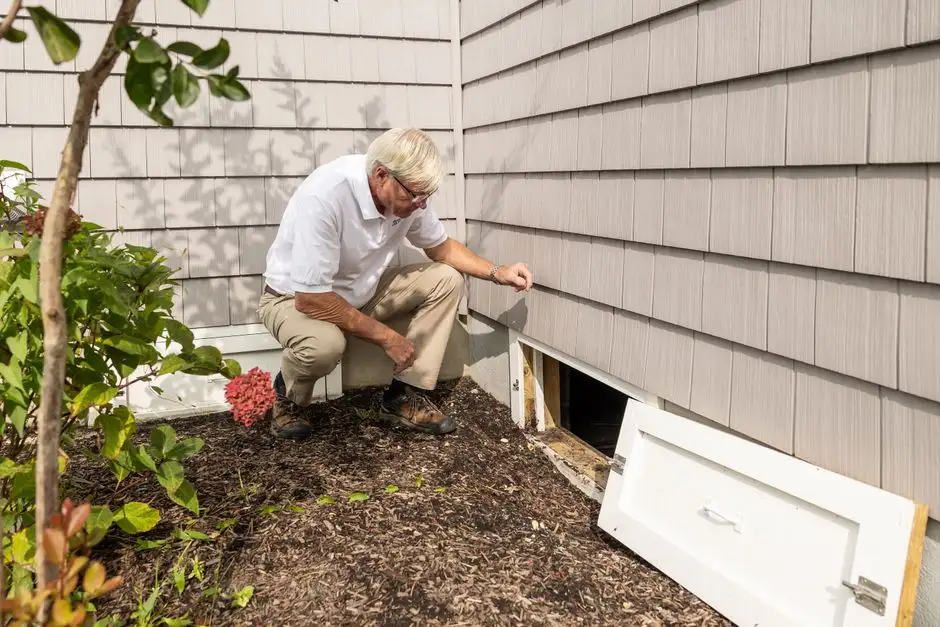
Senior adult inspecting a crawl space entrance during a home inspection on a sunny day.
Licensed Licensed & Bonded
Fully Insured Insured & Bonded
24/7 Emergency Same-Day Response
Warranty Backed Workmanship Guaranteed in Nashville

What Crawl Space Mold Inspection Includes

Crawl Space Mold Inspection Nashville TN includes a visual assessment of accessible under-floor areas, moisture checks, documentation of conditions, and a review of practical next steps. Sampling is recommended only when it addresses a defined question, and laboratory analysis is arranged as part of the testing plan. The inspection does not remove mold, repair plumbing, or correct drainage; those actions follow the findings and require the appropriate trade.

Accessible Area Review

We inspect visible framing, subflooring, insulation, foundation surfaces, ground covering, and plumbing penetrations where access allows. We record visible growth, water marks, debris, and limitations such as low clearance or blocked sections. You know which areas were viewed and where a complete visual check was not possible.

Moisture Measurements

We take comparative readings at suspect materials and nearby reference points, using equipment suited to the surface. The readings help identify damp areas and guide follow-up, but they reflect conditions during the visit. We note active leaks, recent rain, and other factors that affect interpretation.

Targeted Sampling Discussion

When sampling would help answer a specific question, we explain the proposed sample type and location before collection. Air, surface, or bulk samples are not interchangeable. You receive the reason for the method and the limits of the result, including what it cannot establish about untested areas.

Findings and Priorities

We summarize observations, readings, any sampling details, and recommended priorities in customer-ready language. The report helps you distinguish a moisture source that needs repair from suspected growth that needs further evaluation. You can use it to coordinate appropriate corrective work or plan a later verification visit.

Crawl Space Mold Inspection Nashville TN: What It Covers


Crawl Space Mold Inspection Nashville TN is a building assessment that checks accessible under-floor areas for fungal growth, moisture sources, and conditions requiring sampling. We inspect framing, subflooring, insulation, foundation surfaces, plumbing penetrations, and ground coverings, then record moisture readings and visible conditions. A hygrometer helps establish relative humidity, while a pin and pinless moisture meter compares readings across wood and other materials. We explain what is observed, where measurements were taken, and whether testing would answer a remaining question; an inspection identifies conditions but does not itself remove mold or repair a leak.

Nashville's humid periods, heavy rain, plumbing leaks, and poorly drained foundation areas can leave crawl spaces damp long after the surface appears dry. Our Nashville crawl space mold inspection focuses on the source as well as the visible growth, including condensation, standing water, and wet insulation. If you need to inspect a Nashville crawlspace for mold and dampness after a storm or plumbing failure, we map the affected area and distinguish active moisture from older staining. Davidson County homes vary in age and construction, so access and materials shape the inspection.
What to Expect During Inspection

Nashville crawl space mold inspection follows a practical sequence: understand the complaint, inspect accessible areas, measure moisture, and explain findings. We coordinate the visit around crawl-space access and the conditions you report. Most straightforward inspections take about 1.5 to 3 hours on site; larger, obstructed, or wet spaces take longer.

01

Schedule

Call or book online — a real human picks up and confirms a 2-hour arrival window.

02

Diagnose

Licensed tech inspects on-site, then walks you through the cause and your options.

03

Fix

The job is completed to code and done right the first time — no shortcuts, no surprises.

04

Guarantee

Every job backed by a written workmanship warranty — and we stand behind it.

Tools and Inspection Methods

Tools & Equipment

Infrared thermal imaging camera

A FLIR infrared thermal imaging camera helps locate temperature patterns that can guide closer inspection around suspected damp areas. We confirm concerns with direct observations or moisture readings because an infrared image alone does not prove mold or water.

Pin and pinless moisture meter

A Tramex or Protimeter moisture meter compares readings on accessible materials and helps map dampness. Pin and pinless modes suit different surfaces; readings are recorded with their material and location for context.

Borescope inspection camera

A borescope inspection camera allows a limited view into selected cavities where an existing opening provides access. We use the image to guide assessment, not to claim that unseen portions of a wall or floor are clear.

Air sampling pump and spore trap cassette

An air sampling pump draws a measured air sample through a spore trap cassette when airborne assessment is appropriate. Zefon and Air-O-Cell collection media are examples of products used for defined sampling purposes.

Hygrometer

A hygrometer records relative humidity and air temperature during the visit. These readings help describe the crawl-space environment alongside moisture checks, but one visit captures a point in time rather than seasonal conditions.

Methods & Standards

Moisture mapping and comparative readings

We take readings at suspect materials and compare them with nearby areas that appear unaffected. Locations, material types, and observed conditions are recorded together. This approach helps identify patterns and prioritize likely moisture sources without relying on one isolated measurement.

Targeted fungal sampling

We choose air, surface, or bulk sampling based on the question raised by the inspection. Samples are labeled by location, collected with suitable materials, and documented for laboratory handling. Sampling results supplement visual and moisture findings; they do not replace a building assessment or locate a leak.

Building assessment guidance

We use the principles in ASTM D7338 standard guide for assessment of fungal growth in buildings to organize observations and communicate limitations. Where odor assessment is relevant, ASTM D7658 standard test method for mold odors in indoor environments provides a recognized reference. The method is applied to the specific concern, not as a claim that every property needs testing.

When to Inspect Your Crawl Space

01

A Nashville homeowner notices a musty bedroom odor after a wet November storm and cannot find a source indoors.

What we do: We inspect the accessible crawl space for standing water, damp insulation, visible growth, and moisture patterns near the affected room. We record the likely pathway and discuss targeted sampling only if visual evidence leaves a meaningful question unanswered.

→ You receive a clearer account of what is happening below the floor and which repair or follow-up step should come first.

02

A plumbing supply line leaked under a home, and the owner wants conditions checked after the water was stopped.

What we do: We assess the area around the leak, compare moisture readings in affected and nearby materials, and document visible changes. If materials remain wet or show suspected growth, we explain whether remediation evaluation or sampling is appropriate.

→ You have a recorded baseline for the affected section and a practical way to track drying and corrective work.

03

A buyer reviewing a Davidson County property sees staining on crawl-space framing before closing.

What we do: We inspect accessible framing and surrounding surfaces, check moisture, and note whether the stain is dry or associated with current dampness. The report describes observations and limitations without treating a stain alone as proof of active mold.

→ You can discuss the documented condition with the seller or relevant contractor before deciding how to proceed.

04

A homeowner completed crawl-space cleanup but still notices an odor several weeks after the work.

What we do: We review the original concern, inspect accessible treated areas, and look for remaining moisture, visible residue, or a separate source. Where the verification plan calls for it, we can discuss targeted sampling and compare findings with the earlier record.

→ You learn whether accessible conditions appear improved or whether unresolved moisture and odor sources need further attention.

How Nashville Crawl Space Inspections Work

Nashville crawl spaces face long humid periods, episodes of heavy rain, and seasonal temperature changes that can create condensation on cooler surfaces. In November, recent rain and wet leaves around foundations make water entry and drainage worth checking; winter cold can also expose pipe leaks or condensation problems. Older homes may have low clearance, mixed masonry, or ground coverings that complicate access, while renovated properties can conceal older moisture damage beneath newer finishes. Our crawl space moisture and mold inspection Nashville TN visit starts with the reported symptom and the home's accessible construction. We look for wet framing, insulation, standing water, and airflow paths that could carry odors upward. Davidson County properties differ, so we record what we can inspect and do not infer conditions in blocked areas. If you need crawlspace mold assessment after flooding Nashville, Tennessee, we focus on the affected footprint, current moisture, and materials that require follow-up. We provide inspection and testing findings; repairs and remediation are separate building work.

Neighborhoods We Serve

  • East Nashville

    Older housing and additions can create varied crawl-space access and construction. We document accessible sections carefully and note where framing or insulation changes limit a continuous visual review.

  • Green Hills

    Sloped lots and runoff can make perimeter drainage relevant after sustained rain. We look for visible water pathways and compare damp areas with nearby materials.

  • The Gulch

    Urban properties may include renovated or mixed-use construction with restricted service access. We coordinate the inspection around the available entry and clearly record areas that cannot be reached.

  • Sylvan Park

    Homes with older under-floor construction can have low clearance or layered repairs. We adapt the visual and moisture checks to the accessible materials rather than assuming one foundation layout.

Local Conditions We Plan For

  • Heavy rain saturates soil and exposes weak drainage near foundation edges

    Water can enter through low points or collect beneath the floor, leaving insulation and wood damp. We document the affected direction and nearby materials so you can address drainage or water entry before recurring moisture creates further damage.

  • Humid air and cooler crawl-space surfaces create condensation

    Condensation can wet framing even without a plumbing leak or obvious flood. We compare humidity and material readings, look for repeated damp patterns, and explain why a single dry day may not represent conditions through the season.

  • Older access openings and low clearance restrict visibility

    A tight entry can limit how far an inspector can safely reach and what can be seen. We identify those limits in the findings and avoid describing inaccessible sections as inspected, helping you decide whether additional access or repair is needed.

Musty Odor After a Leak

Before

A homeowner noticed a persistent odor above the crawl space after a supply-line leak. The visible floor was dry, but insulation below remained damp and the source of the smell was unclear. No one had recorded moisture readings or identified how far the wet area extended.

After

The inspection documented damp insulation and elevated readings in nearby framing across the affected section. The report identified the leak area and recommended source repair and material evaluation before any follow-up sampling. The owner had a location-based record instead of relying on the odor alone.

Maintenance: After the leak is repaired, check the crawl space during the next heavy rain and after plumbing work. Keep the access clear and address new dampness promptly so the same materials do not stay wet.

Before

After several days of rain, water collected in one part of a crawl space and the owner saw staining on two joists. The extent of dampness was uncertain, and the staining had not been checked against nearby dry wood.

After

We mapped the visible water area, checked accessible joists and insulation, and recorded comparative readings at multiple points. The findings separated the wet section from adjacent materials and identified where drainage review should start. The inspection did not assume that every stain represented active mold.

Maintenance: Keep foundation drainage paths clear and monitor the identified low area after substantial rain. Recheck materials after water entry is corrected; arrange further assessment if readings remain elevated or an odor returns.

Before

A seller preparing a home in Davidson County found a dark patch on crawl-space framing and worried it would delay a sale. The area had no recent moisture record, and the appearance alone could not establish whether it was active growth.

After

The inspection recorded the patch location, surrounding wood condition, and moisture readings. The area measured dry during the visit, while the report described the observation and inspection limits without declaring unviewed sections clear. The seller could share a factual record with interested parties.

Maintenance: Keep the inspection report with property records and disclose later water events accurately. If the area becomes damp or changes visibly, arrange another review rather than relying on an earlier point-in-time reading.

Solve Musty Odors and Dampness Below

A crawl-space smell, damp floor, or visible staining can point to water entry, condensation, or growth beneath the home. Our inspection helps connect the symptom to observed conditions and directs your next step. If you are searching for crawl space inspection for musty odors Nashville, we focus on both the odor concern and the under-floor evidence.

Problem

A musty odor returns after cleaning rooms above the crawl space

The odor may continue if damp materials or active water remain below the floor, and indoor areas can keep picking up the smell.

Our Fix

We inspect accessible framing, insulation, and ground surfaces for moisture patterns and visible growth, then compare readings around the reported area. If the source is not visible, we explain whether further inspection or a targeted sample is useful. You get a documented route to the next corrective step rather than another round of surface cleaning.

Problem

Rainwater or a plumbing leak has left standing water under the home

Wet organic materials can deteriorate, and continued dampness can support fungal growth or damage insulation and wood components.

Our Fix

We record the affected footprint, check nearby materials, and look for a likely entry path such as a visible plumbing leak or perimeter water. Our report separates moisture observations from mold findings. You can use that information to arrange water removal and source repair before deciding whether remediation or laboratory sampling is warranted.

Problem

Visible growth appears on joists or subflooring

Growth may indicate a moisture condition that remains active, while its appearance alone cannot confirm the material or establish the full extent.

Our Fix

We document the location and surrounding conditions, take moisture readings, and identify any access limits. When confirmation would change the next step, we discuss a surface or bulk sample. The findings help you address the moisture source and determine whether a qualified remediation contractor should evaluate the affected materials.

Problem

Indoor air concerns persist despite no visible room-level mold

A concealed under-floor source can be overlooked if the inspection stops at living areas, leaving the suspected cause unresolved.

Our Fix

We include the accessible crawl space in the investigation and consider airflow paths, floor openings, and moisture history. If evidence supports it, indoor air sampling can be paired with a targeted crawl-space sample. We explain what each result means so you can distinguish an under-home concern from another building source.

Clear Findings You Can Act On

Clear Findings You Can Act On

A useful inspection turns a vague odor or damp floor into documented observations and practical next steps. We show you where moisture is present, what surfaces are affected, and when laboratory analysis adds value. You leave with a clearer basis for repairs, further testing, or a post-remediation check.

  • Locate Moisture Sources

    We trace visible water, damp framing, and condensation patterns instead of treating a mold stain as an isolated problem. Readings from multiple points help compare affected wood with nearby dry material. That record can direct a plumber, drainage contractor, or remediation crew toward the source before recurring moisture damages more of your subfloor.

  • Check Hidden Areas

    A borescope inspection camera can help view selected concealed cavities without opening a broad section of finished material. We use it where access and conditions allow, then explain what the view does and does not establish. This is especially useful when a musty odor persists but the exposed crawl space shows no obvious growth.

  • Choose Testing Carefully

    Sampling is most useful when a specific question remains, such as whether a suspect surface contains fungal material or whether airborne spores are elevated. We select a surface swab or air sample based on the inspection goal, not as an automatic add-on. You get a reason for each sample and a result tied to its location.

  • Document the Next Step

    Your findings describe observed growth, moisture readings, accessible limitations, and practical priorities. If remediation follows, a clear baseline helps compare conditions afterward. For crawl space mold inspection services Nashville, Tennessee homeowners need a report that connects evidence to action, not an unexplained list of technical terms.

Credentials and Standards

Licensed & Certified

  • ACAC Council-certified Indoor Environmentalist — issued by American Council for Accredited Certification
  • ACAC Council-certified Microbial Consultant — issued by American Council for Accredited Certification
  • IICRC Applied Microbial Remediation Technician — issued by Institute of Inspection, Cleaning and Restoration Certification
  • IICRC Water Restoration Technician — issued by Institute of Inspection, Cleaning and Restoration Certification

Verified Reviews

Google ★★★★★4.9

A homeowner in East Nashville described a crawl-space inspection that traced a musty odor to damp insulation after a leak. The review highlighted clear moisture readings, a useful report, and practical direction for the next repair step.

Google ★★★★★4.9

A Green Hills customer reported that the inspector documented standing water after rain and explained which areas were accessible. The homeowner appreciated that sampling was discussed as an option rather than presented as an automatic requirement.

Yelp ★★★★★5.0

A Nashville seller said the crawl-space assessment clarified whether an old stain was damp during the visit. They valued the straightforward explanation of readings and inspection limits, which gave them a report to share during a property discussion.

Practical Crawl Space Expertise

Our local experience covers crawl spaces with standing water, damp insulation, musty odors, and suspected growth beneath occupied homes. We use inspection findings to distinguish a moisture problem from a confirmed sampling result and to keep recommendations tied to evidence. Training and credentials relevant to indoor environmental work matter because crawl spaces combine restricted access, building materials, and possible respiratory hazards. We follow applicable OSHA respiratory protection requirements for work conditions and use EPA mold guidance as a reference for practical assessment and response. We do not claim a specific business tenure or imply that inspection alone performs remediation.

  • Our inspection approach draws on ACAC Council-certified Indoor Environmentalist principles for documenting building conditions and communicating limitations.
  • Where microbial consulting expertise applies, an ACAC Council-certified Microbial Consultant credential supports evidence-based assessment rather than guesswork.
  • IICRC Applied Microbial Remediation Technician training informs how we recognize remediation concerns without presenting inspection as cleanup.
  • IICRC Water Restoration Technician knowledge helps connect crawl-space mold concerns with leaks, wet materials, and water intrusion history.
  • We document sample locations and handling so laboratory findings can be interpreted alongside the observed conditions.
Get Started Today
Practical Crawl Space Expertise

Crawl Space Mold Inspection Questions

Real answers to the questions we hear most often from local homeowners and property managers.

What happens during a crawl space mold inspection in Nashville?
A Nashville crawl space mold inspection usually takes about 1.5 to 3 hours and checks accessible materials, moisture sources, and visible growth. We review your concern, inspect framing and insulation, take comparative moisture readings, and discuss targeted sampling if needed. You receive documented observations and practical next steps. Restricted access, standing water, or a large footprint can extend the visit; sampling and laboratory analysis add separate time for results.
How much does a crawlspace mold assessment cost?
A crawlspace mold assessment in Nashville commonly ranges from $250 to $650 in 2026, depending on access, size, and sampling. A basic visual and moisture inspection costs less than a large or obstructed crawl space requiring multiple samples. Laboratory analysis, extensive mapping, and additional areas can increase the total. We explain the price before work starts, so you know what the inspection and any requested testing include.
Where can I book an under-home mold inspection near me?
You can book an under-home mold inspection near you in Nashville by calling +18668968166. We serve Davidson County neighborhoods and nearby areas, including Downtown Nashville and East Nashville. Tell us about the odor, leak, or water event and whether the crawl-space entry is clear. That information helps us prepare suitable equipment and plan an inspection that addresses your specific concern.
Can damp crawl spaces contribute to mold indoors?
Yes, moisture and mold in a crawl space can contribute to musty odors and elevated indoor spores, especially when air moves through floor openings. The connection depends on moisture, materials, and airflow, so an odor alone does not identify the source. We inspect the under-floor space and compare conditions with your indoor complaint. If evidence supports it, targeted air or surface sampling can help answer the remaining question.

Related Inspection and Testing

Mold Inspection

A broader mold inspection checks other rooms or building areas when crawl-space findings do not explain an indoor odor or visible staining. We compare locations, document moisture, and look for related sources such as hidden mold behind walls. This gives Nashville homeowners a more complete view of conditions across the property.

View Mold Inspection

Mold Testing

Mold testing adds laboratory analysis when inspection findings leave a specific question unresolved. We select an appropriate sample type, record its location, and explain what the result can establish. Testing complements a crawl-space inspection; it does not replace locating water intrusion or correcting damp materials.

View Mold Testing

Indoor Air Quality Testing

Indoor air quality testing can help investigate elevated indoor mold spores or persistent odors beyond the crawl space. We compare indoor conditions with the complaint and select sampling locations with a defined purpose. Results are most useful when interpreted alongside moisture observations and the building's ventilation patterns.

View Indoor Air Quality Testing

Mold Sampling

Mold sampling targets a surface, material, or air condition identified during your crawl-space inspection. We use the method that fits the question and label each sample with its location. A focused sample can support a decision, but it cannot measure every area of a home or identify a moisture source by itself.

View Mold Sampling

Airborne Mold Spore Testing

Airborne mold spore testing is relevant when a crawl-space odor or suspected growth coincides with indoor air concerns. An air sampling pump collects a defined sample for laboratory review. We explain the sampling conditions and limitations so you can interpret results in context rather than treating one reading as a complete property diagnosis.

View Airborne Mold Spore Testing

Surface Mold Testing

Surface mold testing checks a selected suspect patch on framing, insulation, or another accessible material. A swab or tape lift is collected from the specific area and submitted for analysis when appropriate. This can clarify a visual concern, while moisture measurements help determine whether the condition is likely to continue.

View Surface Mold Testing

Book Crawl Space Mold Inspection Nashville TN

A persistent musty odor, wet insulation, or recent leak deserves a direct look before the condition spreads. Call Nashville Mold Testing at +18668968166 to discuss your crawl space and arrange an inspection. We explain pricing upfront and focus the visit on the moisture and mold concerns you report.

Call Our Team Schedule Inspection

Contact Nashville Mold Testing

Tell us what you have noticed, where it is happening, and whether a leak or cleanup has already occurred. Call +1 866-896-8166 during regular business hours, Monday through Friday, 8 a.m. to 6 p.m. Central Time. We will discuss the concern, explain the inspection options, and help you take the next practical step.

Or call us right now at +18668968166 — we answer.

Nashville Mold Testing


  • Phone

    +18668968166
  • Address

    Nashville, Tennessee

  • Hours

    Mon–Fri: 7AM – 7PM
    Sat: 8AM – 4PM
    Sun: Emergency Only
    24/7 Emergency Available

Call +18668968166 Get Quote
Call Quote