Logo
Get Estimate

Basement Mold Inspection Nashville TN: Find the Source

Clear answers for damp, musty, or recently flooded basements


Basement Mold Inspection Nashville TN helps you identify visible growth, hidden moisture, and conditions that can support mold before damage spreads. We inspect basements in homes, rentals, and commercial properties across Nashville, Tennessee, including after a leak, flood, or persistent musty odor. Our team checks likely moisture pathways, documents findings, and explains whether sampling is useful, so you can choose a practical next step.

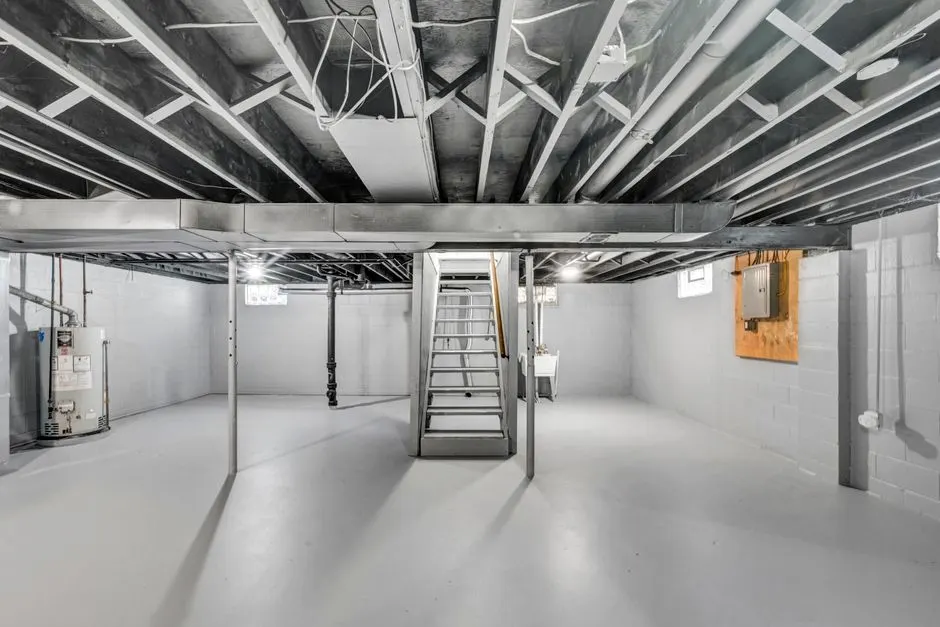
Explore a spacious, unfinished basement with potential for renovation in an Ohio home.
Licensed Licensed & Bonded
Fully Insured Insured & Bonded
24/7 Emergency Same-Day Response
Warranty Backed Workmanship Guaranteed in Nashville

What a Basement Mold Inspection Covers

Your inspection covers accessible basement areas connected to the reported concern: visual conditions, moisture checks, odor observations, and documentation. We discuss sampling before collecting it and select a method based on the question at hand. Extensive material removal, repair work, and remediation are separate work; the inspection identifies evidence and priorities so you can direct those next steps with better information.

Visual Condition Review

We inspect accessible basement walls, ceilings, floors, stored-material edges, plumbing areas, and visible utility spaces. We record mold-like growth, staining, peeling finishes, and signs of prior water entry, noting the location so you can connect each observation to a room or building feature.

Moisture Measurements

We take readings at suspect surfaces and compare them with nearby reference areas where practical. A meter helps identify moisture differences in accessible materials, while humidity measurements add context about room conditions. We document the results instead of treating one number as proof of mold.

Targeted Sample Options

When testing can help answer a defined question, we discuss air, surface, or material sampling and identify the intended collection points. Samples are labeled and handled for laboratory analysis. You learn what the test addresses and why it is relevant to the conditions found.

Findings and Priorities

We explain observations, measurements, and any available laboratory results in a report organized around affected areas. Recommendations identify practical priorities such as stopping water entry, drying wet materials, or evaluating a concealed space. The report supports decisions; it does not replace repair or remediation work.

Basement Mold Inspection Nashville TN Explained


Basement Mold Inspection Nashville TN is a building assessment that locates moisture conditions and evaluates visible or suspected fungal growth in below-grade spaces. We examine walls, floor edges, stored materials, plumbing areas, and accessible mechanical spaces, then use moisture readings and targeted tools to distinguish a damp surface from a broader problem. An Infrared thermal imaging camera helps identify temperature patterns for follow-up; it does not confirm mold by itself. If sampling is appropriate, we collect it from defined locations and explain what the results can and cannot establish.

Nashville basements face moisture from heavy rain, seepage at foundation joints, plumbing failures, and humid air meeting cool masonry. Homes with finished lower levels can hide damp drywall or framing behind trim, while unfinished spaces often reveal water marks sooner. If you need to inspect a Nashville basement for mold after a leak, we trace the affected area and check adjoining materials rather than stopping at the first visible stain. Our local approach covers Davidson County properties and their distinct construction and drainage conditions.

What to Expect During Inspection

A basement mold inspection in Nashville starts with your concern, not a preset sampling package. We ask when the odor, leak, or staining began, then examine the affected area and nearby conditions. Most residential visits take about 1.5 to 3 hours, depending on access, room count, and whether sampling is warranted. We explain each step as we work.

01

Schedule

Call or book online — a real human picks up and confirms a 2-hour arrival window.

02

Diagnose

Licensed tech inspects on-site, then walks you through the cause and your options.

03

Fix

The job is completed to code and done right the first time — no shortcuts, no surprises.

04

Guarantee

Every job backed by a written workmanship warranty — and we stand behind it.

Tools and Inspection Methods

Tools & Equipment

FLIR Infrared Thermal Imaging Camera

We use thermal patterns to locate temperature differences that may warrant moisture-meter confirmation. A thermal image guides investigation; it does not identify mold or prove a leak on its own.

Tramex Moisture Meter

A Pin and pinless moisture meter helps compare readings across accessible building materials. We record suspect locations and reference points to evaluate whether a damp pattern is isolated or broader.

Borescope Inspection Camera

A Borescope inspection camera can view a limited concealed area through an existing opening. We use it when visual or moisture evidence supports checking a cavity and explain the limits of that view.

Zefon Air Sampling Pump

When air sampling is appropriate, a calibrated pump draws a defined air volume through a collection medium. We document the location and collection conditions so the laboratory result can be interpreted alongside the inspection.

Surface Swab Kit

A Surface swab kit collects material from a selected visible area for laboratory analysis. We use a targeted sample when identification could help answer a practical question about that surface.

Methods & Standards

Moisture Mapping

We measure suspect materials at multiple points and compare readings with nearby areas that appear unaffected. This mapping helps show whether dampness follows a plumbing route, foundation joint, or single localized spot. Readings are interpreted with material type and inspection conditions, not as a standalone mold test.

Visual and Odor Survey

We walk the basement systematically, recording visible changes, staining, odor locations, and accessible building features. The survey follows ASTM D7338 standard guide for assessment of fungal growth in buildings as a reference for organized assessment. We distinguish observed growth from conditions that merely justify further investigation.

Targeted Sampling

We select air or surface sampling only when the question and location are clear. A collection medium is identified, the sample location is recorded, and chain-of-custody handling supports laboratory review. Results are considered with moisture and visual evidence; a single sample cannot represent every room or every moment.

Post-Repair Verification

After moisture correction or remediation, we review the work area for visible residue, remaining moisture, and conditions relevant to the agreed inspection criteria. If testing is part of the verification, we select it for the project and explain the result. The goal is documented evidence about the inspected area, not a promise that no spores exist.

When to Schedule an Inspection

01

A pipe leaks in a finished basement near The Gulch, and the carpet is dry but the odor remains.

What we do: We inspect the leak path, adjacent trim, wall edges, and accessible floor materials, then compare moisture readings around the affected zone. If evidence suggests concealed dampness, we discuss a limited cavity check or targeted sampling. You get findings focused on the leak rather than a generic whole-home conclusion.

→ You learn whether materials appear dry, where moisture remains, and which repair or follow-up step should happen next.

02

A Germantown homeowner sees water marks after a storm and wants the basement checked before refinishing.

What we do: We document the water marks, inspect nearby foundation surfaces, and measure suspect materials before new finishes cover the area. We look for patterns consistent with recurring entry and explain which locations need monitoring or repair. Testing is considered only if it adds useful information to the inspection.

→ You have a documented baseline and can address moisture concerns before installing new flooring or wall finishes.

03

A rental property in East Nashville has a recurring basement odor between tenant turnovers.

What we do: We check the reported rooms, accessible plumbing, storage areas, and surrounding surfaces, noting conditions that could change between visits. If an air or surface sample is appropriate, we label the collection point and explain the result in context. The report helps you coordinate targeted maintenance.

→ You receive findings that can be shared with a property manager or repair contractor, with priorities tied to specific locations.

04

A Green Hills buyer notices a basement stain during a walkthrough after a past water event.

What we do: We assess the visible stain, nearby materials, and accessible moisture conditions, then document whether the area appears currently damp. We identify limitations and distinguish observations from conclusions that would require testing or further access. The results give you a clearer basis for follow-up questions.

→ You can discuss a defined condition and recommended next steps rather than relying on the appearance of one mark.

How Basement Inspections Work in Nashville

Nashville's humid summers and frequent heavy rain make moisture control important in below-grade rooms, especially where foundation walls meet floors or exterior drainage is challenged. Cool masonry can also collect condensation when warm, humid air enters a lower level. We consider these conditions alongside plumbing leaks, sump or drainage history, and whether the basement is finished. A basement moisture and mold check Nashville homeowners request may involve an unfinished utility area, a renovated living space, or both. If you need to check a musty basement for hidden mold Nashville, we start with the odor location and look for supporting moisture evidence before recommending invasive access. Our team serves Davidson County and works across older and newer building types, documenting the areas inspected and any limitations. We can coordinate sampling through an environmental laboratory when the findings justify it. Your report focuses on the actual property conditions and practical next steps, not assumptions based on neighborhood or building age.

Neighborhoods We Serve

  • Downtown Nashville

    Mixed-use buildings and renovated lower levels can have different access and ventilation patterns. We focus on the reported room, nearby mechanical areas, and moisture pathways without disrupting unrelated occupied spaces.

  • East Nashville

    Older homes may have additions, varied foundation details, or finished spaces built over time. We compare affected materials with nearby reference points and note where construction changes limit access.

  • Green Hills

    Finished basements can conceal water effects behind trim and flooring. We inspect the reported area and check accessible edges before recommending any additional opening or sampling.

  • Germantown

    Lower levels in renovated properties may include storage, utility equipment, or occupied rooms. We plan the walkthrough around the water history and document conditions by area.

Local Conditions We Plan For

  • Heavy rain drives seepage through foundation joints or basement wall penetrations.

    Water may enter at a small seam, travel behind stored items, and leave stains after the surface dries. We check the affected edge and nearby materials to help identify the extent of the moisture pattern.

  • Warm humid air meets cool masonry and creates recurring condensation.

    Condensation can mimic seepage and dampen surfaces without a plumbing leak. We consider room humidity, surface temperature patterns, and material readings together before describing likely moisture conditions.

  • A plumbing leak wets finished drywall before visible growth appears.

    The finish can hide damp framing or insulation, particularly near utility rooms and bathrooms. We assess accessible evidence and explain when a targeted cavity check or repair investigation is warranted.

Odor After a Washer Leak

Before

A homeowner near 12 South reported a musty smell two weeks after a washer hose failed. The carpet felt dry, but the odor remained along one wall. No visible growth was present, leaving the owner unsure whether the area needed cleanup or further investigation.

After

The inspection found higher moisture readings at the lower wall edge than at the adjoining reference area, while the carpet readings were dry. A targeted sample was collected from the suspect surface. The report identified the affected zone and prioritized checking the wall assembly before replacing finishes.

Maintenance: Keep the washer connection accessible, inspect hoses during routine appliance checks, and respond quickly to new leaks. After repairs, recheck the wall edge for dampness or returning odor before closing any opened finish.

Before

After repeated storms, a basement in East Nashville showed a dark mark near a foundation corner. The mark had faded between rain events, so the owner could not tell whether it was old staining or recurring entry. Stored boxes sat close to the wall.

After

We documented the stain, checked the nearby floor-wall joint, and compared moisture readings at several points. The affected corner showed a different pattern from the dry wall section. The report directed attention to that exterior drainage zone and recommended moving stored items away during repair.

Maintenance: Keep the perimeter clear enough to inspect, and check the corner after heavy rain. Record any new water marks and address drainage or sealing issues before repainting the basement wall.

Before

A Green Hills owner planned new flooring in a finished basement but noticed a persistent smell near the stair landing. The walls looked intact, and there was no recent flood report. Installing new flooring without checking the odor source could have covered useful evidence.

After

The inspection measured humidity and compared moisture readings around the landing, adjoining wall, and accessible utility area. No consistent damp pattern was found in the checked surfaces, and the report explained the limits of the visual review. The owner had a clear basis for targeted follow-up before renovation.

Maintenance: Keep basement humidity under observation, address condensation promptly, and check the landing again if the odor returns. Before covering a suspect area, document any new staining or moisture readings.

Solve Basement Mold Problems After Leaks

Basement mold after water intrusion can leave you unsure whether a stain is old, a wall is still wet, or growth is concealed. Our inspection connects the reported event with present conditions, checks nearby materials, and identifies where more investigation matters. We focus on evidence that can guide the next repair or testing decision.

Problem

A musty odor remains after a basement leak was dried.

Odor can persist when damp porous materials or hidden debris remain, and opening finished walls without a reason can add unnecessary repair costs.

Our Fix

We trace the odor through the reported leak zone, check accessible surfaces and moisture patterns, and consider adjoining cavities when evidence points that way. If you need a lower-level mold assessment after flooding Nashville, Tennessee, we document which materials remain affected and whether targeted sampling could clarify the condition.

Problem

Rainwater repeatedly appears along a foundation wall.

Recurring water can damage finishes and stored belongings, while repeated wetting creates conditions that support growth and makes cosmetic patching short-lived.

Our Fix

We inspect the wall, floor joint, and nearby materials for moisture evidence and visible changes. Our report records affected locations and helps distinguish an active moisture problem from a dry historic stain, giving you a more useful starting point for drainage or foundation repairs.

Problem

A finished basement wall smells damp but looks clean.

Concealed framing or insulation can stay wet without obvious surface growth, and an unresolved leak may continue damaging materials behind the finish.

Our Fix

We compare moisture readings around the suspect wall with adjacent areas and evaluate whether a limited borescope check is justified. We explain access limits and recommend further inspection only when the conditions support it, so you can make an informed decision before opening a finished wall.

Problem

A basement room feels humid and condensation returns on cool surfaces.

Repeated condensation can dampen furnishings and building materials, obscure the original moisture source, and encourage recurring odor or surface growth.

Our Fix

We measure room humidity, inspect likely cold surfaces, and look for plumbing or water-entry clues. Our findings help you separate condensation from seepage and prioritize moisture control, ventilation review, or additional testing based on the readings and observed conditions.

Know What Needs Attention

Know What Needs Attention

A careful inspection gives you more than a yes-or-no impression. We connect signs of growth to moisture conditions, identify areas that warrant closer evaluation, and explain which next step fits your situation. That helps you avoid guesswork, target repairs, and make decisions using documented observations rather than odor alone.

  • Find Moisture Pathways

    We check plumbing penetrations, foundation seams, floor-wall joints, and drainage-adjacent surfaces for signs of water entry. A Pin and pinless moisture meter helps compare readings across materials, while a Hygrometer records the room's relative humidity. You get a clearer picture of where dampness is active and where it may have already dried.

  • Separate Odor From Evidence

    A musty smell deserves attention, but it does not identify a mold species or prove growth is behind a wall. We look for visible mold growth, water staining, condensation, and affected materials, then recommend targeted sampling only when it answers a useful question. Your report distinguishes observed conditions from laboratory findings.

  • Check Concealed Areas

    Finished basements can conceal wet insulation, framing, or drywall after a small leak. Where access and conditions allow, we use a Borescope inspection camera to examine a limited cavity through an existing opening. That focused check helps determine whether further access or repair investigation is warranted, without treating every suspicious wall as confirmed contamination.

  • Plan the Next Step

    You receive findings tied to locations, moisture readings, and any sample results, with practical priorities for drying, repair, or additional evaluation. If a basement moisture and mold check Nashville residents request follows a water event, we explain which materials need attention first and what evidence should be reviewed after remediation.

Inspection Standards and Care

Licensed & Certified

  • ACAC Council-certified Indoor Environmentalist — issued by American Council for Accredited Certification
  • IICRC Applied Microbial Remediation Technician — issued by Institute of Inspection, Cleaning and Restoration Certification
  • IICRC Water Restoration Technician — issued by Institute of Inspection, Cleaning and Restoration Certification

Verified Reviews

Customer feedback Not stated

A Nashville homeowner called after a basement leak left a smell near the utility room. The inspection documented moisture differences and explained which area needed follow-up. They valued getting a location-specific report instead of a recommendation to replace every basement finish.

Customer feedback Not stated

A property owner in East Nashville wanted to know whether a recurring foundation stain was active. The inspector checked the wall and floor edge, recorded readings, and explained what the measurements meant. The owner used the findings to focus a drainage repair.

Customer feedback Not stated

A Green Hills resident had an odor before a basement renovation. The team reviewed the accessible surfaces, checked humidity, and discussed the limits of inspection behind finished walls. The clear next steps helped the owner decide what to investigate before installing new flooring.

Field Knowledge and Careful Reporting

Basement assessment requires separating the source of water from the visible symptom. Our team uses local experience with Nashville's humid seasons, below-grade construction, and common plumbing and drainage problems to guide each inspection. We follow applicable EPA mold guidance and use sampling methods suited to the question being asked. We do not claim that a single air sample represents every room or that a thermal image proves growth. Instead, we connect observations, measurements, and laboratory data into a clear account you can use.

  • We compare moisture readings between affected and apparently dry materials instead of treating one reading as a complete diagnosis.
  • Our technicians document sample locations and use Chain-of-custody forms when laboratory analysis is part of the inspection.
  • We distinguish a visual observation from a lab identification, so your report does not overstate what testing establishes.
  • We consider HVAC pathways and adjoining rooms when a basement odor or airborne concern appears to extend beyond one surface.
  • We explain access limits plainly, including when a concealed cavity needs a separate opening or repair investigation.
Get Started Today
Field Knowledge and Careful Reporting

Basement Inspection Questions

Real answers to the questions we hear most often from local homeowners and property managers.

What does a basement mold inspection include in Nashville?
A Nashville basement mold inspection includes a visual review, moisture measurements, and documentation of relevant basement conditions. We check accessible walls, floors, plumbing areas, and reported odor or water-damage locations; the visit often takes 1.5 to 3 hours. Sampling is added when it can answer a specific question, such as whether a surface or airborne condition warrants laboratory analysis. You receive findings and recommended next steps.
How much does a lower-level mold assessment cost?
A lower-level mold assessment in Nashville generally ranges from $250 to $750, depending on size, access, and whether samples are collected. A focused visual and moisture check costs less than a multi-room assessment with laboratory analysis. These are typical 2026 pricing ranges; we give you upfront pricing before work begins. Lab fees, concealed-space access, and additional sample locations can change the total.
Where can I find a basement mold inspector near me?
Nashville Mold Testing serves Nashville neighborhoods and Davidson County, including Downtown Nashville, East Nashville, and Green Hills. Call +18668968166 to discuss the odor, leak, or staining and arrange an inspection. If you need a basement mold inspector near Downtown Nashville, tell us which rooms are affected and whether water is still entering; that helps us prepare for the right inspection.
When should a basement be checked after water intrusion?
Arrange an inspection as soon as the water source is controlled, ideally within 24 to 48 hours, because wet materials can begin supporting growth if they stay damp. If the basement was flooded, tell us how high the water reached and which materials were wet. We can evaluate moisture, visible changes, and the need for sampling; do not wait for a musty odor before addressing persistent wetness.

Related Testing and Inspection Services

Mold Inspection

A broader mold inspection checks more than the basement when odors or visible growth appear in several rooms. We compare the lower level with adjoining areas and note possible pathways, helping Nashville property owners understand whether the concern is isolated or warrants a wider building review.

View Mold Inspection

Mold Testing

Mold testing adds laboratory analysis when a sample can answer a defined question about a basement condition. We select air or surface methods based on the concern, label the collection points, and explain that results complement-not replace-the physical inspection and moisture investigation.

View Mold Testing

Indoor Air Quality Testing

Indoor Air Quality Testing is useful when basement odors or airborne concerns seem to affect upper floors. We assess relevant locations and discuss the limits of a snapshot sample, then connect findings with ventilation, humidity, and moisture observations to make the results more useful.

View Indoor Air Quality Testing

Mold Sampling

Mold Sampling focuses on collecting targeted material from a suspected area for laboratory review. In a Nashville basement, that may mean a surface swab or tape lift from visible growth. We document exactly where the sample came from and why that location was selected.

View Mold Sampling

Airborne Mold Spore Testing

Airborne Mold Spore Testing measures particles collected from selected indoor locations and, when appropriate, a comparison location. It can help evaluate a basement concern, but one sample is not a complete map of the home. We interpret the result alongside inspection observations and moisture conditions.

View Airborne Mold Spore Testing

Surface Mold Testing

Surface Mold Testing examines a defined area where growth or residue is visible. We choose a collection method suited to the surface, record the exact location, and explain what the laboratory result can establish. It is most useful when identification will affect a repair or remediation decision.

View Surface Mold Testing

Book Basement Mold Inspection Nashville TN

A persistent basement odor, water mark, or recent leak deserves a focused check. Call Nashville Mold Testing at +18668968166 to discuss your concern and schedule an inspection. We explain upfront pricing before the visit.

Call Today Schedule Inspection

Contact Nashville Mold Testing

Tell us what you have noticed, where it is happening, and whether a leak or cleanup has already occurred. Call +1 866-896-8166 during regular business hours, Monday through Friday, 8 a.m. to 6 p.m. Central Time. We will discuss the concern, explain the inspection options, and help you take the next practical step.

Or call us right now at +18668968166 — we answer.

Nashville Mold Testing


  • Phone

    +18668968166
  • Address

    Nashville, Tennessee

  • Hours

    Mon–Fri: 7AM – 7PM
    Sat: 8AM – 4PM
    Sun: Emergency Only
    24/7 Emergency Available

Call +18668968166 Get Quote
Call Quote