Logo
Get Estimate

Mold Testing Nashville TN for Clear Answers

Find hidden moisture and understand what is growing indoors.


Mold Testing Nashville TN helps homeowners, tenants, buyers, and property managers identify visible or hidden mold and locate the moisture behind it. We inspect the affected area, select air or surface samples when they answer a real question, and explain results in plain language. Our Nashville mold testing is useful after leaks, musty odors, recurring condensation, or remediation when you need evidence to decide what to do next.

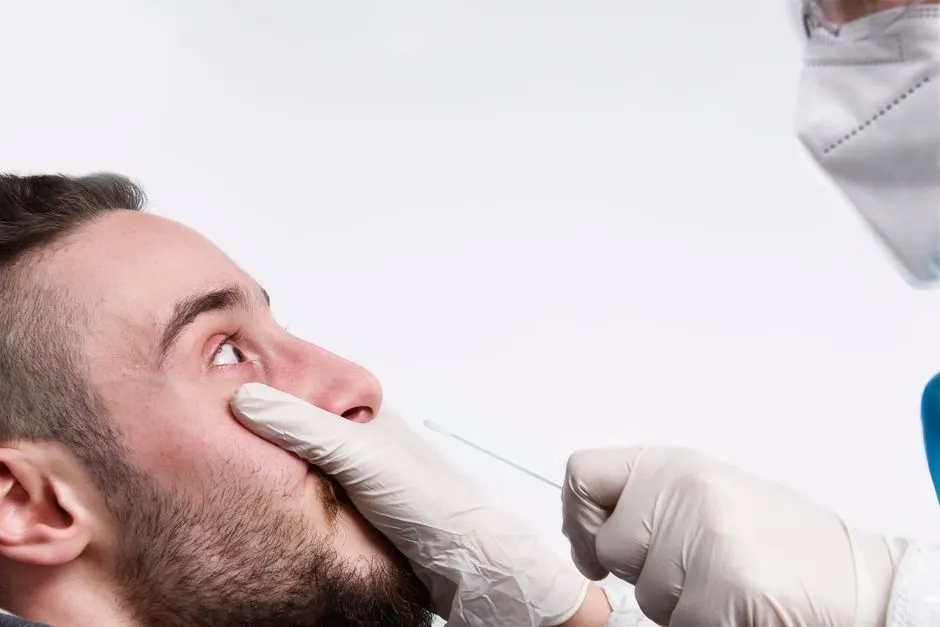
Healthcare worker giving a nasal swab test to a man on a white background.
Licensed Licensed & Bonded
Fully Insured Insured & Bonded
24/7 Emergency Same-Day Response
Warranty Backed Workmanship Guaranteed in Nashville

What Nashville Mold Testing Includes

A mold test visit covers a focused discussion, visual review of reported areas, moisture observations, and sampling when appropriate. We document sample locations and explain findings in relation to the building conditions. Additional access, extensive concealed-area investigation, or remediation work is separate from testing; our visit identifies evidence and next steps rather than removing mold or repairing a leak.

Concern and history review

We ask about odor, visible growth, leaks, past cleanup, and the rooms affected. Your answers help us focus the inspection and choose useful comparison locations, especially when symptoms or odors come and go with weather or HVAC operation.

Visual and moisture checks

We inspect accessible surfaces and check suspect materials with suitable moisture tools. We note room conditions and distinguish visible observations from areas that cannot be seen without opening a wall or ceiling.

Targeted sample collection

When testing can clarify a specific concern, we collect air, surface, or bulk samples and record their locations. Sample selection depends on the question, building conditions, and accessible materials rather than a fixed number for every property.

Results and recommendations

We explain laboratory results alongside inspection notes and moisture evidence. Your summary identifies practical next steps, such as correcting water entry, drying materials, arranging remediation, or considering a follow-up assessment after work.

Mold Testing Nashville TN: What It Finds


Mold Testing Nashville TN is an environmental assessment service that checks for suspected fungal growth and the moisture conditions that allow it to persist. We inspect rooms and building materials, record temperature and humidity, and use targeted sampling when visual evidence alone cannot answer the question. Depending on the concern, we collect air samples with a pump and spore trap cassette, take a surface swab, or gather a small bulk sample. Results are interpreted alongside the inspection; a lab number without building context does not identify the moisture source or prove that every area is clear.

Nashville properties face humid summers, heavy rain, plumbing leaks, and winter condensation, all of which can leave damp drywall, crawl spaces, or attic sheathing. A musty odor without visible growth is a common reason to investigate, as are recurring symptoms reported indoors or a damp basement after water intrusion. Our mold testing services in Nashville, Tennessee focus on the rooms and materials connected to the complaint. If you need to schedule professional mold testing in Nashville TN, we begin with the building history and the areas you want checked.

What To Expect From Testing

Mold testing in Nashville follows a clear sequence: understand the concern, inspect the building, select appropriate samples, and explain the findings. A straightforward site visit often takes about 1.5 to 3 hours; larger buildings or concealed areas take longer. We tell you what we are checking as we work.

01

Schedule

Call or book online — a real human picks up and confirms a 2-hour arrival window.

02

Diagnose

Licensed tech inspects on-site, then walks you through the cause and your options.

03

Fix

The job is completed to code and done right the first time — no shortcuts, no surprises.

04

Guarantee

Every job backed by a written workmanship warranty — and we stand behind it.

Tools and Testing Methods

Tools & Equipment

Infrared thermal imaging camera

A FLIR infrared camera shows surface temperature patterns that can help locate areas for closer moisture investigation. It does not identify mold, so we confirm concerns with direct inspection and moisture readings.

Pin and pinless moisture meter

A Tramex or Protimeter meter compares suspect building materials with nearby areas. Pin readings assess localized material moisture; pinless scans help survey surfaces without leaving pin marks.

Air sampling pump and spore trap cassette

A calibrated pump draws a measured air volume through a cassette such as Air-O-Cell or Zefon. The collected particles are sent for analysis when airborne sampling fits the question.

Borescope inspection camera

A borescope can view an accessible concealed cavity through an existing opening. It helps check behind a finish without assuming that the entire wall contains growth or opening materials unnecessarily.

Hygrometer

A hygrometer records relative humidity and temperature during the inspection. Those conditions help explain condensation risk and provide context for moisture observations and sample interpretation.

Methods & Standards

ASTM D7338 assessment approach

We use ASTM D7338, the standard guide for assessing fungal growth in buildings, to support a systematic review of visible conditions, moisture sources, and affected materials. The guide informs inspection practice; it does not create a universal pass-or-fail result. Our report connects observations with the property and the specific question you asked.

Targeted air sampling

When airborne sampling is justified, we select locations based on the reported concern and building layout, and use an outdoor comparison when appropriate. A measured volume passes through a spore trap cassette, which is labeled and submitted for analysis. Results are interpreted with the inspection, not as a stand-alone diagnosis.

Surface and bulk collection

For localized suspected growth, we may use a surface swab, adhesive tape lift, or bulk sample. We document the exact material and location, use clean collection supplies, and handle samples to limit cross-contamination. The method depends on whether identification at a surface or within a material will help guide a decision.

Moisture-led investigation

We follow the evidence from stains, odor, and reported leaks toward likely moisture pathways, checking accessible surfaces and comparing suspect readings with surrounding materials. This approach helps distinguish a dry old stain from an active concern and keeps sampling focused on the area that matters.

When Nashville Mold Testing Helps

01

A Green Hills homeowner finds a spreading stain after a ceiling leak during a heavy fall storm.

What we do: We inspect the stained ceiling and accessible area above it, check moisture around the leak path, and document visible conditions. If the source is no longer active but the material remains suspect, targeted sampling can help inform repair or remediation planning.

→ You get a record of the affected location and moisture evidence, plus a practical sequence: stop water entry, dry or remove damaged material, then verify conditions as needed.

02

An East Nashville tenant notices a musty bedroom odor that worsens after the HVAC runs.

What we do: We review when the odor occurs, inspect accessible room and system-adjacent areas, and assess whether moisture or visible growth is present. Air sampling may be selected alongside a comparison point if it answers a defined question about airborne particles.

→ The findings help the property manager separate a moisture concern from a ventilation or housekeeping issue and decide what targeted follow-up is justified.

03

A Downtown Nashville office needs documented observations after cleanup of a small water-damaged area.

What we do: We revisit the work area, check visible cleanliness and moisture conditions, and compare the inspection with the original concern. If appropriate, we collect samples from agreed locations and document them for post-remediation review.

→ You receive a concise record of the area checked and the evidence observed, helping the team decide whether the space is ready for normal use or needs more work.

How Mold Testing Works in Nashville

Mold testing services in Nashville, Tennessee account for humid summers, frequent rain, and sharp shifts between outdoor humidity and conditioned indoor air. Those changes can drive condensation on cool surfaces, especially in crawl spaces, basements, and poorly ventilated attic areas. We ask about the season and history of the concern because a stain after a roof leak calls for a different inspection route than an odor that appears when the HVAC starts. Older homes and additions can also have layered materials that hide a previous repair or an active leak. For a commercial property or home, we check accessible areas first and explain when additional access is needed. If you are comparing indoor mold analysis services Nashville TN, our focus is evidence tied to your property: where moisture was found, what was sampled, and what the result supports. Davidson County service visits include neighborhoods from East Nashville to The Gulch; the report records the actual areas examined, not a generic citywide assumption.

Neighborhoods We Serve

  • East Nashville

    Older homes and additions can have mixed wall assemblies and prior repairs. We trace odor or staining to accessible moisture evidence before recommending samples.

  • The Gulch

    Condominium concerns often involve shared walls, plumbing routes, or HVAC operation. We document the unit areas checked and any reported history of leaks.

  • Green Hills

    Attics and roof transitions can show condensation or leak evidence after wet weather. We inspect accessible sheathing and nearby materials where the concern points.

  • Downtown Nashville

    Commercial and multifamily properties need clearly recorded sample locations. We plan checks around the reported room, water history, and building use.

Local Conditions We Plan For

  • Humid summer air meets cool interior surfaces

    Temperature differences can produce condensation around ducts, windows, and other cool surfaces. We record indoor conditions and check the reported area so a humidity pattern is not mistaken for confirmed mold growth.

  • Heavy rain exposes roof or foundation entry points

    Water can travel beyond the visible stain before it appears indoors. We follow accessible moisture clues around ceilings, basement walls, and adjoining materials, then explain whether targeted sampling or a leak investigation is the better next step.

  • Crawl spaces retain dampness after wet periods

    Persistent damp conditions can affect nearby framing and flooring. We check accessible areas and document moisture evidence, while noting when safe access or a separate moisture correction is needed before testing can be meaningful.

Laundry Leak Odor Traced

Before

A Nashville homeowner had a musty laundry-room odor after a washer connection leaked. The floor had been wiped dry, but the smell returned and a baseboard showed a faint stain. No one knew whether the wall cavity was still damp or whether the odor came from the drain area.

After

We checked the baseboard and adjacent materials, compared moisture readings, and collected a targeted surface sample where visible residue warranted it. The findings tied the concern to the leak-side material rather than the full room. The owner had documented locations and a clear priority to dry and repair the affected section.

Maintenance: Check the washer connection and supply hoses during routine laundry-area checks. Keep the floor and baseboard visible after a leak, and investigate promptly if odor returns or materials remain damp.

Before

A Green Hills homeowner noticed dark marks on attic sheathing after several rainy days. The roof had been repaired, but the stains remained and the owner could not tell whether they were old or connected to ongoing condensation.

After

We inspected accessible sheathing, checked nearby material moisture, and documented the roof-side location. Findings identified the areas needing continued observation and moisture control; the owner received a focused record rather than a conclusion based on color alone. No room-wide sampling was needed to answer the initial question.

Maintenance: After roof work, check the attic following the next wet period and keep stored items clear of the inspected area. If new moisture or odor appears, compare the location with the documented findings.

Before

After heavy rain, a basement wall and stored boxes felt damp in a Nashville home. The standing water had been removed, but a musty smell continued near the affected corner, leaving the owner unsure whether the wall had dried.

After

We mapped the accessible damp area, checked nearby materials, and discussed the likely water-entry path. Targeted sampling was considered in relation to the persistent odor, while the immediate priority remained stopping water entry and drying the materials. The report gave the owner a sequence for repair and follow-up.

Maintenance: Keep the affected wall clear until it is dry and the entry point is corrected. Recheck the same corner after heavy rain; recurring dampness calls for renewed moisture investigation.

Problems Solved With Nashville Mold Testing

Persistent odors and water marks often leave you unsure whether a room needs drying, repair, or further investigation. Nashville mold testing helps connect those clues with accessible moisture evidence and targeted samples. We focus on the affected area, explain what findings mean, and identify a practical next step.

Problem

Musty odor persists after a plumbing leak was repaired

Odor can remain when nearby materials are still damp or when growth is concealed, delaying the right repair and leaving occupants uncertain about the room.

Our Fix

We trace the reported odor through accessible materials and check moisture around the original leak path. If sampling adds useful evidence, we collect it from selected locations and explain results with the inspection. You leave knowing whether drying, further access, or remediation deserves attention.

Problem

Dark attic marks appear after humid weather or roof work

Condensation or a roof leak can wet sheathing and framing; covering stains without correcting moisture can allow the condition to recur.

Our Fix

We inspect accessible attic surfaces, look for moisture patterns, and consider nearby roof details and ventilation. A thermal camera can guide closer checking, but we verify suspected conditions with direct observation and moisture readings. Targeted testing is considered when appearance alone cannot answer the concern.

Problem

Basement materials remain damp after heavy rain

Repeated water entry can affect stored belongings and wall materials, while hidden dampness may continue even after standing water has been removed.

Our Fix

We document affected surfaces, check accessible material moisture, and investigate the likely intrusion route. If your basement still smells musty after drying, we can assess whether air or surface sampling will clarify the issue. The priority is correcting water entry before rebuilding or repainting.

Clear Findings, Practical Next Steps

Clear Findings, Practical Next Steps

Nashville mold testing turns an unexplained odor or water stain into a documented investigation. We connect observations, moisture readings, and selected samples so you can distinguish an active moisture problem from old staining or settled dust. You receive findings you can use to plan repairs, remediation, or a follow-up check.

  • Locate moisture sources

    We trace likely pathways from a stain or odor toward plumbing, exterior walls, roof transitions, or HVAC equipment. A pin and pinless moisture meter helps compare suspect materials with nearby dry areas. That comparison gives you a more useful starting point than treating every discolored surface as mold.

  • Choose samples deliberately

    A sample is useful only when it answers a specific question. We select air or surface sampling based on the observed conditions, document where it came from, and use chain-of-custody forms when samples go to a laboratory. Your report separates collected evidence from visual observations.

  • Support repair decisions

    Clear documentation helps you discuss the affected area with a remediation contractor, landlord, insurer, or buyer. Our professional mold testing company Nashville TN service records the location and condition of findings, so you can focus work on the source and affected materials rather than guessing at a whole-building problem.

  • Check post-work conditions

    After remediation, a targeted inspection and sampling plan can help assess whether the work area is visibly clean and moisture conditions have improved. Mold clearance testing is planned around the original concern, the work completed, and accessible comparison areas, rather than relying on a single unexplained lab result.

Field Knowledge and Training

Mold testing requires more than collecting a cassette and forwarding it to a laboratory. Our team uses local experience to connect building conditions with sample results, then explains what the evidence supports. We follow recognized assessment and remediation guidance, including EPA mold guidance and ASTM D7338, the standard guide for assessing fungal growth in buildings. We do not claim that a certification replaces a careful inspection. Your report distinguishes observed growth, moisture evidence, sample findings, and limitations so you can make a sound decision for the property.

  • Assessment considers moisture pathways, building materials, ventilation, and the specific reason you requested testing.
  • Sampling locations and types are selected to answer a defined question, with collection details documented for interpretation.
  • ASTM D7338 provides a framework for assessing fungal growth in buildings alongside direct observations.
  • EPA mold guidance informs practical moisture control and cleanup priorities for affected indoor spaces.
  • Results are explained with context; a laboratory identification alone does not establish the extent or cause of a problem.
Get Started Today
Field Knowledge and Training

Mold Testing Questions, Answered

Real answers to the questions we hear most often from local homeowners and property managers.

How does professional mold testing work in Nashville?
Professional mold testing in Nashville usually takes 1.5 to 3 hours on site, followed by laboratory analysis when samples are collected. We discuss the concern, inspect affected areas, record moisture conditions, and select air or surface samples only when useful. A written summary connects results with locations and observations. Lab findings are not a stand-alone diagnosis of the building; we explain what they support and which moisture or repair steps address the underlying concern.
How much does a mold test cost in Nashville TN?
A focused 2026 mold test commonly costs $250 to $650, depending on inspection time, sample count, and laboratory methods. A visual moisture assessment without lab samples may cost less, while larger properties, multiple rooms, or concealed-area investigation can raise the total. We discuss upfront pricing before work proceeds. The useful comparison is not just the number of samples, but whether the plan answers your question and documents the relevant moisture conditions.
Where can I get indoor mold analysis near me?
You can request indoor mold analysis Nashville for a home, rental, or commercial property in the Nashville service area. We inspect the reported rooms, identify accessible moisture clues, and collect samples when they serve a defined purpose. For suspected growth behind a wall, testing may need to be paired with a focused hidden-area inspection. Call +18668968166 to describe the odor, leak, or stain and arrange a service visit.
When is mold testing recommended after water damage?
Consider mold testing after water damage if materials stayed wet for more than 24 to 48 hours, odor persists, or staining or growth appears after drying. The first priority is stopping the leak and removing standing water; sampling cannot replace those steps. We inspect affected materials and moisture conditions, then decide whether testing adds useful evidence. Post-remediation testing is also appropriate when you need documented observations after cleanup.

Related Mold Testing Services

Mold Inspection

A visual mold inspection in Nashville checks accessible rooms, materials, and moisture pathways before or alongside sampling. It helps identify where testing is useful and where a leak repair or closer inspection should come first. Pairing inspection with targeted samples gives you context for lab findings.

View Mold Inspection

Indoor Air Quality Testing

Indoor air quality testing can assess specific concerns beyond visible mold, including selected airborne particles or conditions in occupied rooms. In Nashville, we plan the measurements around your complaint and building use, then explain how air results relate to ventilation, moisture, and the inspection.

View Indoor Air Quality Testing

Mold Sampling

Mold sampling collects air, surface, or bulk material for analysis when an observation needs laboratory support. We choose sample locations based on the suspected source and document them carefully. For a Nashville property, targeted sampling is more useful than collecting samples without a clear question.

View Mold Sampling

Airborne Mold Spore Testing

Airborne mold spore testing measures particles captured from selected indoor locations and, when appropriate, an outdoor comparison point. We use a measured sampling period and interpret results with site conditions. It can help investigate persistent odor or a concern about spores after water damage.

View Airborne Mold Spore Testing

Surface Mold Testing

Surface mold testing uses a swab or tape lift to examine suspected growth on a specific material. It can help distinguish a localized deposit from an area that needs further attention, but it does not measure the whole room's air. We pair results with moisture and visual observations.

View Surface Mold Testing

Bulk Mold Sampling

Bulk mold sampling collects a small piece of an affected material when laboratory identification or material-level evidence is needed. We document the exact location and handle the sample carefully. In Nashville homes, this method may be considered for damaged drywall, insulation, or other accessible building materials.

View Bulk Mold Sampling

Book Mold Testing Nashville TN

Get a focused inspection and clear findings for the rooms that concern you. Our team serves Nashville, TN, and explains sample results alongside moisture observations. Call today to arrange mold testing for your home or property.

Call Today Schedule Testing

Contact Nashville Mold Testing

Tell us what you have noticed, where it is happening, and whether a leak or cleanup has already occurred. Call +1 866-896-8166 during regular business hours, Monday through Friday, 8 a.m. to 6 p.m. Central Time. We will discuss the concern, explain the inspection options, and help you take the next practical step.

Or call us right now at +18668968166 — we answer.

Nashville Mold Testing


  • Phone

    +18668968166
  • Address

    Nashville, Tennessee

  • Hours

    Mon–Fri: 7AM – 7PM
    Sat: 8AM – 4PM
    Sun: Emergency Only
    24/7 Emergency Available

Call +18668968166 Get Quote
Call Quote