



Logo
Get Estimate

Mold Inspection and Testing in Downtown Nashville

Mold Inspection and Testing in Downtown Nashville helps you identify moisture sources, assess visible or hidden growth, and choose the right next step. Nashville Mold Testing works across SoBro, Capitol Hill, Rutledge Hill, and Rolling Mill Hill, where older masonry, renovated interiors, hotels, offices, and multifamily properties call for careful inspection. Our Downtown Nashville Mold Inspection and Testing process pairs a building walkthrough with focused moisture checks and sampling when the findings support it.

Call Our Team Request Inspection
Phone support Service area Clear reporting
Licensed Licensed & Bonded
Fully Insured Insured & Bonded
24/7 Emergency Same-Day Response
Warranty Backed Workmanship Guaranteed in Downtown Nashville
Downtown Nashville

Mold Inspection and Testing for Downtown


Mold Inspection and Testing in Downtown Nashville is a building assessment that locates moisture conditions, evaluates suspected fungal growth, and uses sampling when evidence is needed to guide decisions. We serve homes, condos, offices, hotels, and commercial properties throughout Davidson County, including SoBro, Capitol Hill, Rutledge Hill, and Rolling Mill Hill. The district's dense mix of historic buildings, offices, hotels, and multifamily properties means no two inspections follow the same path. Older masonry and renovated structures can have varied moisture behavior, so we check the affected room and its building context rather than treating every stain as the same problem.

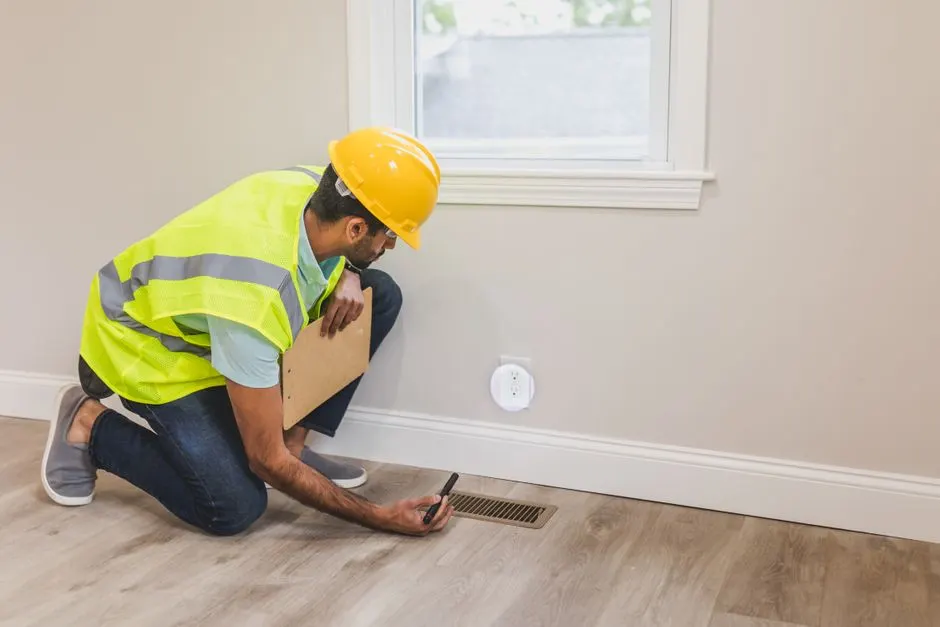
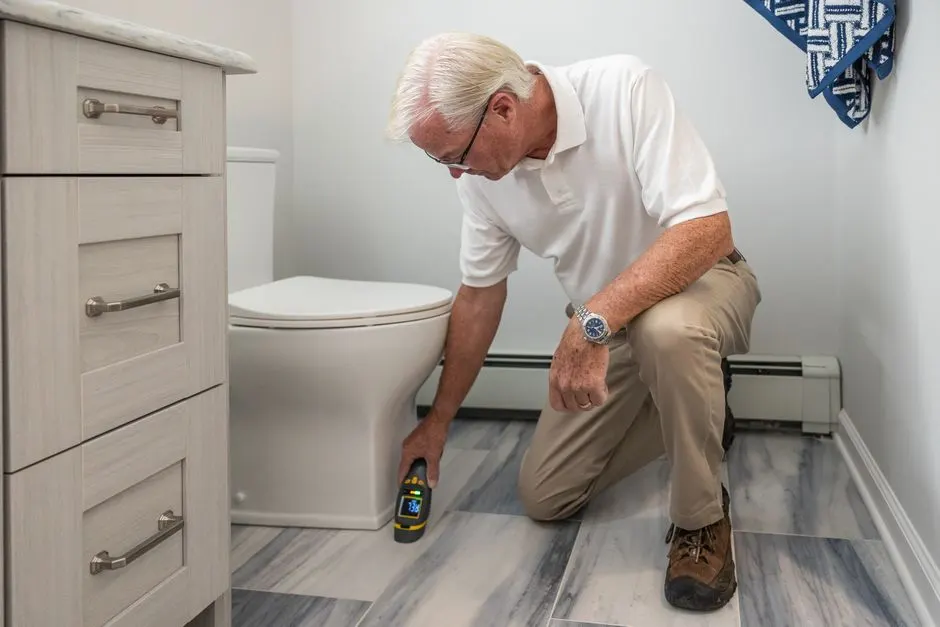
Our Mold Inspection and Testing Downtown Nashville TN service starts with your concern: a musty odor, a leak history, recurring condensation, or visible mold growth. We map the moisture pattern, inspect accessible areas, and use a pin and pinless moisture meter to compare suspect surfaces with nearby dry material. If sampling is useful, we explain which locations and sample types answer the question. You receive findings in a practical report that separates observed conditions, test results, and recommended next steps.

  • Locally licensed and insured in Downtown Nashville
  • Same-day diagnostics and written estimates
  • Real workmanship warranty in writing
  • Background-checked, in-house technicians

Downtown Nashville Mold Inspection Services

Downtown Nashville properties range from compact apartments to multi-floor commercial buildings, and the inspection plan needs to fit the affected area. If you are searching for Mold Inspection and Testing near me in Downtown Nashville TN, tell us whether you have a current leak, a past water event, a musty odor, or visible growth. We match the visit to the concern, inspect accessible spaces, and use sampling when it can clarify conditions. Our service area includes ZIP codes 37201 and 37203 as well as nearby central addresses.

Mold Inspection

Mold Inspection

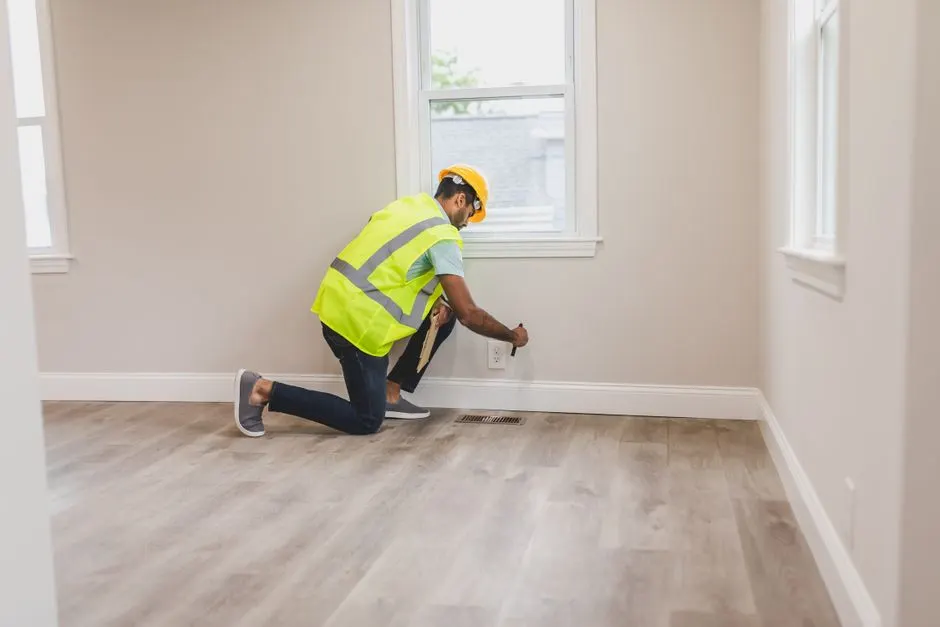
For a Downtown Nashville mold inspection, we trace visible staining, odors, and moisture readings through the affected room and adjoining accessible areas. In Capitol Hill and SoBro properties, we account for renovated finishes and mixed-use layouts, then document what we can directly observe. You get a clear distinction between evidence of moisture and evidence of mold.

View Details
Mold Testing

Mold Testing

Mold testing in Downtown Nashville starts with a question to answer, not a set number of samples. We choose air or surface sampling based on inspection findings, property history, and the locations you are concerned about. Results help characterize sampled conditions; they do not replace a moisture investigation or identify every hidden source.

View Details
Indoor Air Quality Testing

Indoor Air Quality Testing

If a Downtown Nashville office, hotel, or residence has persistent indoor air concerns, we can assess the specific concern and select suitable testing. We discuss HVAC operation, recent cleaning, occupancy, and the timing of symptoms before sampling. That context helps you interpret the result alongside the building inspection instead of relying on a number alone.

View Details
Mold Sampling

Mold Sampling

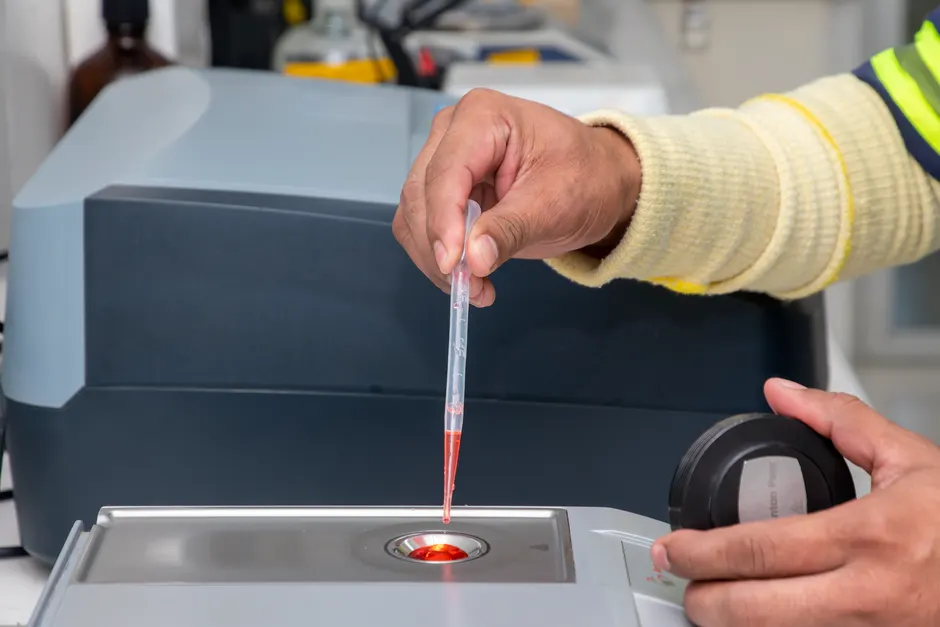
Mold sampling is useful when your Downtown Nashville property needs evidence from a particular surface or air location. We collect samples with appropriate tools, label each location, and document conditions at collection. Samples are sent for analysis where applicable, and the report connects the findings to the inspection rather than presenting lab data without context.

View Details
Airborne Mold Spore Testing

Airborne Mold Spore Testing

For airborne mold spore testing in a Downtown Nashville building, we select sample locations that reflect the concern, such as an occupied room and a comparison area when appropriate. An air sampling pump and spore trap cassette collect a defined sample. We record site conditions so results can be interpreted with the property's moisture history.

View Details
Surface Mold Testing

Surface Mold Testing

Surface testing helps investigate a defined area of suspected growth on drywall, masonry, trim, or another material. In older Downtown Nashville and renovated properties, we choose a method suited to the surface and question. A surface result characterizes the sampled spot; we also look for the moisture condition that allowed growth.

View Details
Bulk Mold Sampling

Bulk Mold Sampling

When a material sample is needed, bulk mold sampling collects a small piece from the affected building material for analysis. We explain the selected location and document the condition before collection. This option can help clarify a specific material concern in a Downtown Nashville property, particularly when a stain or suspected growth is not conclusive by sight alone.

View Details
Mold Clearance Testing

Mold Clearance Testing

After remediation at a Downtown Nashville property, clearance testing checks the agreed areas for visible residue, remaining moisture concerns, and sampling results when specified. We coordinate the inspection around the completed work and document the conditions observed. The purpose is to provide an independent assessment of the tested areas, not to guarantee conditions in every concealed space.

View Details
Post-Remediation Verification

Post-Remediation Verification

Post-remediation verification gives you a documented check after mold cleanup in a condo, office, hotel, or other Downtown Nashville building. We review the remediation area, look for visible dust or remaining moisture, and perform sampling when the verification plan calls for it. You receive findings tied to the specific rooms and surfaces inspected.

View Details
Mold Assessment and Reporting

Mold Assessment and Reporting

Our mold assessment and reporting service records the Downtown Nashville property's moisture observations, accessible inspection areas, sample locations, and results. We organize the findings so owners, occupants, property managers, or transaction participants can see what was observed and what needs attention. The report focuses on the inspected property and does not make unsupported claims about unexamined areas.

View Details
Moisture Inspection

Moisture Inspection

Moisture inspection focuses on finding damp materials and conditions that can support mold growth. We check suspect walls, ceilings, floors, and accessible building components at your Downtown Nashville property, comparing readings with nearby materials. This is especially useful after a leak or when recurring condensation appears in a renovated or older structure.

View Details
Water Intrusion and Leak Investigation

Water Intrusion and Leak Investigation

If water entered a Downtown Nashville property through a roof, plumbing line, window, or lower-level wall, we trace the visible moisture pattern and inspect accessible materials. River-adjacent areas may face water intrusion concerns during high-water events, but each property requires its own evidence-based assessment. We document suspect areas and identify where further repair investigation is needed.

View Details
Hidden Mold Investigation

Hidden Mold Investigation

A persistent odor or repeat stain can point to hidden mold behind walls or finishes. We inspect the accessible side first, use moisture readings, and consider a borescope inspection camera where a small opening offers useful evidence. For Downtown Nashville buildings with layered renovations, the goal is to narrow the likely source before recommending any targeted access.

View Details
HVAC Mold Inspection

HVAC Mold Inspection

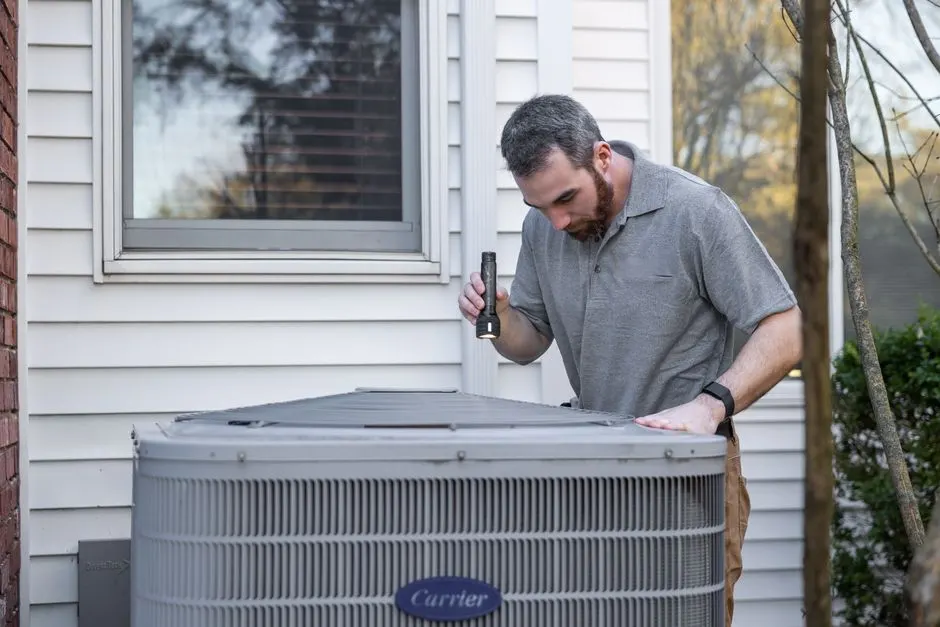
Our HVAC mold inspection looks for moisture conditions and suspected growth around accessible equipment, condensate components, and nearby surfaces. Downtown Nashville offices and multifamily buildings can have complex operating schedules, so we note system status and recent service information. We document observed conditions and recommend sampling only when it addresses a specific concern.

View Details
Attic Mold Inspection

Attic Mold Inspection

In Downtown Nashville homes and smaller residential buildings, attic inspection checks for staining, damp sheathing, ventilation concerns, and possible roof leaks. We distinguish suspected attic mold from dirt or discoloration and record moisture conditions. Recent rain, roof repairs, or winter condensation history helps us understand the pattern without assuming a cause from appearance alone.

View Details
Crawl Space Mold Inspection

Crawl Space Mold Inspection

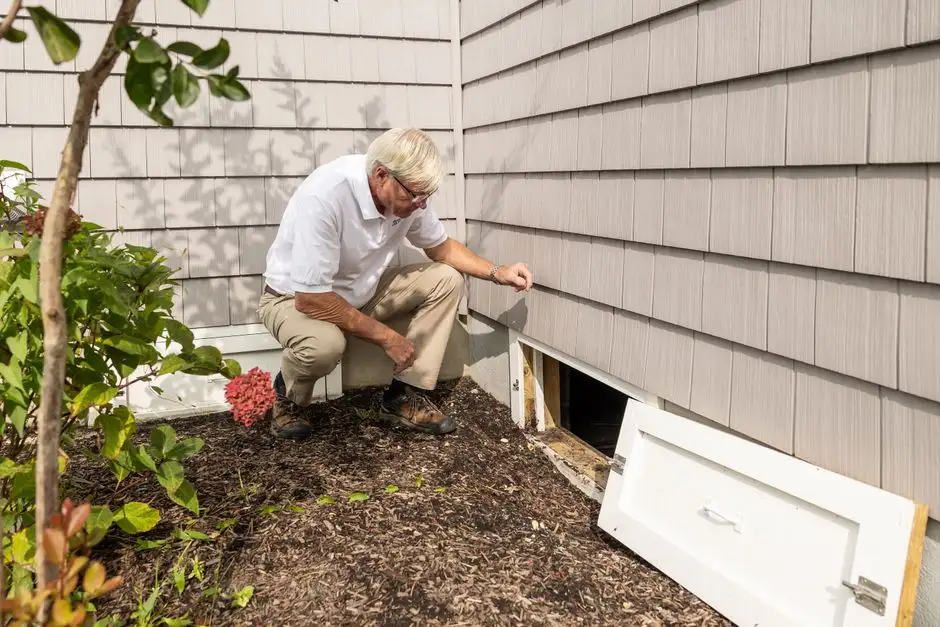
Where a Downtown Nashville home has an accessible crawl space, we inspect for damp materials, musty odors, and visible growth associated with crawl space mold from damp conditions. Access and safe working conditions shape the inspection. We document the areas reached and connect findings to moisture observations rather than making claims about inaccessible sections.

View Details
Basement Mold Inspection

Basement Mold Inspection

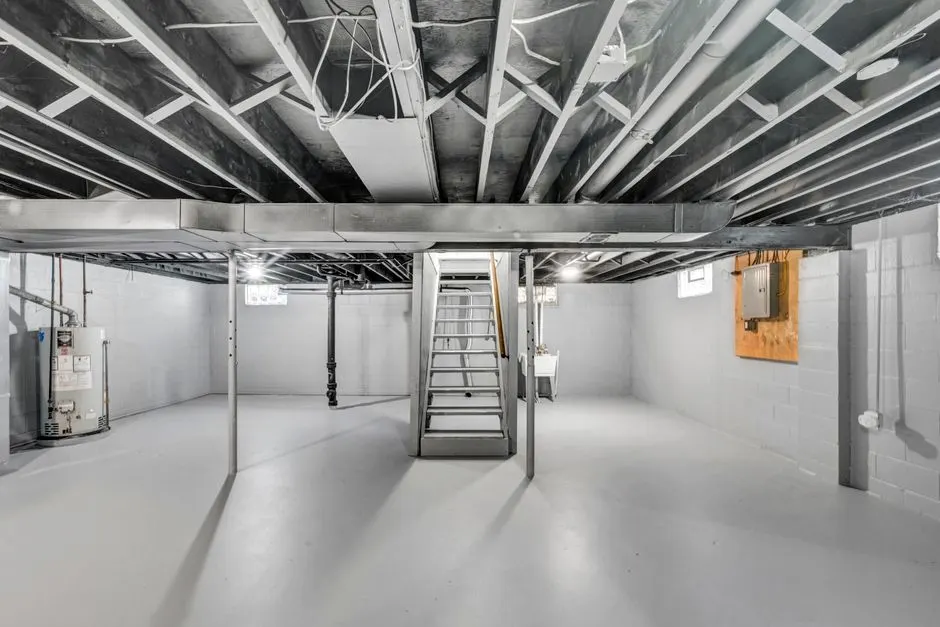
Basement mold inspection addresses lower-level odors, water marks, and concerns after water intrusion in Downtown Nashville properties. We assess accessible walls, floor edges, stored-material zones, and moisture readings. If a prior event affected the basement, dates and cleanup details help us distinguish an active moisture issue from an older, dry stain.

View Details
Commercial Mold Inspection and Testing

Commercial Mold Inspection and Testing

Commercial mold inspection and testing in Downtown Nashville is organized around the building's occupied spaces, access controls, and operating schedule. We can assess an office, hotel, or mixed-use property by floor or affected zone, recording room conditions and sample locations. This keeps findings usable for facilities staff and property decision-makers.

View Details
Residential Mold Inspection and Testing

Residential Mold Inspection and Testing

For a Downtown Nashville residence, we inspect the rooms you identify and follow moisture indicators into accessible adjoining areas. A residential mold assessment near Downtown Nashville can address odors, visible growth, leak history, or concerns before a purchase. We explain what sampling can answer and provide findings in straightforward language.

View Details
Real Estate Mold Inspection

Real Estate Mold Inspection

Real estate mold inspection helps buyers, sellers, and owners document a specific mold or moisture concern before a transaction. We focus on the property condition, accessible inspection areas, and any agreed sampling in Downtown Nashville. Share known leaks, repairs, and occupancy details so the report reflects the relevant history and conditions observed.

View Details

Common Downtown Nashville Mold Problems

Downtown Nashville combines humid summers, older masonry, renovated interiors, and a dense mix of offices, hotels, and multifamily properties. Those conditions do not automatically mean a building has mold, but they make it important to investigate recurring moisture rather than judge by appearance alone. Older masonry and renovated structures can have varied moisture behavior, while river-adjacent areas may face water intrusion concerns during high-water events. Downtown Nashville Mold Inspection and Testing checks the actual property conditions, including leak history, ventilation, and accessible materials, before we recommend sampling.

Hidden moisture behind renovated walls and interior finishes

A renovated wall may cover older materials, repaired plumbing, or a prior leak path. Moisture can move from its source before staining appears on the room side. The building's age or finish alone does not prove a problem, so the location and history of the symptom matter.

Condensation and musty odors during humid summer weather

Warm, humid outdoor air and cool indoor surfaces can produce recurring condensation when temperature and ventilation are not balanced. In offices and multifamily buildings, HVAC schedules and room use can vary by floor. Persistent dampness can contribute to odor or growth on susceptible materials.

Basement or lower-level dampness after water intrusion

A lower-level room can remain damp after water recedes or a leak stops, especially where stored items or finishes limit airflow. River-adjacent areas may face water intrusion concerns during high-water events, but each property's exposure and construction differ.

Attic moisture and staining after roof leaks or winter condensation

Roof leaks can wet attic sheathing, while condensation can develop when warm indoor air reaches cold roof surfaces. A stain may persist after drying, so its appearance alone cannot establish whether active moisture or mold remains. Roof repair history helps clarify the pattern.

When to Call for Mold Inspection

Call for Mold Inspection and Testing in Downtown Nashville when visible growth returns after cleaning, a musty odor persists, or a leak leaves a stain that keeps changing. A new odor near an HVAC supply, recurring condensation on a cold surface, or damp materials after water intrusion also deserves a closer look. If you are searching for airborne mold testing near me in Downtown Nashville, first describe the room, recent cleaning, and ventilation conditions; those details help us decide whether air sampling answers your question or whether moisture inspection should come first.

  • Musty odor returns after cleaning

    A recurring odor can indicate damp material or a concealed source that surface cleaning did not reach. Note the room, time of day, and whether the odor changes with HVAC operation. If the smell persists for several days or follows a leak, an inspection can help locate the condition before more finishes are affected.

  • Ceiling stain grows after rain

    A stain that spreads or darkens after rain can point to a roof or exterior water path, though appearance alone cannot identify the source. Photograph the edge and note when it changes. If the ceiling is soft, actively wet, or sagging, address the immediate water concern and arrange an inspection of accessible materials.

  • Condensation keeps forming on surfaces

    Repeated moisture on windows, cold pipes, or exterior-facing surfaces can keep nearby materials damp. Downtown Nashville's humid summers can contribute to condensation indoors, especially when ventilation or temperature control is uneven. A hygrometer reading and moisture checks help establish whether the pattern is localized or widespread.

  • Visible mold growth returns quickly

    If visible mold growth returns after wiping, the moisture source may remain active or affected material may extend beyond the cleaned surface. Avoid painting over the area. We inspect the material and nearby conditions, then recommend sampling only if it helps answer a specific identification or documentation question.

  • Odor starts after HVAC operation

    An odor that appears when heating or cooling starts can involve dampness near accessible HVAC components or a room condition affected by airflow. Record which rooms are involved and when the system runs. We inspect accessible areas and consider targeted testing if the observed conditions and history support it.

Downtown Nashville Landmarks and Access

We use established landmarks as orientation points when confirming a Downtown Nashville address, not as claims about service at the landmark itself. The Tennessee State Capitol and Bicentennial Capitol Mall State Park help orient the northern side of the central area, while Ryman Auditorium and the Country Music Hall of Fame and Museum are recognizable references farther south. Nissan Stadium sits across the Cumberland River from the downtown core. For an inspection, your exact building address, entry instructions, and parking or loading details remain the useful directions.

Ryman Auditorium

Ryman Auditorium is a recognizable downtown orientation point near the central entertainment district. It helps distinguish nearby streets when confirming an address, but the inspection destination is always the customer's specified property.

Nissan Stadium

Nissan Stadium is located across the Cumberland River from much of the downtown core and serves as a clear geographic reference. We use the customer's exact address to plan the final approach and do not infer property conditions from proximity.

Bicentennial Capitol Mall State Park

Bicentennial Capitol Mall State Park sits near the Tennessee State Capitol and offers a useful reference for the north end of downtown. It helps orient route planning; it does not indicate a reason for mold or moisture inspection.

Tennessee State Capitol

The Tennessee State Capitol is a prominent landmark on Capitol Hill and a practical reference when locating nearby central addresses. We confirm the property entrance and access instructions separately before the inspection.

Coverage across Downtown Nashville & Davidson County

370273713837076370723720337206372013708037218372193721637217372143721537212372133721037211371893723237238372093720837205

Plus surrounding Davidson County neighborhoods, with same-day routing on most appointments.

Seasonal Mold Inspection in Downtown

As November gives way to winter, cooler surfaces and indoor heating can reveal condensation or attic moisture that was less obvious in warmer months. In Downtown Nashville, humid summers can contribute to condensation and indoor moisture, while spring storms and high-water events call for attention to new leaks or lower-level wetting. If you need mold testing services in Downtown Nashville, Nashville, tell us when the condition began and whether it changes with weather or HVAC use. That timeline helps focus the inspection in any season.

Spring

Spring rain can make roof, window, and exterior water paths easier to notice, while a recent leak may leave damp drywall or flooring after the visible water is gone. Check lower-level rooms and ceilings after storms, and record any new staining before it changes.

Tip: If a stain grows or materials remain wet, contact us promptly. Keep a simple note of rainfall, leak timing, and cleanup; that history helps us distinguish a new intrusion from an older dry mark.

Summer

Humid summer air can contribute to condensation on cool surfaces and recurring indoor moisture, especially where HVAC operation varies by room or floor. Musty odors may become more noticeable when cooling starts or when a closed space is reopened.

Tip: Watch for repeated condensation rather than a single brief episode. If dampness returns, note the surface, room temperature, and HVAC schedule so our inspection can focus on the likely moisture pattern.

Fall

Fall brings changing outdoor temperatures and more closed-window operation, which can shift indoor humidity and airflow. Roof and attic concerns after seasonal rain can also show up as new marks or odors. Check repaired areas again after weather changes.

Tip: Before colder weather, address known roof or plumbing leaks and keep stored items away from damp walls. If an odor or stain persists, schedule an inspection while the condition is still easy to locate.

Winter

Cooler exterior surfaces and heated indoor air can contribute to condensation at windows, exterior walls, and attic surfaces. In older or renovated Downtown Nashville buildings, the pattern can vary by room and construction. A dry-looking finish does not rule out moisture behind it.

Tip: Use a hygrometer to track indoor humidity and note where condensation appears. If attic staining, musty odor, or damp material continues, ask us to inspect the affected area and check accessible moisture conditions.

Downtown Nashville Mold Inspection FAQs

Real answers from our team for the questions we hear most often before a job starts.

How much does Mold Inspection and Testing cost in Downtown Nashville?
A focused visit commonly costs $180-$450, while a larger assessment with multiple samples may range from $350-$900 or more in 2026. Price depends on property size, access, sample count, and laboratory analysis. For Mold Inspection and Testing in Downtown Nashville, we explain upfront pricing based on the areas you want assessed. A standard visit often takes 1.5 to 3 hours; lab results commonly take 2 to 5 business days after sample receipt.
Where can I find mold testing near me in Downtown Nashville?
Nashville Mold Testing serves Downtown Nashville, including SoBro, Capitol Hill, Rutledge Hill, and Rolling Mill Hill. Call +18668968166 to discuss the property address and the concern, whether it is visible growth, a musty odor, or a history of water intrusion. Our mold testing company serving Downtown Nashville, Nashville, selects air or surface sampling when it fits the inspection findings and your question.
How quickly can a mold inspector visit Downtown Nashville?
Same-day visits are available when the route and building access allow, so call +18668968166 to ask about the next opening. Tell us whether the property is a residence, office, or managed building and whether entry requires check-in. For same-day mold inspection in Downtown Nashville, also describe active water, the affected floor, and any immediate access restrictions so we can plan the visit.
What does a mold assessment include in Downtown Nashville?
A mold assessment includes a review of your concern and property history, an inspection of accessible affected areas, moisture checks, and sampling when findings support it. We document observed conditions and sample locations in a report. A residential mold assessment near Downtown Nashville can focus on a room or expand to accessible adjoining areas, depending on the symptoms and agreed inspection plan.
When should a property in Downtown Nashville be tested for mold?
Arrange testing when visible growth returns, a musty odor persists, materials remain damp after a leak, or post-remediation verification is needed. Testing is most useful when an inspection identifies a specific question that a sample can answer. If you suspect airborne mold testing near me in Downtown Nashville is needed, share recent cleaning, HVAC operation, and the rooms involved so we can choose suitable sample locations.

Book Mold Inspection and Testing in Downtown Nashville

If a musty odor, visible growth, or leak history is keeping you from making a clear decision, call Nashville Mold Testing at +18668968166. We inspect homes and commercial properties across Downtown Nashville and Davidson County, including ZIP codes 37201, 37203, and 37219. Tell us what you noticed and where it is; we will help arrange the next available inspection and explain the appropriate testing options. Call now to schedule.

Call for Inspection Send a Message

Contact Nashville Mold Testing

Tell us what you have noticed, where it is happening, and whether a leak or cleanup has already occurred. Call +1 866-896-8166 during regular business hours, Monday through Friday, 8 a.m. to 6 p.m. Central Time. We will discuss the concern, explain the inspection options, and help you take the next practical step.

Or call us right now at +18668968166 — we answer.

Nashville Mold Testing


  • Phone

    +18668968166
  • Address

    Nashville, Tennessee

  • Hours

    Mon–Fri: 7AM – 7PM
    Sat: 8AM – 4PM
    Sun: Emergency Only
    24/7 Emergency Available

Call +18668968166 Get Quote
Call Quote