Logo
Get Estimate

Water Intrusion and Leak Investigation Nashville TN

Find the entry point before hidden moisture spreads


Water Intrusion and Leak Investigation Nashville TN helps homeowners and property managers find where water is entering, how far moisture has traveled, and what needs attention next. Our team investigates roof, plumbing, foundation, window, and drainage concerns with targeted instruments instead of guesswork. If you see staining, damp materials, or a musty odor, a Nashville water intrusion investigation can help clarify the source before repairs or mold concerns grow.

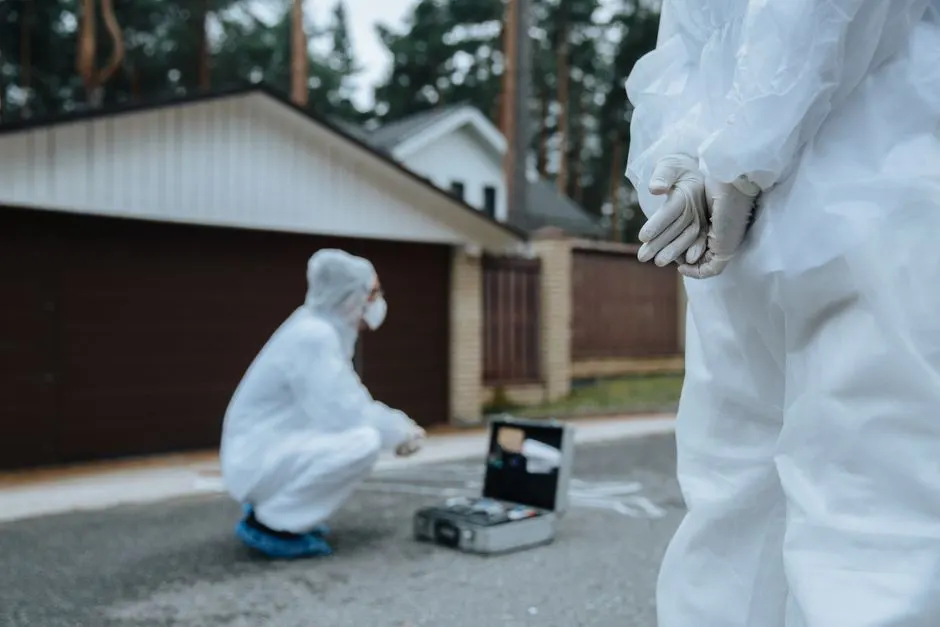
Forensic investigators in white suits and masks examining a crime scene outside a residential area.
Licensed Licensed & Bonded
Fully Insured Insured & Bonded
24/7 Emergency Same-Day Response
Warranty Backed Workmanship Guaranteed in Nashville

What the Investigation Includes

Water intrusion and leak investigation covers a visual review, targeted moisture measurements, and examination of accessible building areas that could explain the reported water. We document evidence and discuss likely next steps. Laboratory mold sampling, plumbing pressure testing, repairs, and opening finished walls are separate services when needed; we explain the purpose and price before adding them.

History and Visual Review

We record when the issue appeared, whether it follows rainfall or plumbing use, and what has already been repaired. Then we inspect visible stains, material changes, fixtures, roof-accessible areas, and exterior transitions connected to the symptoms.

Targeted Moisture Readings

We measure suspect materials and nearby comparison areas to map where readings change. The comparison helps distinguish a localized wet area from a broader humidity issue and gives you useful locations to share with a repair contractor.

Accessible Source Checks

We inspect accessible roof, window, plumbing, HVAC, and foundation features that fit the reported pathway. Where a concealed cavity requires closer viewing, we discuss whether limited borescope inspection is practical and appropriate.

Findings and Next Steps

We review observed conditions, the source most consistent with the evidence, and recommended follow-up. If mold sampling or a separate trade test would answer a remaining question, we explain what it establishes and how it relates to the leak.

Water Intrusion and Leak Investigation Nashville TN


Water Intrusion and Leak Investigation Nashville TN is a building moisture diagnostic service that traces water entry and concealed dampness when a leak, storm, or recurring stain has no obvious source. We inspect the affected area, compare moisture readings across nearby materials, and follow likely pathways from roof assemblies, plumbing lines, windows, exterior walls, and foundations. An Infrared thermal imaging camera helps identify temperature patterns that warrant closer checking, while a Pin and pinless moisture meter measures materials directly. The goal is a documented source and a practical next step, not a guess based on a ceiling mark.

Nashville's humid summers, strong rain events, and mix of older homes and newer commercial buildings create different routes for water to travel. A roof flashing defect can wet insulation without marking the ceiling; a plumbing leak can follow a joist and appear several feet away. Our building water leak assessment Nashville TN service checks likely pathways and affected materials. If you need to trace a hidden water leak in a Nashville home, we start with the reported timing, weather, plumbing use, and visible changes, then focus the inspection where those clues point.

What to Expect During Inspection

Nashville water intrusion investigation follows a clear sequence, from your first description to a walkthrough of findings. We ask when the water appeared, whether it followed rain or plumbing use, and what has already been repaired. Most focused visits take about 1.5 to 3 hours; larger or multi-area properties require more time.

01

Schedule

Call or book online — a real human picks up and confirms a 2-hour arrival window.

02

Diagnose

Licensed tech inspects on-site, then walks you through the cause and your options.

03

Fix

The job is completed to code and done right the first time — no shortcuts, no surprises.

04

Guarantee

Every job backed by a written workmanship warranty — and we stand behind it.

Tools and Field Methods

Tools & Equipment

FLIR Infrared thermal imaging camera

We scan for temperature patterns that may indicate an area needing closer moisture checks. Thermal images guide the inspection but do not confirm water by themselves, so we verify relevant findings with direct measurements.

Tramex moisture meter

A Pin and pinless moisture meter checks suspect building materials with minimal surface disruption. We compare readings in the affected area and reference locations to understand the extent and direction of a moisture pattern.

Borescope inspection camera

A borescope provides a limited view inside an accessible cavity through a small opening. We use it when visual confirmation could help narrow the investigation, and we discuss access needs before making any opening.

Hygrometer

We record indoor relative humidity and temperature to interpret material readings and assess whether condensation could contribute to dampness. The instrument provides context; it does not identify a leak source alone.

Air-O-Cell Spore trap cassette

When a separate mold sampling question is warranted, an air sampling pump and Spore trap cassette can collect an air sample for laboratory analysis. Sampling is an add-on to water tracing, not a substitute for locating the entry point.

Methods & Standards

Comparative moisture mapping

We measure the reported location and nearby materials, then compare those values with areas that appear unaffected. This creates a simple map of where moisture is concentrated. A pattern can guide source checks, but we interpret readings alongside material type, surface condition, temperature, and building layout.

Pathway-based inspection

We start with the symptom and follow plausible water routes through the building. Rain-related stains prompt checks of roof edges, penetrations, windows, and exterior drainage; plumbing-related patterns prompt checks around fixtures and accessible lines. The sequence keeps the visit focused while allowing evidence to change the working theory.

Thermal scan with verification

Thermal imaging highlights temperature differences that may correspond with wet materials, air leakage, or other conditions. We verify relevant spots with a moisture meter and visual inspection instead of treating a color image as a diagnosis. This two-step method helps avoid false conclusions from sunlight, HVAC airflow, or surface temperature.

Documented sampling when indicated

If a separate microbial question remains, we explain a suitable sampling option and collect with appropriate materials, such as Surface swabs or sterile sample bags. Samples are identified by location and handled with Chain-of-custody forms when laboratory submission is required. Sampling answers a defined question; it does not replace repair of water entry.

When to Investigate Water Entry

01

A Nashville homeowner notices a ceiling ring expanding after a night of heavy rain.

What we do: We check the room, accessible attic conditions, and roof-related transitions that align with the stain. Moisture readings help determine whether materials remain wet, while the reported timing helps distinguish storm entry from a plumbing leak. We document the area for the repair contractor.

02

A homeowner finds damp flooring beside a water heater, but the tank and visible fittings look dry.

What we do: We inspect accessible plumbing connections and nearby materials, tracing whether water appears to travel from the appliance, wall, or another room. We compare readings around the affected floor and record the likely direction so a plumber can test the right line or fitting.

03

A Downtown Nashville manager sees recurring moisture near windows after wind-driven rain.

What we do: We inspect affected offices and accessible window and wall transitions, then compare readings across the perimeter. Our notes identify the locations and conditions associated with the moisture, helping building maintenance prioritize exterior repairs without treating every window as a separate failure.

04

A buyer sees an old basement stain and wants to know if it is still active.

What we do: We inspect the stained materials, compare current readings with nearby areas, and consider foundation and plumbing clues. If conditions are dry during the visit, we explain what that observation establishes and what weather-related follow-up could help confirm the history.

How We Investigate Nashville Properties

Nashville water entry follows the building, not the room where the stain appears. Heavy rainfall can expose roof flashing, window transitions, foundation drainage, or low points around older homes; water may then travel along framing before showing indoors. Humid summer air also makes condensation a real competing cause, especially around supply vents, attic surfaces, and crawl spaces. We check the building materials and surrounding conditions before calling a source. In older properties, previous repairs and layered finishes can hide the route; in renovated commercial spaces, ceiling systems and shared plumbing lines add complexity. Our building water leak assessment Nashville TN uses the reported timing, site layout, and measured moisture pattern to guide accessible checks. If you need to schedule a water intrusion inspection in Nashville TN after a storm, keep the affected area open and note when water first appeared. We serve Davidson County, including 37203, 37206, and 37027, and explain when a roofer, plumber, or drainage contractor should take the next step.

Neighborhoods We Serve

  • East Nashville

    Older homes and renovations can leave multiple roof layers or patched exterior transitions. We compare the reported stain with accessible attic and wall conditions before narrowing the likely entry route.

  • The Gulch

    Multi-story buildings and shared systems complicate leak tracing. We document affected suites and levels so property teams can distinguish a local fixture issue from water traveling from above.

  • Green Hills

    Larger homes may have several roof planes, additions, and long plumbing runs. We use the symptom location and moisture pattern to prioritize likely sources rather than checking every assembly equally.

  • 12 South

    Renovated homes can combine older framing with new finishes. A small ceiling mark may sit far from its entry point, so we compare adjacent materials and accessible spaces.

Local Conditions We Plan For

  • Heavy autumn and winter rain tests roof edges and exterior drainage.

    Water can enter at flashing, valleys, windows, or foundation transitions and move before it becomes visible. We ask when the stain appeared relative to rainfall and check the accessible portions of the likely pathway.

  • Warm, humid months increase condensation on cool building surfaces.

    Dampness near vents or cold pipes can resemble a plumbing or exterior leak. We measure indoor humidity and material conditions, then compare the pattern with HVAC operation before recommending a source-specific repair.

  • Mixed-age buildings hide repairs behind newer finishes.

    A remodeled wall or ceiling may conceal the original route or complicate access. We use non-invasive measurements first and explain when a contractor must open a finish to confirm the pathway.

Recurring Roof-Stain Investigation

Before

A Nashville homeowner repainted a bedroom ceiling twice, but a brown ring returned after each strong storm. The visible spot measured about 18 inches across, and the attic insulation above it felt damp in one section. No one had compared the ceiling location with roof transitions or documented where moisture increased.

After

Our inspection found the strongest readings near an accessible roof transition, with lower readings across the rest of the ceiling. We photographed the pattern and explained the likely pathway for the roofer. After the repair and drying, the owner reported no new stain through the next two rain events.

Maintenance: Keep gutters and roof drainage clear, and check the ceiling after major rain. If a new mark appears, photograph it before repainting and note the weather. A prompt comparison can show whether the repaired area remains dry.

Before

A basement storage room developed a musty smell and damp lower wall after repeated storms. The owner suspected a plumbing leak because the affected area sat near a utility space, but no fixture showed visible dripping. Boxes were stored against the wall, masking the full extent of the damp materials.

After

We moved the inspection focus to the wall and nearby foundation conditions, recorded elevated readings along one section, and found no matching moisture pattern around the accessible plumbing. The owner received a documented location for drainage follow-up and cleared the wall for drying and monitoring.

Maintenance: Keep stored items several inches from basement walls and check the area after rain. Maintain clear discharge paths for roof runoff. If readings or odors return, compare the same locations rather than relying on the appearance of a freshly painted surface.

Before

A small office suite near Downtown Nashville had wet carpet at two windows after wind-driven rain. Staff placed towels down, but the water returned and the source was unclear. The manager needed to understand whether the issue affected one window or the broader exterior wall before arranging repairs.

After

We compared moisture readings at the two window lines and nearby interior wall, identifying one concentrated area rather than a uniform perimeter issue. The findings gave building maintenance a specific transition to inspect. The affected carpet was lifted for drying, and no new wet area appeared during the following monitored rain period.

Maintenance: Keep window tracks clear and report water promptly, especially after wind-driven storms. Record which openings are affected and whether wind direction changes the pattern. Early documentation makes future comparisons more reliable and helps maintenance target the correct exterior detail.

Stop Chasing Recurring Water Problems

Repeated repairs fail when the visible damage is mistaken for the entry point. We follow moisture patterns and building details to narrow the cause, so you can direct repair work to the right area. These common Nashville problems benefit from a measured investigation.

Problem

A ceiling stain returns after each hard rain.

Water can keep wetting insulation or framing above the ceiling, increasing material damage and creating conditions that support visible mold growth.

Our Fix

We inspect the room and accessible attic or roof-related areas, compare moisture readings, and look for a path consistent with the timing of rainfall. Our findings help your roofer focus on the relevant transition, flashing, or penetration rather than patching the interior stain alone.

Problem

A wall smells musty but looks dry.

Moisture can remain behind finishes after the surface dries, and the odor may persist if a plumbing or exterior leak continues unseen.

Our Fix

We check the wall and nearby materials with moisture instruments, consider adjacent fixtures and exterior exposure, and use limited borescope viewing when it is appropriate. If evidence suggests hidden mold behind walls, we explain the next investigative or sampling step without presenting odor alone as proof.

Problem

Basement dampness appears after storms.

Repeated seepage can damage stored items, flooring, and lower wall materials, while unresolved dampness may contribute to basement mold after water intrusion.

Our Fix

We map damp areas and examine accessible foundation conditions, plumbing routes, and nearby drainage clues. The inspection separates likely rain-related entry from a fixture leak or indoor humidity concern, giving you a practical starting point for drainage correction and drying.

Problem

A commercial suite has wet flooring without a clear source.

Unresolved water can affect adjoining rooms, interrupt occupancy, and complicate responsibility between tenants, building systems, and exterior maintenance.

Our Fix

We document affected rooms, compare readings across the suite, and check accessible plumbing and exterior pathways that fit the pattern. Our commercial water intrusion assessment Nashville helps property managers direct the next inspection or repair while keeping findings organized by location.

Know the Source, Plan the Fix

Know the Source, Plan the Fix

A focused investigation turns a recurring stain or damp smell into a clear set of findings. We show you where readings change, what source is most consistent with the evidence, and which repair or follow-up test fits the problem.

  • Trace Water Pathways

    We compare readings across the affected surface and adjacent materials rather than treating the visible mark as the source. A moisture reading at the baseboard, wall, and ceiling can reveal whether water moved along framing. That direction helps you send the repair to the right trade and avoid opening unrelated areas.

  • Catch Hidden Dampness

    A pinless meter and thermal scan help identify suspect areas before a broad demolition. We verify patterns with direct measurements where access allows. If a wall cavity needs a closer look, a Borescope inspection camera can provide a limited view through a small opening instead of relying on surface appearance alone.

  • Separate Leak From Condensation

    Recurring moisture does not always come from a broken pipe. We consider indoor humidity, cold surfaces, HVAC operation, and exterior water entry, then compare the conditions with measured readings. That distinction matters when you are dealing with condensation around a vent, attic moisture, or a wet basement after rain.

  • Document the Next Step

    You receive findings that connect observed conditions with likely causes and recommended action. If testing for mold is appropriate, we explain the sampling option separately and use suitable collection materials. The investigation gives your plumber, roofer, or building contractor a more specific place to begin.

Training and Inspection Standards

Licensed & Certified

  • ACAC Council-certified Indoor Environmentalist — issued by American Council for Accredited Certification
  • ACAC Council-certified Microbial Consultant — issued by American Council for Accredited Certification
  • IICRC Water Restoration Technician — issued by Institute of Inspection, Cleaning and Restoration Certification
  • IICRC Applied Microbial Remediation Technician — issued by Institute of Inspection, Cleaning and Restoration Certification

Verified Reviews

Customer feedback Not displayed

The inspection connected a recurring wet patch with a specific area near the window instead of blaming the plumbing automatically. The technician explained the moisture readings and showed us what to give the contractor. That made the next repair conversation much more focused.

Customer feedback Not displayed

We had a musty basement after storms and wanted to know whether water was still entering. The team checked the wall and nearby areas, described what the readings meant, and gave us a clear order for drainage work and drying. No pressure to add tests we did not need.

Customer feedback Not displayed

Our office had water near two windows after heavy rain. The findings separated the affected window from the rest of the suite and gave maintenance a practical place to start. The inspection was organized, and the notes were easy to share with our building team.

Practical Diagnostic Expertise

Water intrusion work takes more than spotting discoloration: the investigator must connect building details, moisture readings, weather exposure, and material behavior. Our local experience includes residential and commercial settings across Davidson County, from older masonry and framed homes to renovated interiors and multi-tenant properties. We use a measured approach and explain what each result supports. Where microbial concerns overlap, our team follows relevant EPA mold guidance and recognized assessment principles, while keeping the water-source investigation distinct from mold identification or remediation. You get findings you can use to plan the next trade visit.

  • We compare readings across multiple materials so a single damp spot does not become an unsupported diagnosis.
  • Our inspection considers roof transitions, exterior drainage, plumbing fixtures, windows, HVAC conditions, and below-grade areas.
  • We identify when limited borescope viewing can help and when further access requires a repair contractor.
  • For related microbial concerns, we use documented sampling practices and appropriate chain-of-custody procedures.
  • We explain the difference between observed evidence, likely source, and a confirmed repair diagnosis in plain language.
Get Started Today
Practical Diagnostic Expertise

Questions About Water Intrusion

Real answers to the questions we hear most often from local homeowners and property managers.

How is water intrusion investigated in Nashville?
Water intrusion in Nashville is investigated by reviewing the history, inspecting likely entry points, and comparing moisture readings across affected materials. A focused visit usually takes 1.5 to 3 hours. We may use thermal imaging, a moisture meter, and limited borescope viewing where appropriate. The findings identify observed moisture and the source most consistent with the evidence; plumbing pressure testing or destructive access is separate work.
How much does a hidden water leak assessment cost?
A focused residential assessment commonly costs $250 to $650 in 2026, with larger or complex investigations reaching $850 or more. Cost depends on the number of rooms, access, building size, and whether commercial documentation or additional testing is needed. We explain upfront pricing before the visit. A water entry investigation Nashville customers book for one localized stain costs less than tracing multiple wet areas across several floors.
Who can inspect a home for water entry near me?
Nashville Mold Testing inspects homes for water entry, moisture patterns, and related mold concerns across Nashville and Davidson County. Call +1 866-896-8166 to arrange a visit. If you searched for water intrusion investigation near me in Nashville TN, tell us whether the issue follows rain, plumbing use, or HVAC operation. That detail helps us prepare for the right inspection path.
When should you investigate water intrusion after heavy rain?
Arrange an inspection as soon as you notice active dripping, a new stain, or damp materials; do not wait for the next storm. For a building leak assessment after heavy rain Nashville, Tennessee, document the affected location and date, and keep the area accessible. If water is near electrical equipment or a ceiling is bulging, avoid the area and contact the appropriate emergency trade first.

Related Inspection Services

Mold Inspection

A mold inspection helps determine whether visible growth or musty odors accompany the moisture issue. After water entry is investigated, we assess affected materials and nearby rooms, including concealed areas when accessible. This helps Nashville property owners understand whether the problem is limited to dampness or includes a microbial concern requiring further evaluation.

View Mold Inspection

Mold Testing

Mold testing can add laboratory analysis when the inspection findings and your question call for it. We first consider the water source and affected area, then explain whether air or surface sampling is useful. Testing does not locate a leak by itself, so pairing it with water intrusion findings gives results better context.

View Mold Testing

Indoor Air Quality Testing

If a persistent musty odor or respiratory concern remains after a leak, indoor air quality testing can help evaluate airborne conditions. We review the moisture history and sampling locations before collecting data. The results complement, rather than replace, repair of the water source and drying of affected building materials.

View Indoor Air Quality Testing

Mold Sampling

Mold sampling is appropriate when identifying suspected growth or comparing indoor conditions will answer a defined question. We select a sampling method based on the surface or air concern and document the location. For Nashville customers, investigating water entry first helps avoid treating a sample result as an explanation for the leak.

View Mold Sampling

Airborne Mold Spore Testing

Airborne mold spore testing evaluates collected air samples when an indoor air question warrants laboratory review. We consider room use, outdoor conditions, and moisture history when selecting sampling points. If water has entered a wall or ceiling, leak findings help explain where to focus and what the air result can meaningfully address.

View Airborne Mold Spore Testing

Surface Mold Testing

Surface mold testing collects material from a visible area for analysis when identification is useful. It can support an investigation of staining after a roof, window, or plumbing leak. The sample does not identify the source of water, so we pair it with moisture observations and recommend correcting the entry pathway.

View Surface Mold Testing

Book Water Intrusion and Leak Investigation Nashville TN

A recurring stain, damp wall, or post-storm odor deserves a source check before repairs spread. Our team serves Nashville, TN, and investigates residential and commercial moisture concerns. Call Nashville Mold Testing at +1 866-896-8166 to schedule your inspection.

Call Today Schedule Inspection

Contact Nashville Mold Testing

Tell us what you have noticed, where it is happening, and whether a leak or cleanup has already occurred. Call +1 866-896-8166 during regular business hours, Monday through Friday, 8 a.m. to 6 p.m. Central Time. We will discuss the concern, explain the inspection options, and help you take the next practical step.

Or call us right now at +18668968166 — we answer.

Nashville Mold Testing


  • Phone

    +18668968166
  • Address

    Nashville, Tennessee

  • Hours

    Mon–Fri: 7AM – 7PM
    Sat: 8AM – 4PM
    Sun: Emergency Only
    24/7 Emergency Available

Call +18668968166 Get Quote
Call Quote