
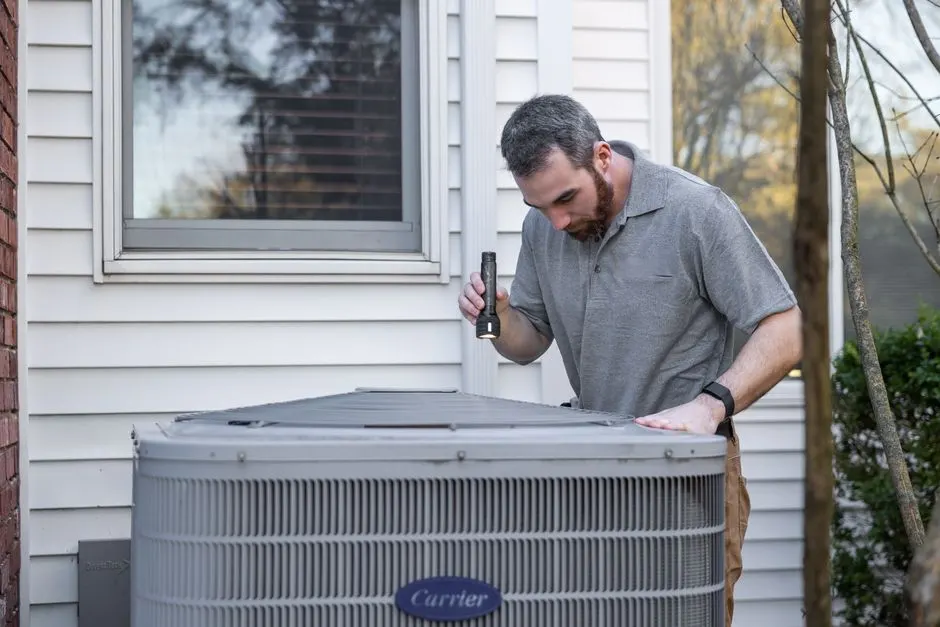
Symptom And System Review
We record when the odor occurs, which rooms are affected, and any known leak, overflow, or service history. You can show us the filter, mechanical closet, or problem register so the inspection follows the actual concern.
HVAC Mold Inspection Nashville TN includes a review of the reported symptoms, accessible equipment and air-path components, moisture conditions, and a clear summary of findings. We discuss targeted sampling when it can answer a defined question. The inspection does not repair equipment or expose sealed components; if access or HVAC service is needed, we identify that next step so you know what remains to be checked.
We record when the odor occurs, which rooms are affected, and any known leak, overflow, or service history. You can show us the filter, mechanical closet, or problem register so the inspection follows the actual concern.
We examine visible portions of the air handler, filter housing, drain pan, condensate area, and accessible duct openings. We note staining, debris, moisture, or visible growth and identify components that cannot be seen without equipment access.
We use a hygrometer and moisture meter at relevant locations, recording conditions that may explain recurring dampness. Readings are interpreted with the material and site conditions in mind, not presented as a stand-alone mold diagnosis.
When warranted, we collect air or surface samples using clean collection materials and label each location. Samples are sent for analysis when requested, with handling documented so results can be connected to the inspection findings.
You receive a summary of observed conditions, access limitations, measurements, and sample results when applicable. We identify whether the next step is moisture correction, HVAC servicing, additional access, or further assessment of nearby building materials.
HVAC Mold Inspection Nashville TN is a building assessment that checks heating and cooling equipment and related air pathways for visible fungal growth, moisture, and conditions that can move spores indoors. We examine accessible coils, drain pans, blower compartments, filter areas, and duct openings, then use moisture readings and targeted sampling when appropriate. The goal is to connect observed conditions with a likely moisture source, not to diagnose health symptoms. You receive findings that distinguish confirmed observations from areas that need further access or laboratory analysis.
Nashville's humid summers, damp shoulder seasons, and wintertime condensation can leave air handlers and drain lines persistently wet. Renovated homes, older ductwork, and tight mechanical closets can complicate airflow and inspection access. Our Nashville HVAC mold inspection is useful after a leak, repeated condensate overflow, or a musty odor that returns when the system runs. If you need to inspect air ducts for mold in a Nashville home, we first check the accessible system and moisture conditions so sampling answers a specific question.
HVAC Mold Inspection Nashville TN follows a practical sequence: discuss the concern, examine the system, measure moisture, and decide whether sampling will answer an open question. Most residential visits take about 1.5 to 3 hours, depending on access, equipment count, and the number of affected areas.
Schedule
Call or book online — a real human picks up and confirms a 2-hour arrival window.
Diagnose
Licensed tech inspects on-site, then walks you through the cause and your options.
Fix
The job is completed to code and done right the first time — no shortcuts, no surprises.
Guarantee
Every job backed by a written workmanship warranty — and we stand behind it.
Infrared thermal imaging camera
We use FLIR thermal imaging to identify temperature differences that deserve a closer moisture check. A thermal image is a screening aid, not proof of mold or a substitute for direct measurement.
Pin and pinless moisture meter
Tramex or Protimeter moisture meters help compare suspect materials with nearby areas. We record where readings are taken and interpret them alongside material type, visible staining, and current conditions.
Borescope inspection camera
A borescope can view limited concealed spaces through an existing opening when access is appropriate. It helps us document what is visible without claiming that every hidden duct or wall cavity has been inspected.
Air sampling pump and cassette
A calibrated air sampling pump draws a measured air volume through a spore trap cassette. We document sample location and relevant conditions, then submit samples for laboratory analysis when selected.
Surface swab kit
A sterile surface swab collects material from a specific suspect area. We label and document the location so the result can be considered with visible growth, moisture readings, and the surrounding HVAC conditions.
Accessible-system visual assessment
We inspect components that can be viewed without dismantling sealed HVAC equipment, including the filter area, drain pan, accessible coil surfaces, grilles, and duct openings. Findings are tied to locations and separated from assumptions about concealed areas.
Moisture pathway review
We follow signs of water from the air handler and condensate route into nearby materials. Meter readings, temperature observations, and visible staining help distinguish an active moisture concern from a dry historic mark that needs no further action.
Targeted sampling and documentation
Sampling is selected to answer a defined question, with collection location and sample type recorded. We use clean materials and chain-of-custody forms when applicable, and interpret laboratory results alongside the inspection rather than in isolation.
Building assessment guidance
We use EPA mold guidance and ASTM D7338 standard guide for assessment of fungal growth in buildings as relevant references for inspection practice. The standards guide assessment; they do not replace site-specific judgment or identify a health outcome.
01
What we do: We inspect the accessible air handler, drain pan, filter area, and nearby surfaces, then measure relevant moisture conditions. If a sampling result would help answer a specific question, we explain the location and collection method before proceeding.
→ You learn whether the concern is linked to a visible or damp area and which HVAC or building trade should address the next step.
02
What we do: We document the wet area, inspect accessible materials around the equipment, and look for related staining or visible growth. We distinguish active moisture from an older mark and provide findings you can use when the drain line is serviced.
→ The repair conversation starts with identified locations and moisture evidence, not a guess based only on odor.
03
What we do: We map the reported rooms to the relevant equipment, check accessible components, and keep observations organized by unit. A commercial air handler mold inspection near Downtown Nashville can include targeted sampling when the facility question requires it.
→ Facility staff receive findings tied to a particular system and can prioritize follow-up without treating every zone as affected.
04
What we do: We inspect accessible grille and nearby surfaces, check moisture conditions, and review the HVAC area for related signs. If concealed ductwork or sealed components remain inaccessible, we document that clearly and outline what additional access would answer.
→ The buyer and seller have a factual account of visible conditions and a practical basis for deciding on further evaluation.
HVAC Mold Inspection Nashville TN accounts for long humid periods, heavy cooling demand, and winter temperature swings that can create condensation on cold surfaces. Nashville homes range from older houses with retrofitted ductwork to newer, tightly sealed construction; access and airflow differ from one property to the next. We check whether a reported odor follows system operation, whether the condensate route is draining, and whether nearby materials show active moisture. For heating and cooling system mold assessment Nashville, Tennessee, we record equipment and affected-room locations so results remain useful to your HVAC contractor. After storms or roof leaks, attic ducts and insulation deserve attention if indoor odors change. We serve Davidson County and neighborhoods throughout the city, including service ZIP codes 37203, 37206, and 37027. Our inspection reports describe observed conditions and practical follow-up without treating a building assessment as an HVAC repair or code inspection.
East Nashville
Older homes and additions can have mixed duct layouts or mechanical closets with limited clearance. We document accessible areas and identify where equipment configuration restricts the view.
The Gulch
Multi-unit buildings and commercial spaces can have shared or zoned equipment. We record the unit and served area so observations do not get confused across floors.
Green Hills
Large homes may have more than one air handler and separate duct zones. We track each system independently when the odor or moisture report is limited to certain rooms.
Germantown
Renovated and older building components can meet around concealed duct routes. We check accessible transitions and nearby materials when a stain or odor points beyond the mechanical unit.
High summer humidity increases condensate production during long cooling cycles.
A restricted or poorly draining condensate route can leave water in a pan or cabinet. We check accessible drainage areas and nearby materials, then record whether moisture is present at inspection.
Winter temperature changes can create condensation near cold ducts.
Uninsulated or poorly sealed duct sections may collect moisture where warm indoor air meets a cold surface. We inspect accessible areas and note whether staining or dampness needs further evaluation.
Storm-related roof leaks can wet attic insulation near ductwork.
Water intrusion can affect both building materials and nearby HVAC components. We document the location of visible moisture indicators and distinguish an attic concern from evidence found inside the air handler.
An odor that returns with each heating or cooling cycle often points to a location worth checking, but smell alone cannot confirm mold. We inspect the system and related materials for moisture, visible growth, and drainage issues, then explain what the evidence supports. That keeps your response focused on a cause rather than masking the symptom.
Problem
The odor can recur each time the fan runs, while a damp coil area or duct surface remains unaddressed and continues to affect comfort.
Our Fix
We trace the complaint from the affected room back to accessible supply and return openings and the air handler. A Nashville HVAC mold inspection records visible conditions and moisture readings, then identifies whether targeted sampling or HVAC service is the logical next step.
Problem
Repeated wetting can damage cabinet materials and nearby flooring, and persistent moisture can support mold growth beyond the visible puddle.
Our Fix
We inspect the drain-pan area and adjacent surfaces, document active or historic moisture indicators, and check nearby materials. You receive locations and findings to share with an HVAC contractor so drainage correction and any further assessment address the same source.
Problem
Replacing filters alone can leave contaminated dust, damp insulation, or a moisture source in place, allowing the smell to return.
Our Fix
We review the filter housing, accessible air pathway, and moisture conditions rather than treating a new filter as proof of resolution. If appropriate, we recommend a defined air or surface sample and explain what that result can and cannot establish.
Problem
Unresolved moisture can affect multiple occupied zones and complicate maintenance decisions if findings are not tied to a specific unit.
Our Fix
We identify the equipment and served area, record accessible observations by system, and discuss sampling based on the concern. Commercial HVAC mold assessment Nashville gives facility staff organized findings to coordinate with building operations and HVAC service providers.

Nashville HVAC mold inspection gives you a documented view of the equipment and moisture conditions behind an odor or visible concern. We connect each finding to a location, explain what it means, and outline a sensible next step rather than recommending broad work without evidence.
Trace The Moisture Source
Mold growth needs a moisture condition to persist. We check drain pans, condensate lines, insulation, and nearby surfaces for wetness or staining, then record relevant readings. That helps you separate a one-time spill from recurring condensation or a drainage problem that needs correction before cleaning.
Targeted Sampling Decisions
Air or surface samples are selected to answer a defined inspection question, not collected automatically in every room. For air conditioning mold inspection Nashville TN, we explain where a sample would add useful information and identify the sampling location before collection.
Know What Is Accessible
You receive a clear account of components we could inspect and any areas blocked by sealed panels, insulation, or inaccessible duct runs. This distinction prevents an accessible visual check from being mistaken for a complete view of concealed materials.
Useful Documentation
We organize observations, moisture readings, photographs when available, and laboratory results when sampling is performed. The report gives your HVAC contractor or remediation provider specific locations to address, reducing guesswork and helping you verify that the moisture source was considered.
Customer feedback ★★★★★5.0
A customer in East Nashville described a recurring odor near the air handler and appreciated that the inspection separated moisture findings from visible mold observations. The report identified the drain-pan location and gave the HVAC contractor a clear point to check.
Customer feedback ★★★★★5.0
A Nashville property manager valued having observations organized by air handler and affected rooms. The sampling locations were explained, and the findings helped narrow follow-up to the equipment connected to the complaint.
Customer feedback ★★★★★5.0
A homeowner reported that moisture readings around a condensate backup clarified which surfaces were still damp. The inspection documented accessible areas and provided practical next steps without claiming to see inside sealed ductwork.
Nashville HVAC mold inspection requires building-science judgment as well as careful sampling. Our team evaluates the relationship between moisture, air movement, equipment operation, and visible conditions before recommending a test. We follow relevant EPA mold guidance and use established assessment practices, including ASTM D7338 as a guide for evaluating fungal growth in buildings. Where laboratory analysis is needed, samples are documented for qualified environmental microbiology review. We explain limits plainly: a visual inspection covers accessible areas, while concealed components require appropriate access.

Real answers to the questions we hear most often from local homeowners and property managers.
A broader mold inspection checks rooms and building materials beyond the HVAC equipment. We connect those observations with Nashville HVAC mold inspection findings when a musty odor appears in more than one area or moisture extends beyond the mechanical closet.
View Mold InspectionTesting adds laboratory analysis when inspection findings leave a specific question unanswered. We identify a sample location, collect it with appropriate materials, and document handling so the result can be interpreted alongside the HVAC and moisture observations.
View Mold TestingIndoor air quality testing can help investigate airborne particles or odor concerns that extend beyond one register. For Nashville customers, we select locations and sampling conditions that relate to the HVAC system and the rooms you occupy.
View Indoor Air Quality TestingMold sampling may include air, surface, or bulk material collection, depending on the concern. We use it alongside a visual HVAC assessment when identifying the type or distribution of suspected growth would inform your next decision.
View Mold SamplingAirborne mold spore testing evaluates collected air samples under defined conditions. We can compare a concern near an air handler with relevant indoor locations, documenting the room and system status so results have useful context.
View Airborne Mold Spore TestingSurface mold testing collects a sample from a defined suspect area, such as growth near a condensate cabinet or duct opening. It supplements the inspection; it does not replace finding and correcting the moisture source.
View Surface Mold TestingTell us what you have noticed, where it is happening, and whether a leak or cleanup has already occurred. Call +1 866-896-8166 during regular business hours, Monday through Friday, 8 a.m. to 6 p.m. Central Time. We will discuss the concern, explain the inspection options, and help you take the next practical step.
Phone
+18668968166Address
Nashville, Tennessee
Hours
Mon–Fri: 7AM – 7PM
Sat: 8AM – 4PM
Sun: Emergency Only
24/7 Emergency Available