
Vanderbilt University
The university is a major orientation point in Midtown. Referencing it can help clarify which nearby block or building entrance you mean when arranging an inspection.

Mold Inspection and Testing in Midtown is an indoor environmental assessment that checks for moisture conditions and evaluates suspected fungal growth when a building has visible mold, persistent odors, or a water problem. Nashville Mold Testing works across Midtown's mix of student housing, hospitals, apartments, and older homes, where the source can sit outside the room where you notice a smell. Shared-building systems make source identification important, so we look at the affected space and relevant adjoining areas rather than relying on appearance alone. Our Mold Inspection and Testing Midtown TN service can include moisture mapping, targeted air or surface sampling, and a written assessment. We serve the Vanderbilt University area, Elliston Place, Music Row, and West End, including properties in ZIP codes 37203, 37212, and 37232. You get findings tied to the building conditions observed, not a generic checklist.
Midtown properties range from compact student apartments to older houses and busy commercial interiors, so the right service depends on the evidence. We inspect moisture sources, test air or surfaces when results will answer a useful question, and document conditions for owners, tenants, and managers. If you are searching for a mold testing company serving Midtown, Nashville, we can help narrow the issue to a room, building system, or suspected leak. Sampling is selected for the concern; it is not a substitute for finding and correcting moisture.
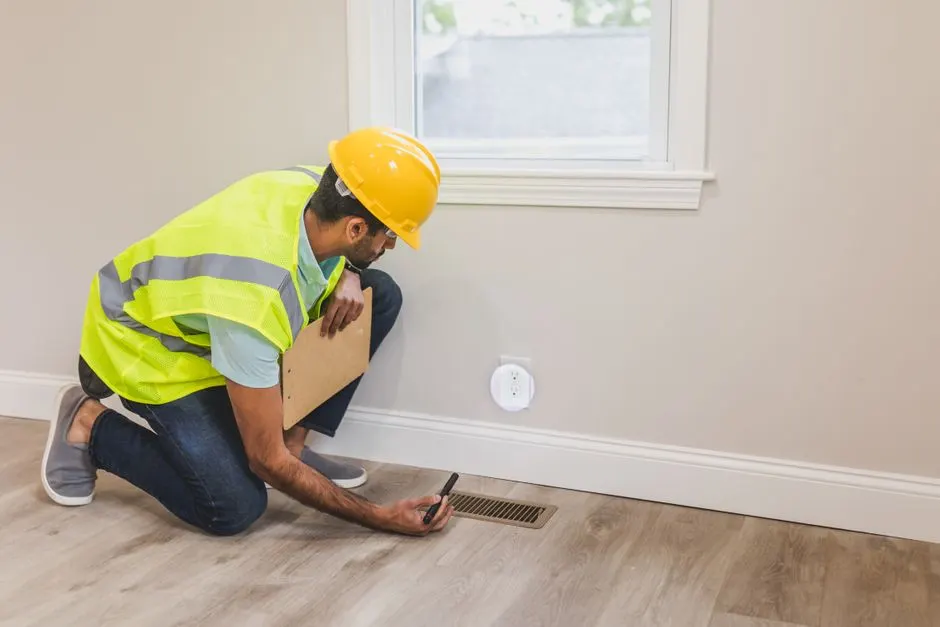

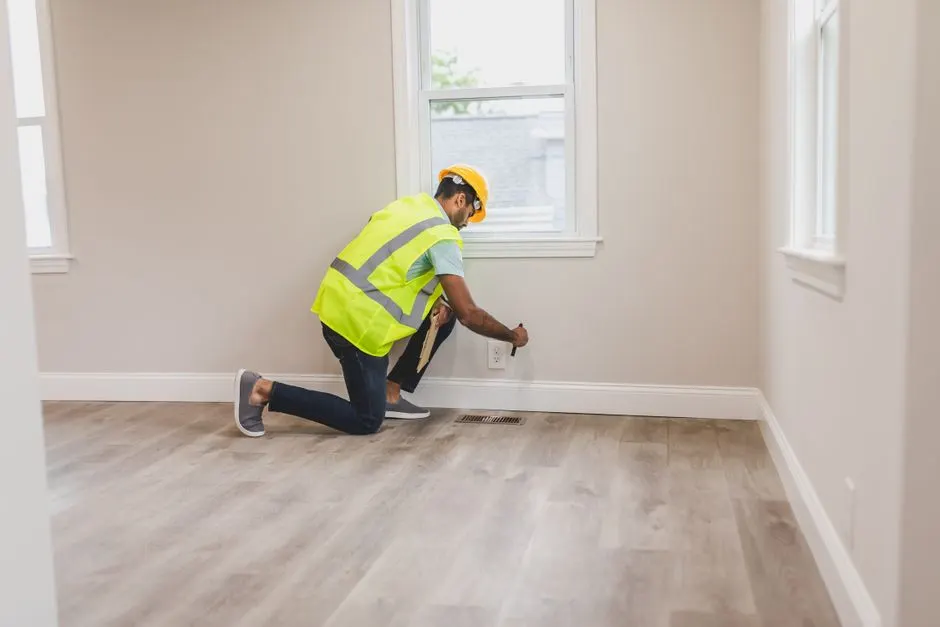
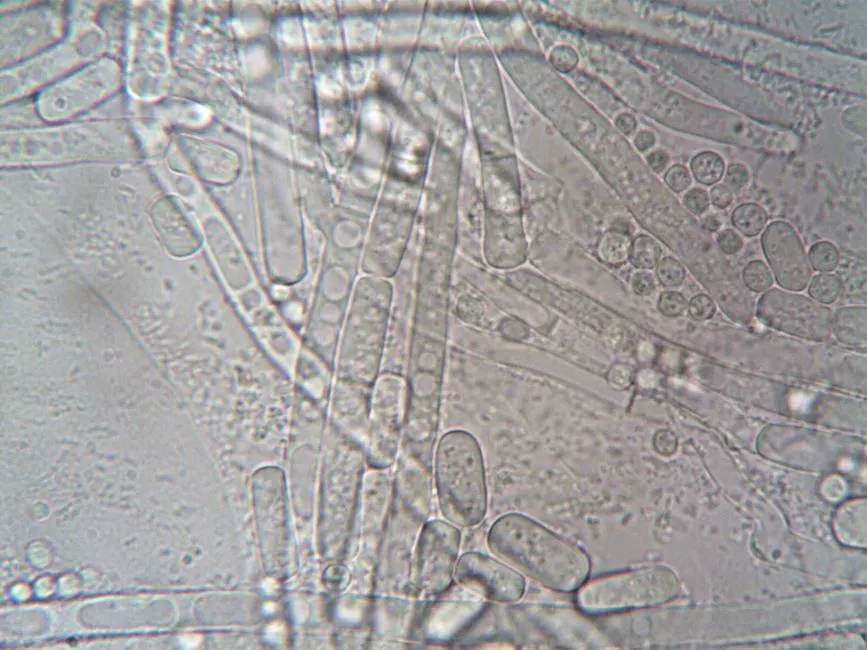

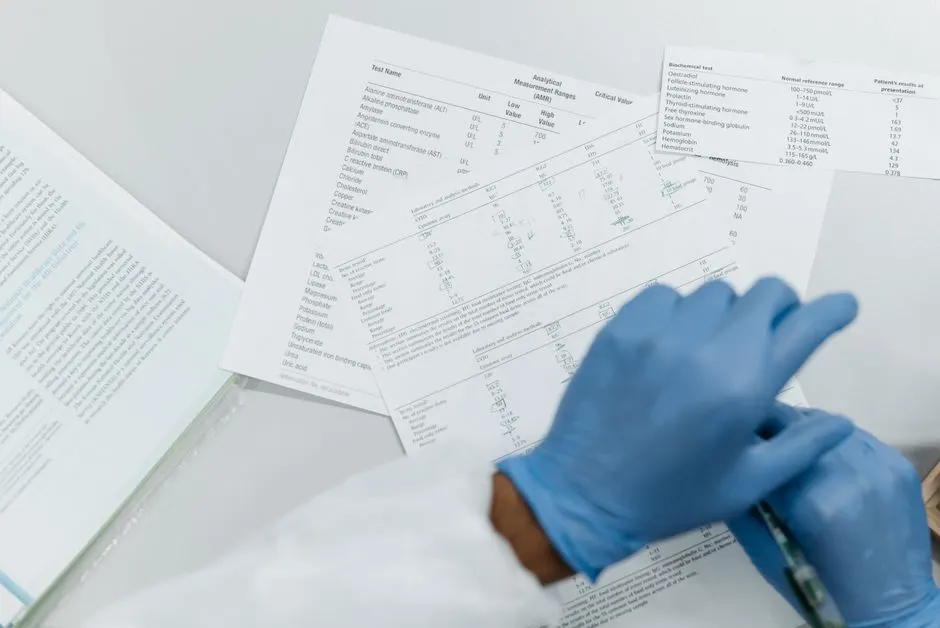
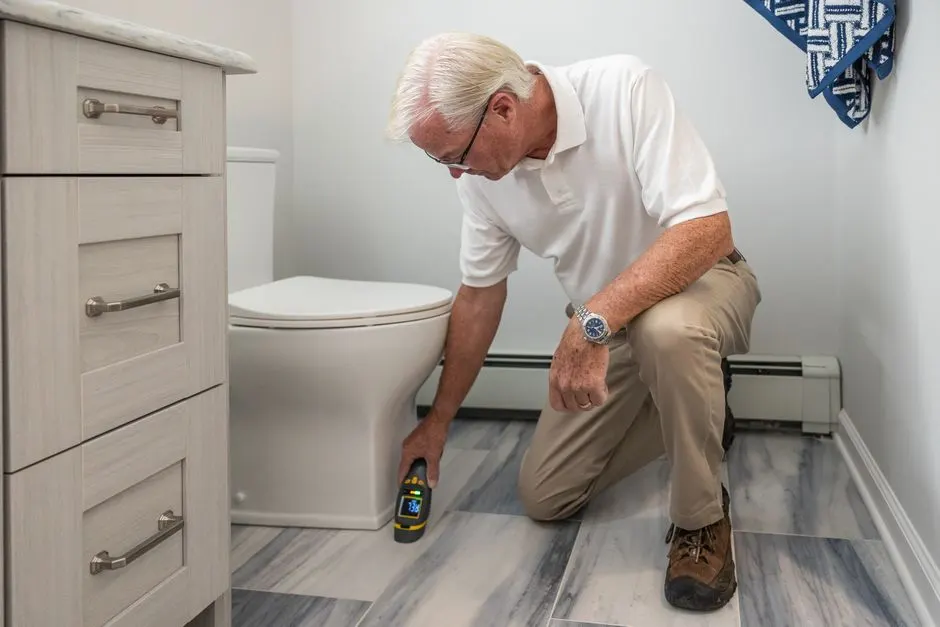
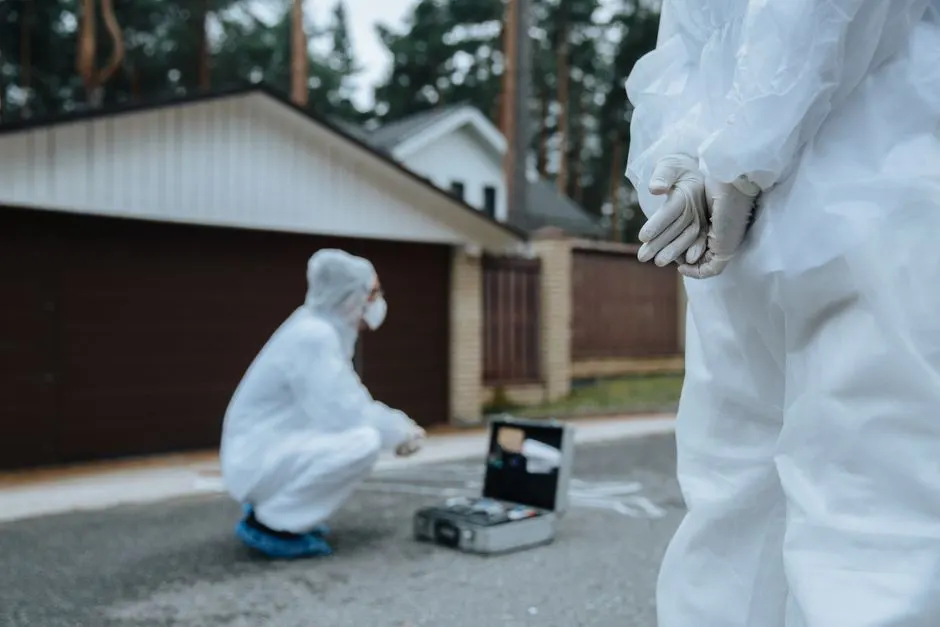
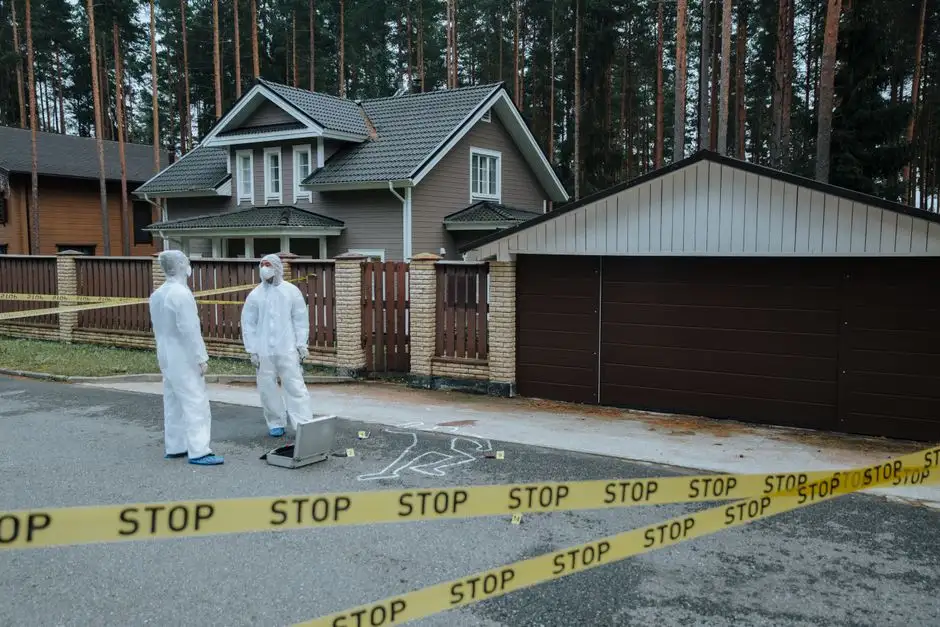
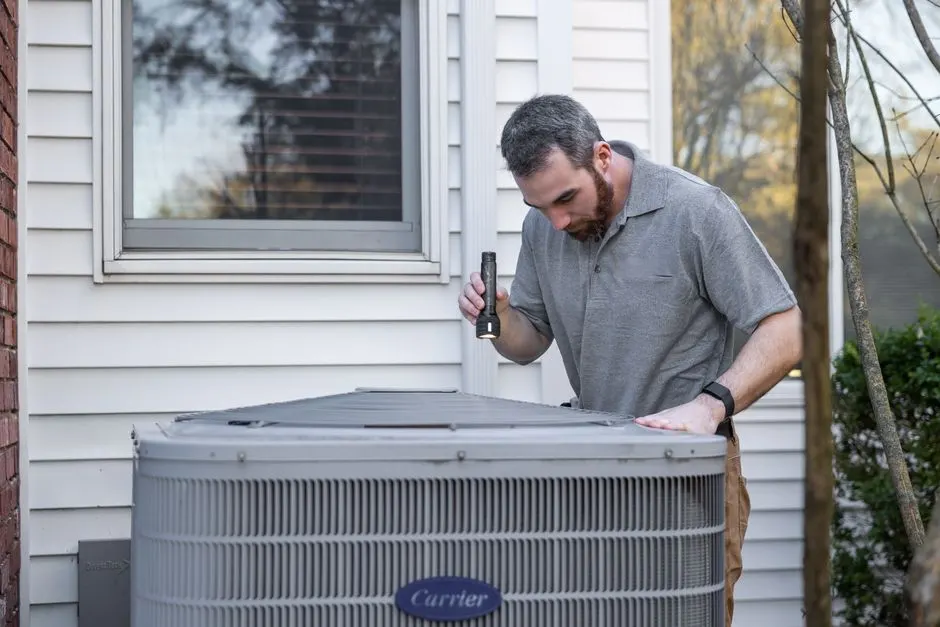
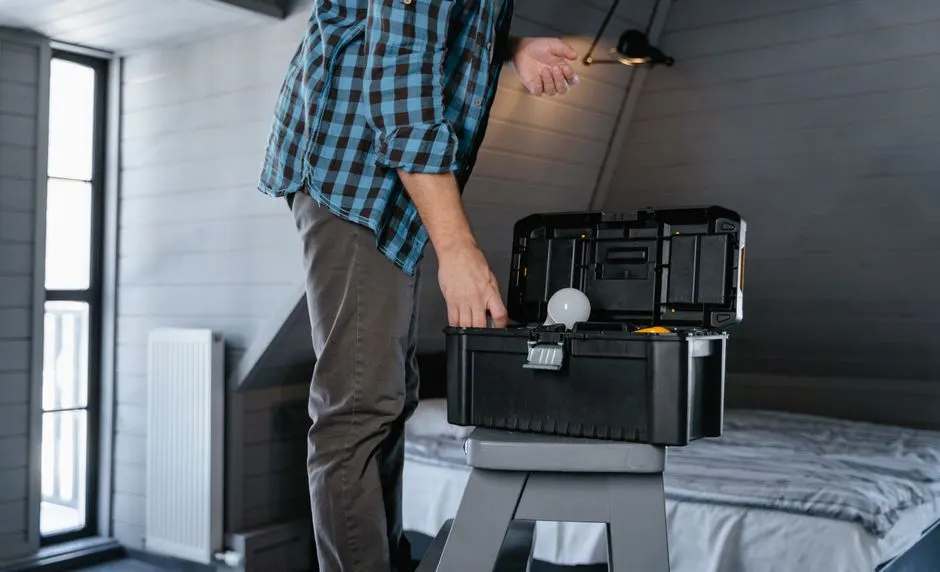
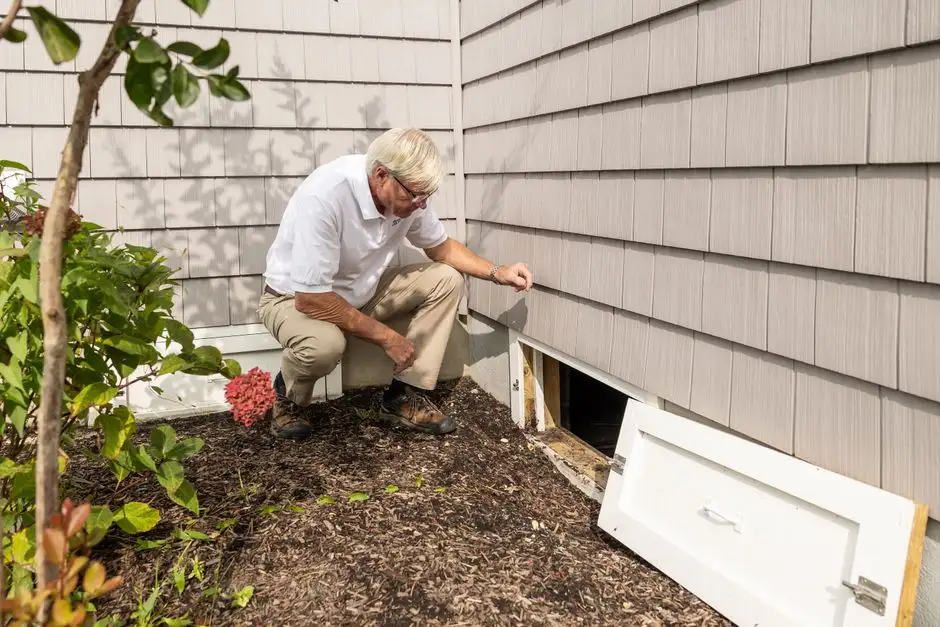
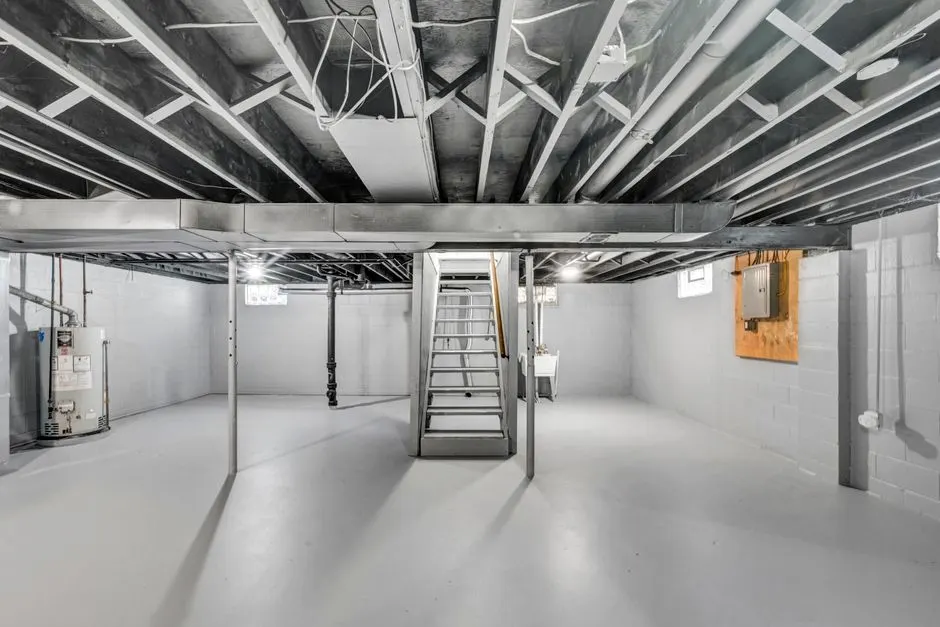



Midtown's humid summers, seasonal rainfall, and varied building stock create several recurring moisture questions. Apartments and shared systems can complicate source tracing, while older homes may have different roof, attic, basement, or crawl-space conditions from newer buildings. Mold Inspection and Testing Midtown TN should start with the actual moisture history and accessible evidence, not a blanket assumption about a building's age or neighborhood. We inspect where the concern appears, check related areas, and recommend sampling when it can answer a defined question. The goal is to identify conditions that support growth and guide a sensible next step.
A small leak can wet the back of drywall or a cabinet without leaving a large visible mark. In a shared apartment building, the water pathway may cross a wall or come from a fixture in an adjoining unit, making the point of discovery different from the source.
Humid summer air can meet cooler surfaces in closets, bathrooms, and mechanical areas with limited air movement. Repeated condensation keeps materials damp, especially where stored belongings restrict ventilation or an exhaust fan is not moving air effectively.
An attic can collect moisture through roof leaks or condensation when indoor air reaches cooler roof materials. A stain may follow heavy rain, while condensation can create a broader pattern. The building's ventilation and recent weather history help interpret what is visible.
Rainfall and water entry can leave lower-level materials damp, while limited air movement slows drying. Older homes differ in foundation construction and drainage, so the same musty smell can have different causes from one property to another.
Mold Inspection and Testing is worth arranging when a symptom keeps returning, appears after a leak, or affects a space where people spend time. In Midtown's apartments and shared buildings, a stain inside one room may connect to plumbing or an adjoining space, so note when the odor or dampness appears. If you are searching for Mold Inspection and Testing near me in Midtown TN, describe the room, how long the issue has lasted, and any recent water event. That information helps us focus the inspection and decide whether sampling is useful.
Musty odor returns after cleaning
A recurring odor can point to damp material or growth that remains out of sight, particularly behind a finish or near a plumbing route. Cleaning the surface may mask the smell without correcting moisture. Arrange an inspection if the odor persists or returns after ventilation and ordinary cleaning.
Ceiling stain grows after rain
A stain that darkens or expands after rainfall suggests water may be entering through a roof, opening, or adjoining construction. Moisture can remain behind the ceiling even when the surface feels dry. Document the change and have the water pathway checked promptly.
Condensation repeatedly wets a closet
Recurring condensation in a poorly ventilated closet can keep stored items and nearby finishes damp. Over time, that moisture can support visible growth or an odor. Check for repeat wetting, avoid packing items tightly against the wall, and request an assessment if dampness continues.
HVAC odor spreads through several rooms
An odor that starts or changes when the system runs deserves a look at accessible HVAC components and nearby surfaces. The system may distribute air from an affected area, but smell alone does not confirm mold. Inspection helps identify whether moisture or visible residue is present.
Water-damaged materials remain damp
Drywall, carpet, or stored materials that stay damp after a leak need attention because persistent moisture can lead to deterioration and fungal growth. A moisture inspection helps distinguish a dry remnant stain from an active condition and shows which materials need further evaluation.
Midtown addresses can sit on busy streets or within buildings with controlled access, so we confirm the entrance and contact details before arrival. Vanderbilt University and Vanderbilt University Medical Center are useful orientation points for the central area; Centennial Park and The Parthenon help identify the West End side. These landmarks guide navigation only. They do not indicate a service need or imply work at the landmark itself. For apartments, offices, or homes nearby, provide the building name, unit, and any visitor parking instructions when booking.
The university is a major orientation point in Midtown. Referencing it can help clarify which nearby block or building entrance you mean when arranging an inspection.
The medical center is a recognizable Midtown reference point. It can help identify the general location of nearby streets and properties without implying access or service work inside the facility.
Centennial Park is a prominent West End orientation point. It helps distinguish properties on that side of Midtown when you share directions or an address for an appointment.
The Parthenon stands within Centennial Park and serves as a familiar navigation reference for nearby West End streets. It is used here only to describe location, not as a source of mold concerns.
Plus surrounding Roane County neighborhoods, with same-day routing on most appointments.
Averaging 4.9 / 5 across verified reviews.
“We had a musty smell in our apartment near Vanderbilt and could not tell whether it was coming from the bathroom or the wall. The inspector checked moisture around both areas, explained why an air sample would help, and showed us where each sample was taken. The report was easy to share with building management.”
Megan R.
Vanderbilt University area
“Our Music Row office had an odor that appeared when the air conditioning was on. The inspection stayed focused on the rooms and accessible system areas involved. We received sample-location details and a practical explanation of what the lab results could tell us, which made the next conversation with maintenance much easier.”
David K.
Music Row
“After a rainy week, we noticed a damp smell in the basement of our West End home. The inspector checked the wall and nearby surfaces rather than just taking a sample and leaving. We appreciated having the moisture concern documented separately from the mold testing, with clear locations to discuss with our repair contractor.”
Laura P.
West End
As November gives way to winter, cooler indoor surfaces and closed windows can make existing moisture or musty odors more noticeable in Midtown buildings. In spring, rainfall can reveal roof and foundation entry; summer humidity increases condensation risk in poorly ventilated spaces; fall brings changing temperatures and the first heating cycles. If you are looking for airborne mold testing near me in Midtown, start by noting when the concern occurs and whether it changes with weather or HVAC operation. The season helps guide questions, but inspection findings determine the next step.
Spring rainfall can reveal roof leaks, window entry, or damp lower-level materials that were less apparent during dry stretches. Water marks may emerge after storms, while indoor humidity rises as conditions change. Check whether a stain expands or a musty odor returns after wet weather.
Tip: Photograph new stains and note the rainfall or leak timing. If a surface remains damp, arrange inspection before repainting or covering it, so the moisture source can be considered.
Humid summer air can encourage condensation in poorly ventilated closets, bathrooms, and HVAC-adjacent spaces. Cool surfaces and restricted airflow can leave recurring dampness even without a plumbing leak. Watch for musty odors that intensify when air conditioning runs.
Tip: Keep furniture and stored items from blocking airflow at damp walls. If condensation repeats, record the location and operating conditions, then have the area checked for moisture and visible growth.
Changing outdoor temperatures can expose condensation patterns and make the first heating cycles reveal odors in ducts or closed rooms. Leaves and storm activity can also coincide with roof or exterior water entry. A previous summer leak may become easier to notice as a space is closed up.
Tip: Before sealing a seasonal room, check for damp materials and persistent odor. Note whether the concern changes when the HVAC system operates, which helps focus an inspection.
During winter, closed windows and indoor heating can make odors more noticeable, while cold surfaces near exterior walls may collect condensation. A roof or plumbing leak still needs prompt attention even when outdoor conditions are cooler. Check behind stored belongings where air circulation is limited.
Tip: Keep a record of damp areas and avoid covering wet materials. If a leak occurs, stop the water source when safe, dry affected contents promptly, and arrange an inspection if moisture or odor persists.
Midtown sits within a connected Nashville service area, and our team can coordinate inspections across nearby districts when a property manager oversees more than one building. We serve Midtown alongside Downtown Nashville, The Gulch, SoBro, Music Row, West End, and Germantown. Each page reflects a distinct local service area; the inspection itself remains specific to the property's materials, moisture history, and access conditions. Call us with the address and concern to discuss where the visit fits.
(City)
Downtown Nashville is south of Midtown, with a short cross-city trip connecting offices, residences, and managed properties.
View Downtown Nashville(City)
The Gulch lies southeast of Midtown and is part of the same central Nashville service area.
View The Gulch(City)
SoBro is a central district south of Midtown, making it straightforward to coordinate alongside nearby property visits.
View SoBro(City)
Music Row adjoins Midtown's southern side and shares a close connection through residential and commercial properties.
View Music Row(City)
West End meets Midtown to the west, with Centennial Park providing a familiar orientation point between areas.
View West End(City)
Germantown is north of central Nashville and can be covered within the broader Nashville service region.
View GermantownReal answers from our team for the questions we hear most often before a job starts.
If a stain, musty odor, or moisture problem is disrupting your Midtown home or workplace, call Nashville Mold Testing and tell us what you have noticed. We will help identify the appropriate inspection and testing plan for your property, then coordinate access around the building. Our field work follows applicable OSHA respiratory protection requirements. Call now to arrange service in Midtown, Davidson County, and nearby Nashville neighborhoods.
Tell us what you have noticed, where it is happening, and whether a leak or cleanup has already occurred. Call +1 866-896-8166 during regular business hours, Monday through Friday, 8 a.m. to 6 p.m. Central Time. We will discuss the concern, explain the inspection options, and help you take the next practical step.
Phone
+18668968166Address
Nashville, Tennessee
Hours
Mon–Fri: 7AM – 7PM
Sat: 8AM – 4PM
Sun: Emergency Only
24/7 Emergency Available