Logo
Get Estimate

Indoor Air Quality Testing Nashville TN

Find airborne concerns and get a clear next step


Indoor Air Quality Testing Nashville TN helps homeowners, property managers, and business owners understand what is circulating indoors when odors, visible growth, or unexplained moisture raise concern. We inspect the space, select samples based on the conditions, and explain what the findings mean in plain language. If you need Nashville indoor air quality testing after a leak, during a property purchase, or before reopening a work area, we focus the visit on your questions.

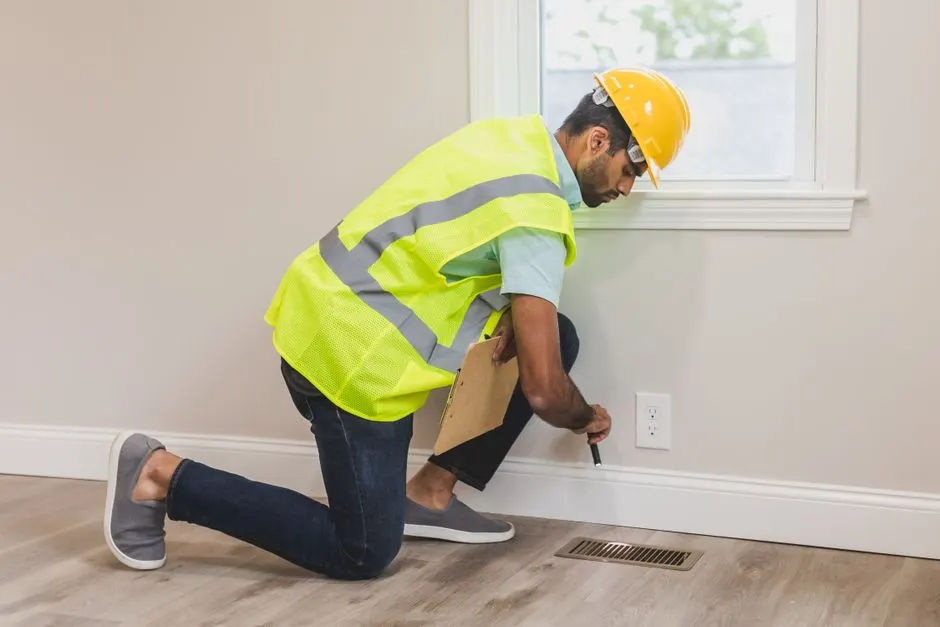
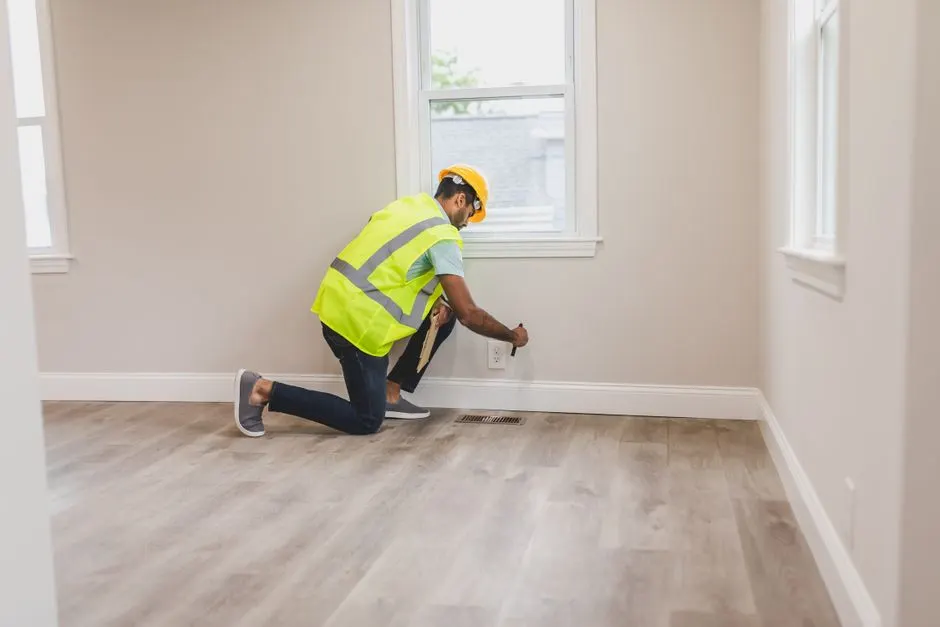
A home inspector in high visibility vest examines an electrical outlet in a modern room.
Licensed Licensed & Bonded
Fully Insured Insured & Bonded
24/7 Emergency Same-Day Response
Warranty Backed Workmanship Guaranteed in Nashville

What Indoor Air Quality Testing Includes

Indoor Air Quality Testing covers a focused building review and sampling plan based on the concern you describe. We document accessible conditions and collect agreed samples for laboratory analysis when testing is appropriate. The service is designed to answer specific questions about sampled areas; locating a concealed leak, opening building materials, or performing remediation is separate work that may be recommended when inspection evidence calls for it.

Concern And History Review

We record which rooms are affected, when odors or visible changes began, and whether the property has experienced leaks, flooding, or recent cleanup. This history guides the inspection route and helps us select samples that address your concern rather than collecting them without a purpose.

Visual And Moisture Checks

We inspect accessible surfaces and use a hygrometer or moisture meter where conditions warrant. Findings such as staining, condensation, or damp materials are recorded alongside the sampling plan. These observations help distinguish a sample result from the building conditions that may have contributed to it.

Targeted Sample Collection

Air samples are collected with an air sampling pump and suitable collection media; surface sampling is considered for a specific visible area. We identify the room and location for each sample. Sample count depends on the property and question, not a universal formula.

Results And Practical Review

We review laboratory findings with you and explain how the reported results relate to the sampled locations and inspection observations. You receive direction on practical next steps, including moisture correction or further investigation when needed. Findings represent conditions at the time and places assessed.

Indoor Air Quality Testing Nashville TN Explained


Indoor Air Quality Testing Nashville TN is an environmental inspection service that evaluates airborne particles and building conditions when occupants notice odors, visible growth, or moisture-related concerns. We review the rooms, ventilation, humidity, and likely moisture sources before choosing sampling locations. An air sampling pump draws a measured volume through a spore trap cassette, while surface sampling can help identify growth on a specific material. Results are interpreted alongside the inspection; one sample alone does not establish the condition of an entire building.

Nashville's humid summers, heavy rain, and changing indoor temperatures can contribute to condensation, basement dampness, and hidden growth behind finishes. Our indoor air quality testing services in Nashville, Tennessee, are useful when a musty smell persists, symptoms seem tied to a room, or renovation exposes a suspicious area. For an indoor air quality assessment after water damage Nashville TN, we connect air findings with moisture readings and visible building evidence rather than treating a lab result as the whole answer.

What to Expect During Testing

Nashville indoor air quality testing follows a practical sequence: understand the complaint, inspect the building, sample where evidence supports it, and explain the results. A typical residential visit takes about 1.5 to 3 hours, depending on access, property size, and the number of areas that need attention.

01

Schedule

Call or book online — a real human picks up and confirms a 2-hour arrival window.

02

Diagnose

Licensed tech inspects on-site, then walks you through the cause and your options.

03

Fix

The job is completed to code and done right the first time — no shortcuts, no surprises.

04

Guarantee

Every job backed by a written workmanship warranty — and we stand behind it.

Tools and Testing Methods

Tools & Equipment

Air Sampling Pump

The pump draws a measured volume of air through a collection device at a selected location. We record the sample point and follow the method appropriate to the assessment question.

Spore Trap Cassette

A spore trap cassette collects airborne particles for laboratory review. We use it for targeted air samples and document where and under what conditions each sample was taken.

Hygrometer

A hygrometer measures relative humidity in the inspected space. The reading helps describe indoor conditions during the visit and can guide discussion of condensation or dampness.

Pin and Pinless Moisture Meter

A moisture meter checks suspect materials for elevated moisture. Pin and pinless approaches suit different surfaces, helping us investigate stains, leaks, or recurring damp conditions.

FLIR Infrared Thermal Imaging Camera

A FLIR thermal camera highlights temperature patterns that may point to a moisture or insulation concern. We verify thermal clues with direct inspection or moisture readings rather than treating an image as proof.

Methods & Standards

Room-Specific Air Sampling

We select locations based on reported odors, occupancy, visible conditions, and relevant airflow. The pump collects a measured air sample, and location notes preserve context for laboratory interpretation. If room conditions differ substantially, we avoid treating results from one room as a description of the entire property.

Visual And Moisture Assessment

We inspect accessible areas for staining, visible mold growth, condensation, and water damage, then use moisture readings where appropriate. This method links air findings to potential sources and recurring conditions. Hidden areas are assessed only where access and evidence support further investigation.

Post-Cleanup Verification

After remediation, we review the agreed work area for visible residue and moisture concerns before interpreting any samples. Sampling locations should reflect the project and the conditions being checked. Results are a snapshot of inspected areas and do not certify every concealed part of a building.

When to Arrange Air Testing

01

An East Nashville home develops a persistent bedroom odor after a supply-line leak was repaired.

What we do: We inspect the repaired area and adjacent surfaces, check moisture conditions, and assess whether a targeted air sample or surface sample best answers the concern. We document the location and connect findings to the reported leak history.

→ You get a focused account of the sampled area and practical direction on whether additional moisture investigation or repair is needed.

02

A Downtown Nashville office reports an odor in one conference room but not across the floor.

What we do: We compare the affected room with relevant nearby spaces, note ventilation conditions, and select sample points based on room use and the complaint. A commercial air testing company near Downtown Nashville should connect the sample plan to the building layout.

→ Your facilities team receives location-specific findings that help prioritize room checks, ventilation review, or further inspection.

03

A Green Hills buyer notices staining and a musty smell during a property walkthrough.

What we do: We inspect accessible areas, consider roof or plumbing history, and check moisture clues around the staining. If sampling is useful, we explain the locations and limitations before collection so the buyer has evidence tied to the concern.

→ You can discuss observed conditions and test findings with the appropriate property professionals before deciding on repairs or follow-up.

04

A homeowner wants to confirm conditions after remediation in a damp basement.

What we do: We review the completed work area for visible residue and moisture, then sample according to the agreed verification plan. The inspection considers whether the water source was corrected, because a clean sample cannot compensate for active water intrusion.

→ You receive a documented snapshot of the inspected area and clear guidance about any remaining concern before the space returns to regular use.

How Nashville Air Testing Works Locally

Indoor Air Quality Testing in Nashville has to account for humid summers, heavy rainfall, and buildings with varied ages and renovation histories. Older homes can have layered finishes or limited access behind walls, while newer offices may have distinct ventilation zones that affect room-to-room comparisons. We ask about roof leaks, plumbing failures, basement water, and HVAC operation before choosing sample points. For Nashville indoor air quality testing, that history helps us separate a local source from a broader airflow concern. If you need a home indoor air assessment Nashville, Tennessee, after a storm or leak, we check moisture clues as well as the air sample. Davidson County properties may also have crawl spaces, basements, or attic areas that need separate attention. We serve Nashville, TN, including ZIP codes 37203, 37206, 37027, 37138, 37076, and 37072. Field findings are documented for the areas we can access; building-code compliance and remediation decisions remain tied to the specific work and responsible professionals.

Neighborhoods We Serve

  • East Nashville

    Older and renovated homes can have different wall assemblies and ventilation patterns; we tailor inspection points to the affected room and its moisture history.

  • Downtown Nashville

    Offices and mixed-use properties often have separate mechanical zones, so we document room use and ventilation context when comparing samples.

  • Green Hills

    Homes with basements or attic spaces can have separate moisture conditions; we inspect accessible areas connected to the reported odor or water event.

  • The Gulch

    Multi-unit buildings require attention to the specific unit and shared airflow conditions; we record the sampled space and relevant access limitations.

Local Conditions We Plan For

  • Humid summer air and cool indoor surfaces can encourage condensation.

    Condensation may form around supply vents, windows, or poorly insulated surfaces. We note humidity and temperature conditions during the visit and check suspect materials, since a single air sample cannot show where moisture is accumulating.

  • Heavy rain can expose roof, foundation, and basement water entry.

    Water intrusion can leave damp materials after the visible water is gone, particularly in lower levels or concealed cavities. We ask when the event occurred and inspect accessible areas before deciding whether air sampling helps answer the current concern.

  • Renovations can uncover old staining or concealed building damage.

    Opening a wall may reveal material that was not visible during routine occupancy. We document the newly exposed area and consider targeted surface or air sampling alongside moisture checks, keeping findings specific to the materials and rooms assessed.

Persistent Bedroom Odor

Before

A homeowner reported a musty odor in one bedroom several weeks after a plumbing repair. The wall looked dry, but the odor returned when the room stayed closed overnight. No one knew whether the issue involved residual moisture, concealed growth, or airflow from another part of the home.

After

The inspection documented the affected room, checked accessible materials, and collected a targeted air sample. The report identified the sample location and laboratory findings, while moisture observations pointed to a specific area for follow-up. The homeowner could direct the next inspection instead of treating every room.

Maintenance: Keep the repaired area dry, watch for renewed staining or odor, and address any new leak promptly. Maintain indoor humidity near 30% to 50% when practical, and recheck the affected room if conditions change.

Before

Staff in a Downtown Nashville office noticed an odor in one meeting room but not in the corridor or adjacent offices. The facilities team had no record of sampling locations or a clear account of whether the concern followed the room or the ventilation system.

After

The assessment compared the affected room with relevant nearby areas and documented ventilation observations. Selected samples and location notes gave the property team a clearer basis for checking the room's mechanical pathway. The report did not treat one result as proof about the entire floor.

Maintenance: Track when the odor returns, note HVAC operating conditions, and keep condensate drains and filters on the building's normal maintenance schedule. Reassess if the concern spreads to additional rooms.

Before

After heavy rain, a basement had a lingering damp smell and a previously wet storage-wall area. The surface appeared dry by the time the owner requested testing, but no one had checked the nearby materials or documented whether the odor was isolated.

After

A moisture review and targeted assessment documented the affected wall and accessible basement conditions. Sampling was considered alongside the inspection rather than used as a substitute for locating water entry. The owner received specific next steps to correct the source and monitor the area.

Maintenance: Keep gutters and drainage paths clear, repair water entry, and avoid storing items directly against damp-prone walls. Check the area after substantial rain and arrange follow-up if moisture or odor returns.

Problems Air Testing Can Help Clarify

Indoor air quality testing near me in Nashville TN is often searched after an odor, leak, or unexplained room difference becomes hard to ignore. We use the reported problem to guide inspection and sampling, then connect results to moisture and building conditions so you can choose a sensible next step.

Problem

A musty odor continues after the visible leak has been repaired.

The odor can point to damp materials or concealed growth that remains after the plumbing or roof source is fixed, allowing the problem to recur.

Our Fix

We inspect the affected area, check accessible materials for moisture, and identify sample locations that address the odor complaint. If readings or visible evidence point behind a wall or below flooring, we explain what further investigation is warranted. Air results are interpreted with those observations so you can target the source rather than masking the smell.

Problem

Two rooms feel different, but there is no obvious visible growth.

A room-specific concern can be missed if the entire property is treated as one uniform space, especially where ventilation and moisture conditions vary.

Our Fix

We compare the rooms you identify, note ventilation and humidity conditions, and collect samples from relevant locations when appropriate. Our report records where each sample came from and what it can establish. If the results do not explain the difference, we recommend checking a specific moisture or HVAC pathway instead of over-interpreting the data.

Problem

A basement or crawl space stayed damp after heavy rain.

Repeated water entry can leave moisture in porous materials and create persistent odors, while conditions below the home may affect nearby occupied areas.

Our Fix

We inspect accessible areas for water marks, damp materials, and moisture patterns, then decide whether indoor sampling adds useful evidence. A moisture meter helps check suspect materials, while the assessment documents conditions that need correction. Fixing drainage or water entry remains essential to preventing a repeat concern.

Problem

You need evidence after cleanup before using a room again.

Without a documented visual and moisture review, remaining residue or unresolved dampness can undermine cleanup and lead to a recurring problem.

Our Fix

We review the treated area, check for visible concerns and remaining moisture, and collect samples if the project criteria call for them. The findings provide a dated record of inspected locations and sampled conditions. If the area is not ready, we explain which observed issue needs attention before normal use resumes.

Useful Findings, Clear Next Steps

Useful Findings, Clear Next Steps

A well-planned air assessment gives you more than a lab number. We document where samples came from, note the conditions during the visit, and explain which findings merit action. You leave knowing whether the concern points toward a moisture source, a ventilation issue, or a need for targeted follow-up.

  • Know What Is Airborne

    Air sampling can compare indoor particle findings with an outdoor reference when conditions support that comparison. We record the room and sample location, then explain the laboratory report without presenting a single count as a diagnosis. Home air quality testing Nashville TN is especially useful when a musty odor has no obvious source or a room feels different from the rest of the house.

  • Trace Moisture Clues

    Air results become more useful when paired with a moisture inspection. We use a hygrometer and pin or pinless moisture meter to check humidity and suspect materials, then note signs such as staining, condensation, or recent water entry. That context helps you focus repairs on the source instead of repeatedly cleaning the same surface.

  • Support Property Decisions

    A documented assessment can help buyers, sellers, landlords, and facility managers decide what to inspect next. We identify sampled areas, observed conditions, and limitations so you can share a concise record with a contractor or property stakeholder. For larger buildings, a commercial air quality assessment Nashville TN can focus on rooms with distinct use or ventilation patterns.

  • Check Work After Cleanup

    After remediation, sampling and visual review can help evaluate whether the affected area appears ready for normal use. We look for remaining visible growth, unresolved moisture, and conditions that could undermine cleanup. Your report records the results from the inspection day; it does not replace correcting the leak or maintaining suitable indoor humidity.

Methods You Can Review

Licensed & Certified

  • ACAC Council-certified Indoor Environmentalist — issued by American Council for Accredited Certification
  • IICRC Applied Microbial Remediation Technician — issued by Institute of Inspection, Cleaning and Restoration Certification
  • IICRC Water Restoration Technician — issued by Institute of Inspection, Cleaning and Restoration Certification

Verified Reviews

Google ★★★★★5.0

Our East Nashville home had a smell that lingered after a leak repair. The inspection notes showed exactly where samples were taken and included moisture observations around the affected wall. We appreciated the plain explanation of the results and a practical next step focused on the area involved.

Google ★★★★★5.0

We arranged testing for a Downtown Nashville office after staff raised concerns about one room. The sample locations and ventilation notes made the report easy to discuss with our building team. It gave us a focused way to investigate instead of treating the entire floor as affected.

Yelp ★★★★★5.0

The technician checked our Green Hills basement after water had entered during a storm. We got a clear explanation of what air sampling could show and why the moisture source still mattered. The report documented the area and gave us a sensible order for follow-up.

Practical Inspection Expertise

Our team approaches air testing as part of a building investigation, not as a stand-alone number hunt. We connect sampling choices to visible conditions, moisture patterns, ventilation, and the history you describe. Training relevant to microbial assessment and water restoration supports careful field work, while laboratory analysis provides an additional line of evidence. We do not claim a fixed number of years, jobs, or certifications; we focus on documented methods, clear sample handling, and findings you can use to decide what happens next.

  • We distinguish air sampling from surface sampling and explain which method answers the concern in each room.
  • We use moisture readings and visual observations to investigate conditions that can support hidden mold behind walls.
  • Our inspection records sample location, room conditions, and the reason each sample was collected.
  • We consider HVAC pathways, attic condensation, crawl space dampness, and basement water intrusion during the walkthrough.
  • We explain laboratory findings in context and avoid treating one result as proof of building-wide conditions.
Get Started Today
Practical Inspection Expertise

Indoor Air Testing Questions

Real answers to the questions we hear most often from local homeowners and property managers.

What does indoor air quality testing measure in Nashville?
Indoor air quality testing in Nashville measures selected airborne particles, often including fungal spores, using samples collected from specific rooms. A lab report may identify types and concentrations present in those samples, but it does not measure every pollutant or diagnose health conditions. We also inspect humidity, moisture clues, and visible building conditions so you can understand the results in context. Sampling locations and methods depend on your concern and the property.
How much does a home air quality test cost in Nashville TN?
A residential air test commonly costs $250 to $750 in 2026, depending on inspection time, sample count, and laboratory analysis. The total can rise if you need multiple rooms assessed or targeted surface samples alongside air sampling. We explain pricing upfront before work proceeds. A focused visit for one concern costs less than a larger investigation involving several floors, concealed areas, or post-remediation checks.
Can indoor air testing identify mold spores?
Yes, laboratory analysis of air samples can identify and quantify types of fungal spores collected at the sampled locations. It cannot prove that every room is clear or pinpoint a hidden source by itself. We pair results with inspection findings and moisture measurements, then recommend targeted investigation if evidence suggests concealed growth. For a home indoor air assessment Nashville, Tennessee, the sampling plan should reflect the specific rooms and conditions you are concerned about.
Where can I find an indoor air quality assessment near me?
Nashville Mold Testing provides indoor air quality assessment Nashville appointments across Davidson County, including Downtown Nashville, East Nashville, and Green Hills. Call +18668968166 to discuss the rooms, odors, or water history involved and arrange an assessment. If you are searching for indoor air quality testing near me in Nashville TN, have the property address and a brief description of the concern ready so we can direct the visit appropriately.

Related Testing and Inspection

Mold Inspection

A visual mold inspection helps locate visible growth, moisture sources, and areas that deserve sampling. In Nashville, we can pair the walkthrough with air testing when odors persist or the concern extends beyond one surface. You receive observations that connect the building condition to the samples collected.

View Mold Inspection

Mold Testing

Mold testing uses selected air, surface, or material samples to investigate a defined concern. It complements indoor air testing when a suspicious surface needs identification or a room's airborne findings need added context. We select the method according to the evidence and your question.

View Mold Testing

Mold Sampling

Mold sampling includes collecting air or surface material for laboratory analysis. We document sample points and handling so results relate clearly to the Nashville property. This service is useful when you need evidence about a specific room, surface, or suspected moisture-affected area.

View Mold Sampling

Airborne Mold Spore Testing

Airborne mold spore testing examines particles captured from selected indoor locations, with an outdoor reference used when appropriate. It can help investigate persistent odors or room-specific concerns. Results are reviewed with inspection observations, since air samples represent conditions at a particular time and place.

View Airborne Mold Spore Testing

Surface Mold Testing

Surface mold testing collects material from a visible or suspicious area using an appropriate sampling method. It can help characterize growth on a wall, trim, or other accessible surface. We interpret the result alongside moisture readings and building conditions rather than treating the sample as a full-property assessment.

View Surface Mold Testing

Bulk Mold Sampling

Bulk sampling involves collecting a small piece of material for laboratory analysis when a building component is under investigation. It can add evidence where a surface swab is not suitable. We discuss the location and collection method before taking material from your property.

View Bulk Mold Sampling

Schedule Indoor Air Quality Testing Nashville TN

Persistent odors, visible mold, or a recent leak are good reasons to get clear findings. Call Nashville Mold Testing at +18668968166 to discuss your property and schedule an assessment. We explain pricing upfront and connect the inspection findings to practical next steps.

Call Today Schedule Testing

Contact Nashville Mold Testing

Tell us what you have noticed, where it is happening, and whether a leak or cleanup has already occurred. Call +1 866-896-8166 during regular business hours, Monday through Friday, 8 a.m. to 6 p.m. Central Time. We will discuss the concern, explain the inspection options, and help you take the next practical step.

Or call us right now at +18668968166 — we answer.

Nashville Mold Testing


  • Phone

    +18668968166
  • Address

    Nashville, Tennessee

  • Hours

    Mon–Fri: 7AM – 7PM
    Sat: 8AM – 4PM
    Sun: Emergency Only
    24/7 Emergency Available

Call +18668968166 Get Quote
Call Quote