Logo
Get Estimate

Post-Remediation Verification Nashville TN

Independent checks before your space returns to use


Post-Remediation Verification Nashville TN gives homeowners, property managers, and business owners an independent check after mold cleanup. We inspect the treated area, look for remaining moisture or visible growth, and collect samples when the conditions call for testing. Our Nashville post-remediation verification helps you understand whether the cleanup is complete, whether another correction is needed, and what the findings mean before you close the project or occupy the space.

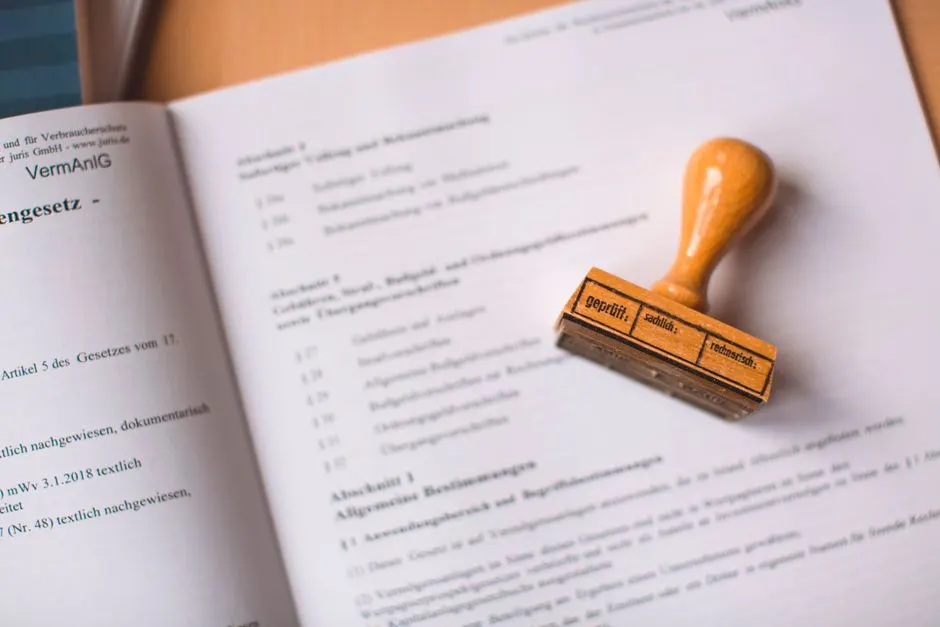
Close-up of a legal document with a wooden stamp placed on top, highlighting verification.
Licensed Licensed & Bonded
Fully Insured Insured & Bonded
24/7 Emergency Same-Day Response
Warranty Backed Workmanship Guaranteed in Nashville

What Verification Covers

A Post-Remediation Verification visit covers the accessible treated area, relevant adjacent surfaces, moisture conditions, and a review of the cleanup scope. Sampling is added when the inspection or project criteria make it useful. You receive documented findings and practical next steps. Destructive opening of finished walls, repairs, and remediation work are separate tasks; we identify suspected concealed concerns rather than claiming to inspect inaccessible spaces.

Scope And Area Review

We review the original affected locations and the completed cleanup work, then identify which areas are accessible for inspection. This makes the findings specific to your project and records any limits created by closed cavities or unavailable rooms.

Visual Condition Check

We examine accessible treated surfaces for visible growth, residue, staining, debris, and musty odors. The report notes the locations checked and any condition that should be corrected or evaluated further before the area is returned to use.

Moisture Assessment

We take targeted readings on relevant materials and record indoor humidity when useful. Those observations help identify dampness that could support recurring growth, while comparisons with unaffected materials give the numbers practical context.

Sampling And Reporting

When warranted, we collect selected air or surface samples, document the method and location, and submit samples for laboratory analysis. Your report brings together inspection observations, moisture findings, results when available, and clear follow-up recommendations.

Post-Remediation Verification Nashville TN


Post-Remediation Verification Nashville TN is an independent inspection and testing service that checks whether mold remediation has addressed visible growth, affected materials, and the moisture source before an area returns to normal use. We review the cleanup scope, inspect the work zone and adjacent surfaces, and assess moisture conditions. If sampling is appropriate, we collect air or surface samples under documented conditions and submit them to an AIHA-accredited environmental microbiology laboratory. Results are interpreted alongside the inspection; a single laboratory number does not prove that a building is safe or unsafe.

Nashville properties face cleanup challenges after plumbing leaks, storm water entry, basement seepage, and attic condensation. Warm, humid periods can slow drying, while older finishes and enclosed wall cavities can hide residual dampness. Our independent mold cleanup verification for a home in Nashville compares the remediation work with the observed conditions instead of relying on a contractor's completion statement alone. We document concerns such as musty odors, visible mold growth, and recurring moisture, then explain practical next steps in plain language.

What Happens During Verification

Post-Remediation Verification in Nashville follows a defined sequence: we review the work, inspect the affected area, measure moisture, and decide whether sampling will answer a useful question. A typical site visit takes about 1 to 3 hours; larger buildings or multiple containment zones require more time. You can expect us to explain each step and keep the inspection focused on the original problem and cleanup scope.

01

Schedule

Call or book online — a real human picks up and confirms a 2-hour arrival window.

02

Diagnose

Licensed tech inspects on-site, then walks you through the cause and your options.

03

Fix

The job is completed to code and done right the first time — no shortcuts, no surprises.

04

Guarantee

Every job backed by a written workmanship warranty — and we stand behind it.

Tools And Inspection Methods

Tools & Equipment

Infrared thermal imaging camera

A thermal camera helps identify temperature patterns that can direct closer inspection. It does not measure moisture by itself, so we confirm suspicious areas with a moisture meter or other appropriate method.

Pin and pinless moisture meter

We use a moisture meter to assess relevant building materials and compare readings across affected and unaffected areas. The meter supports a targeted moisture assessment; readings are interpreted with material type and site conditions.

Air sampling pump

An air sampling pump draws a measured volume of indoor air through a selected collection device when sampling is appropriate. We document location and conditions so laboratory results can be considered alongside the inspection.

Spore trap cassette

A spore trap cassette collects airborne particles during a controlled sample. The result is a snapshot of the sampled air and must be interpreted with comparison samples, the inspection, and the building's condition.

Hygrometer

A hygrometer records indoor relative humidity during the visit. Humidity readings help explain drying conditions and potential condensation, but they do not establish whether mold is present without other evidence.

Methods & Standards

Visual And Moisture-Based Assessment

We inspect accessible treated surfaces and document visible conditions, odors, and signs of remaining dampness. Moisture readings are taken at relevant materials and compared with nearby unaffected areas where practical. This method helps identify conditions that require correction even when no laboratory sample is needed.

Targeted Air Or Surface Sampling

Sampling is selected to answer a defined question, such as whether the project criteria require an airborne comparison or a specific surface check. We record the sample location and method, maintain chain-of-custody documentation, and interpret laboratory findings with the inspection rather than treating a result as a stand-alone clearance.

Building Assessment Reference

We use EPA mold guidance and ASTM D7338, the standard guide for assessment of fungal growth in buildings, as relevant references for evaluating conditions. The guidance supports a structured assessment but does not replace project-specific criteria, visual inspection, moisture evaluation, or professional judgment.

When To Verify Cleanup

01

A Nashville homeowner had a supply-line leak repaired and mold removal completed in a bedroom wall.

What we do: We review the affected wall and adjacent surfaces, check accessible materials for moisture, and look for visible residue or dust. If the agreed project criteria call for laboratory evidence, we collect targeted samples and document where they came from.

→ You get a clear record of accessible conditions and know whether drying, additional cleaning, or contractor follow-up is needed before the room is put back together.

02

A property manager in Downtown Nashville needs a treated office area checked before employees return.

What we do: We inspect the defined work zone, review containment removal, and assess the treated surfaces and nearby materials. We coordinate access with the manager and use sampling only when it answers a project-specific question.

→ The manager receives findings tied to the work area and can make a more informed decision about reopening or requesting a targeted correction.

03

An East Nashville attic was remediated after a roof leak, but a musty odor remains.

What we do: We examine accessible framing and surrounding materials, take moisture and humidity readings, and note signs of continuing water entry or condensation. Testing can be added if the inspection identifies a reason to sample.

→ You learn whether the odor is accompanied by observable moisture or other concerns and what to address before replacing insulation or storing belongings in the attic.

04

A buyer wants independent verification after a seller reports completed mold cleanup in a basement.

What we do: We review the reported work, inspect accessible treated areas, and document moisture conditions and visible findings. Any sampling is selected to fit the question and explained with the limitations of the inspection.

→ The buyer receives a focused report to support follow-up discussions and can identify unresolved moisture concerns before the property transaction moves forward.

How Verification Works In Nashville

Nashville properties range from older homes with plaster and concealed framing to newer condos and commercial interiors with extensive mechanical systems. That variety changes what can be inspected after cleanup: an open basement wall is straightforward to assess, while a closed cavity may need a separate investigation. Humid summers and damp winter periods can also slow drying or contribute to condensation in attics and crawl spaces. We check the treated area in its actual building context and look for evidence that the original moisture source remains active. Our post-remediation verification services Nashville, Tennessee are planned around the cleanup boundaries, occupancy, and any project criteria. If you need an independent mold cleanup verification for a home in Nashville, tell us whether the concern began with a roof leak, plumbing failure, or water intrusion. Davidson County service calls include Downtown, East Nashville, Green Hills, and surrounding neighborhoods. We document accessible conditions and explain limitations clearly, so you know what the inspection establishes and what requires further access.

Neighborhoods We Serve

  • East Nashville

    Older homes and renovated interiors can have concealed wall or ceiling cavities. We focus verification on the treated boundary and any adjacent materials affected by the original leak.

  • The Gulch

    Condominium and commercial projects may involve shared walls, mechanical systems, and occupied neighboring spaces. We document the defined work zone and coordinate inspection access with the property contact.

  • Green Hills

    Homes with basements, crawl spaces, or attic areas need attention to moisture beyond the visible cleanup surface. We check accessible areas for dampness that could undermine the completed work.

  • Downtown Nashville

    Office and retail remediation often has reopening requirements and limited access windows. We keep verification focused on the documented work area and report observations in a format useful to a property manager.

Local Conditions We Plan For

  • High indoor humidity after prolonged summer rain

    Elevated humidity can slow drying and contribute to condensation on cooler surfaces. We record conditions and interpret moisture readings in context, distinguishing incomplete drying from a localized leak or other source that needs correction.

  • Attic condensation or roof entry after storms

    A roof leak or ventilation-related condensation can rewet framing after cleanup. We look for fresh staining, damp materials, and visible changes, then identify whether the moisture source should be addressed before repairs conceal the area.

  • Basement seepage and damp crawl spaces

    Water entry through below-grade areas can persist after surface cleanup. Our verification includes accessible moisture checks and notes conditions that indicate drainage or water intrusion may still be affecting the treated materials.

Bedroom Wall After A Leak

Before

A repaired supply line had caused visible growth along a bedroom wall. The remediation crew removed affected material and cleaned the exposed area, but the homeowner had no independent record of moisture conditions or adjacent surfaces. Repainting was planned before anyone checked whether the work area was dry.

After

Our verification documented the treated area, checked representative materials, and identified one section that remained damp compared with a nearby reference. The contractor completed additional drying. A follow-up reading showed the area had returned to a comparable condition, and the findings were recorded for the homeowner.

Maintenance: Keep the repaired plumbing area accessible until readings are satisfactory, and watch for staining or odor after the wall is closed. Fix any new leak promptly rather than relying on paint to cover a changing condition.

Before

A basement had been cleaned after water entered near an exterior wall. The visible surfaces looked improved, but a musty smell returned during humid weather. The owner was unsure whether the cleanup needed repeating or water was still entering at the same location.

After

The inspection found elevated moisture at a localized section beside the entry point, while nearby comparison areas were drier. We documented the affected location and recommended addressing the water pathway before further finish work. Targeted follow-up showed a lower reading after the source was corrected.

Maintenance: Keep the wall and floor junction clear enough to inspect after heavy rain. Track recurring odors or dampness and address drainage or water entry before installing new finishes over the repaired area.

Before

A small office suite had undergone remediation after a ceiling leak, and staff were waiting to return. The manager had a contractor completion note but no independent record of the treated area, remaining moisture, or whether sampling matched the agreed criteria.

After

We inspected the defined suite, recorded accessible ceiling and adjacent conditions, and collected samples under the project's criteria. The report identified the inspection locations and findings, giving the manager a documented basis to coordinate reopening and close out the remediation file.

Maintenance: Maintain the repaired roof or plumbing system and check ceiling areas after future water events. Keep remediation records with the building file so a later inspection can compare new conditions with the verified work zone.

Resolve Post-Cleanup Concerns In Nashville

Post-remediation contamination concerns can persist when damp materials, residue, or an untreated moisture source remain. We inspect the conditions that matter after cleanup and help you distinguish a completed job from one that still needs correction. Findings are tied to locations and practical actions, not a broad promise based on a single test.

Problem

Musty odor remains after a basement cleanup

An odor can point to damp materials or an unresolved water pathway. Closing the area without checking may leave a recurring moisture problem behind finished surfaces.

Our Fix

We inspect accessible basement surfaces, check moisture in relevant materials, and review the cleanup boundaries. If the odor source is not evident, we explain whether further investigation or targeted sampling could help. You receive documented locations and a clear next step rather than an assumption that odor alone confirms mold.

Problem

Visible residue returns near a repaired plumbing leak

Recurring growth suggests that moisture control or removal may not be complete. Repainting over the area can conceal the condition and complicate later repairs.

Our Fix

Our verification visit checks the repaired area and nearby materials for visible evidence and elevated moisture. We compare readings with surrounding areas and note what needs further drying, cleaning, or leak follow-up. The results help you send the remediation contractor a precise correction request.

Problem

Attic cleanup followed condensation or roof leakage

Seasonal condensation or an unrepaired roof entry can wet framing again after cleanup, leaving a finished report out of step with current conditions.

Our Fix

We inspect accessible attic materials, look for staining or visible growth, and assess humidity and moisture conditions. The report distinguishes evidence related to cleanup from signs of an ongoing roof or condensation issue, so you can address the source before replacing insulation or closing access.

Problem

Commercial suite needs documented clearance conditions

Returning occupants or equipment before the treated area is checked can disrupt operations and leave questions about the completed work unresolved.

Our Fix

We focus the inspection on defined work zones, access points, and any agreed project criteria. Where appropriate, we collect targeted samples and document the method. Property managers receive findings they can use to coordinate reopening, contractor follow-up, and tenant communication.

Clear Results Before Reoccupancy

Clear Results Before Reoccupancy

Post-remediation checks answer a practical question: does the treated area show evidence that cleanup is complete? We combine visual review, moisture readings, and targeted sampling when warranted. You receive findings tied to the inspected locations, not a vague pass-or-fail claim detached from the actual building conditions.

  • Documented Cleanup Conditions

    We record the rooms and surfaces inspected, visible conditions, moisture readings, and any sampling locations. A clear record helps you compare the results with the remediation scope and keep useful documentation for a property file, insurer, buyer, or facility manager.

  • Independent Perspective

    A separate verification visit gives you a fresh look after the remediation crew has finished. Our mold remediation verification testing Nashville TN service identifies visible residue, damp materials, or conditions that deserve correction before furniture, equipment, or occupants return to the work area.

  • Earlier Moisture Warning

    Mold removal alone does not correct a leak or condensation problem. We use a pin and pinless moisture meter to check representative building materials, helping locate readings that remain elevated and reduce the chance of recurring growth after the area is closed.

  • Useful Next Steps

    If findings indicate incomplete work, we explain what was observed and where. You can give the remediation contractor specific locations to address, then arrange a follow-up inspection or testing visit instead of paying for an unnecessary full repeat of the original work.

Methods And Credentials

Licensed & Certified

  • ACAC Council-certified Indoor Environmentalist — issued by American Council for Accredited Certification
  • ACAC Council-certified Microbial Consultant — issued by American Council for Accredited Certification
  • IICRC Applied Microbial Remediation Technician — issued by Institute of Inspection, Cleaning and Restoration Certification
  • IICRC Water Restoration Technician — issued by Institute of Inspection, Cleaning and Restoration Certification

Verified Reviews

Customer feedback Not displayed

A homeowner in East Nashville described a practical follow-up after a plumbing leak: the inspector checked the treated wall, took moisture readings, and pointed out one area that needed more drying. The customer valued having a location-specific report to share with the remediation contractor before repainting.

Customer feedback Not displayed

A property manager in The Gulch needed the treated office suite assessed before staff returned. The customer noted that the inspection stayed within the work zone, documented sample locations, and explained the results clearly enough to coordinate the next step with the cleanup contractor.

Customer feedback Not displayed

A Green Hills homeowner requested verification after attic remediation following a roof leak. The customer appreciated that the visit included accessible framing and humidity checks, with a clear explanation of what the inspection established and what should be monitored after the roof repair.

Field Experience And Judgment

Post-Remediation Verification requires more than taking an air sample: the inspector must understand the original water pathway, remediation boundaries, building materials, and moisture behavior. Our Nashville team evaluates the site conditions and uses sampling only when it adds useful evidence. We follow applicable EPA mold guidance and use ASTM D7338 as a reference for assessing fungal growth in buildings. We explain the limits of any test, connect findings to the inspected areas, and keep recommendations grounded in what we actually observed.

  • Inspection findings are interpreted with moisture readings, building conditions, and the documented remediation scope rather than a laboratory result alone.
  • Sampling procedures use documented locations and chain-of-custody forms so collected material can be tracked through laboratory analysis.
  • Our approach accounts for hidden mold behind walls, HVAC concerns, and damp materials that may remain after visible cleanup.
  • We apply relevant EPA mold guidance and use ASTM D7338 as an assessment reference where appropriate to the project.
  • You receive practical explanations of limitations, corrective items, and whether follow-up verification would answer an outstanding question.
Get Started Today
Field Experience And Judgment

Frequently Asked Questions

Real answers to the questions we hear most often from local homeowners and property managers.

What is post-remediation verification in Nashville?
It is an independent inspection, with targeted testing when appropriate, to check cleanup conditions after mold remediation. We review the affected area, look for visible residue or moisture, and compare findings with the work performed. A typical visit takes about 1 to 3 hours, while laboratory analysis, if collected, takes several business days. The report explains the inspected locations and any remaining concerns; it does not replace correcting an active leak.
How much does mold remediation verification testing cost?
In 2026, a straightforward Nashville verification visit often costs about $250 to $650, depending on area size, sampling, and laboratory analysis. A larger commercial site or multiple containment zones can cost more. We explain pricing upfront before scheduling. The inspection fee reflects time on site, moisture assessment, sample handling when needed, and reporting; asking for mold remediation verification testing Nashville, Tennessee by phone helps us understand the project scope.
When should I arrange verification after mold cleanup?
Arrange verification after remediation is complete, debris is removed, and the treated area is accessible, often within 24 to 48 hours of the contractor finishing. The space should be in the condition required by the project criteria, and any clearance protocol should be agreed upon beforehand. If materials remain wet or an active leak continues, address that first. We can help you schedule post-cleanup mold testing in Nashville TN at the right stage.
What does a post-remediation inspection report include?
A report describes the areas inspected, visible conditions, moisture observations, sampling locations and methods, laboratory results when applicable, and recommended next steps. It also notes relevant limitations, such as inaccessible wall cavities. For verify mold remediation results Nashville, you need findings connected to the original work rather than an isolated spore count. We explain the report with you so you know what is complete and what needs attention.
Related Mold Services

Mold Inspection

A mold inspection documents visible conditions, moisture clues, and areas that may need closer evaluation before or after cleanup. In Nashville, we can use it to establish affected boundaries and later compare the finished remediation area with the original findings.

View Mold Inspection

Mold Testing

Mold testing uses selected samples to answer a defined question about airborne or surface conditions. After remediation, testing can supplement a visual and moisture inspection when the project criteria call for laboratory evidence.

View Mold Testing

Indoor Air Quality Testing

Indoor air quality testing evaluates selected indoor conditions that may relate to occupant concerns or building use. Paired with post-cleanup inspection, it can help investigate lingering odors or suspected airborne contamination without treating one sample as a complete building diagnosis.

View Indoor Air Quality Testing

Mold Sampling

Mold sampling collects air, surface, or material evidence from chosen locations. We select sampling points based on the cleanup scope and observed conditions, then document methods so results have useful context for a Nashville property owner.

View Mold Sampling

Airborne Mold Spore Testing

Airborne mold spore testing compares samples collected under documented conditions, often from an affected area and a comparison location. It can support clearance decisions when appropriate, but must be interpreted alongside inspection observations and moisture conditions.

View Airborne Mold Spore Testing

Surface Mold Testing

Surface mold testing evaluates a selected surface where visible residue or suspected contamination remains. After cleanup, targeted surface sampling can help assess a specific concern; it does not replace checking the surrounding materials for moisture.

View Surface Mold Testing

Schedule Post-Remediation Verification Nashville TN

Get an independent review of the cleanup before the space returns to normal use. Our team documents inspection conditions and explains any testing findings clearly. Call Nashville Mold Testing at +18668968166 to discuss your project and schedule a verification visit.

Call Our Team Schedule Inspection

Contact Nashville Mold Testing

Tell us what you have noticed, where it is happening, and whether a leak or cleanup has already occurred. Call +1 866-896-8166 during regular business hours, Monday through Friday, 8 a.m. to 6 p.m. Central Time. We will discuss the concern, explain the inspection options, and help you take the next practical step.

Or call us right now at +18668968166 — we answer.

Nashville Mold Testing


  • Phone

    +18668968166
  • Address

    Nashville, Tennessee

  • Hours

    Mon–Fri: 7AM – 7PM
    Sat: 8AM – 4PM
    Sun: Emergency Only
    24/7 Emergency Available

Call +18668968166 Get Quote
Call Quote