
The Mall at Green Hills
This established shopping destination is a clear orientation point near the Hillsboro Pike commercial corridor. Sharing an address or cross-street relative to the mall helps clarify which nearby property entrance you mean.

Mold Inspection and Testing in Green Hills is an indoor environmental assessment that identifies moisture conditions and evaluates suspected fungal growth when a property has visible mold, persistent odors, or a history of water intrusion. Nashville Mold Testing serves Green Hills addresses in Davidson County, from the Hillsboro Pike corridor to Forest Hills, Seven Hills, and the Lipscomb University area. Large homes sit alongside condominiums, retail, and institutional buildings, so the inspection plan has to fit the structure rather than follow a one-size checklist. Our Green Hills Mold Inspection and Testing work starts with a visual review, moisture readings, and a discussion of leaks, renovations, and symptoms you have noticed. Where sampling is useful, we collect it to answer a defined question, not simply to produce a lab result. You receive findings tied to observed conditions and practical next steps.
Green Hills properties need different inspection plans depending on their size, use, and moisture history. A home near Radnor Lake State Park, a condominium, and a storefront along the Hillsboro Pike corridor do not share the same access or sampling needs. If you are searching for a mold testing company serving Green Hills, Nashville, we can investigate a defined concern, map moisture readings, and collect samples when they can help answer a practical question. We explain the purpose of each step before testing begins.
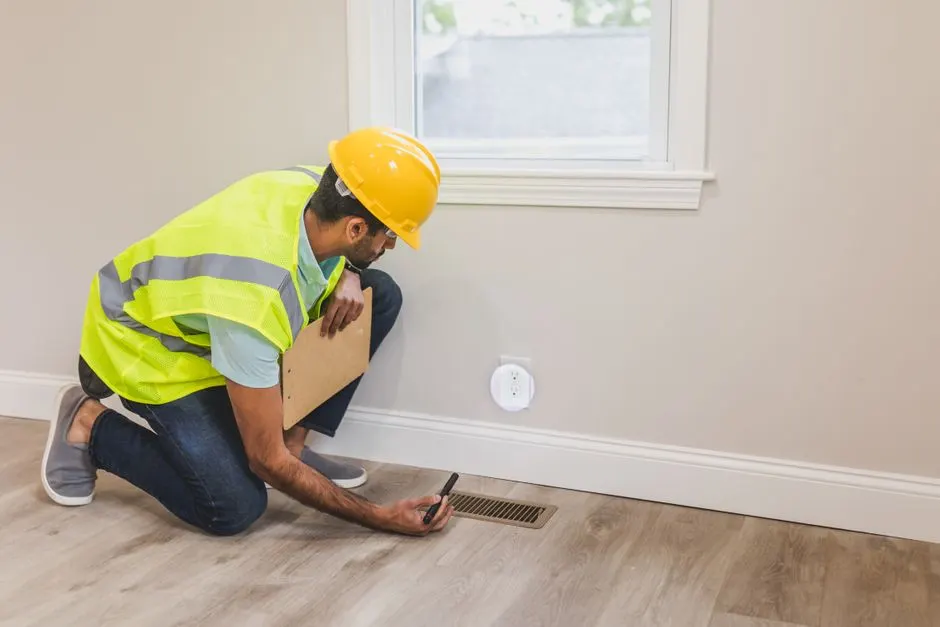

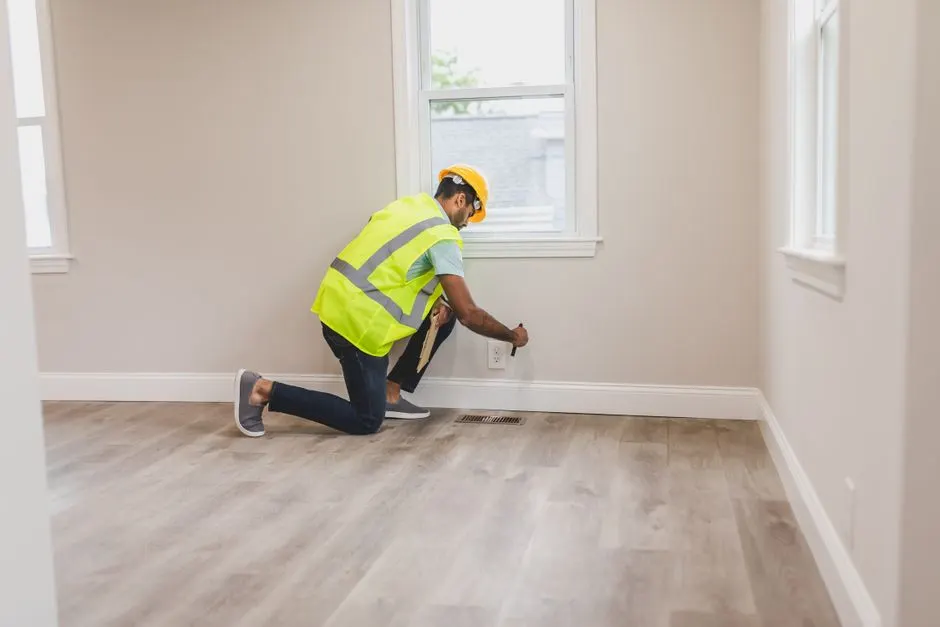
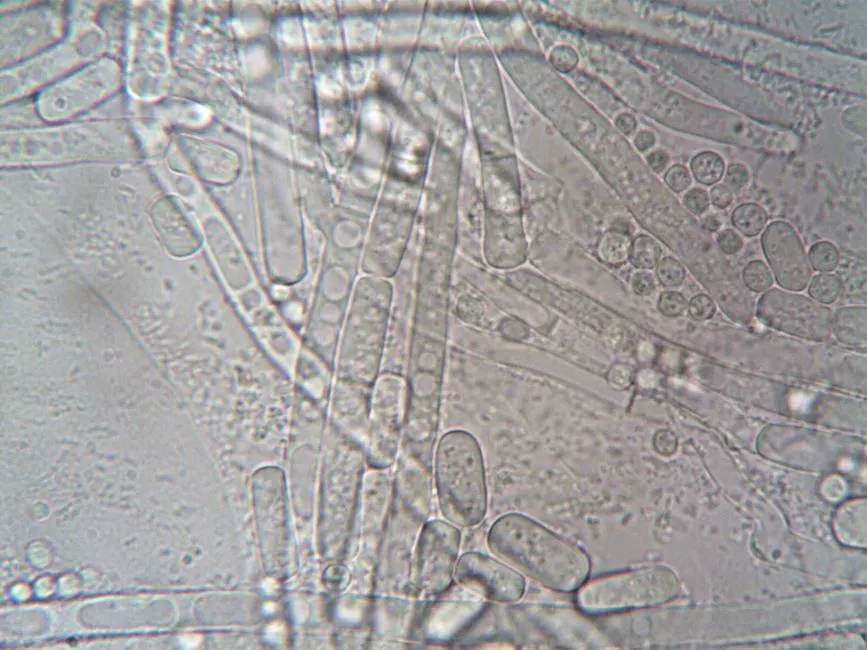
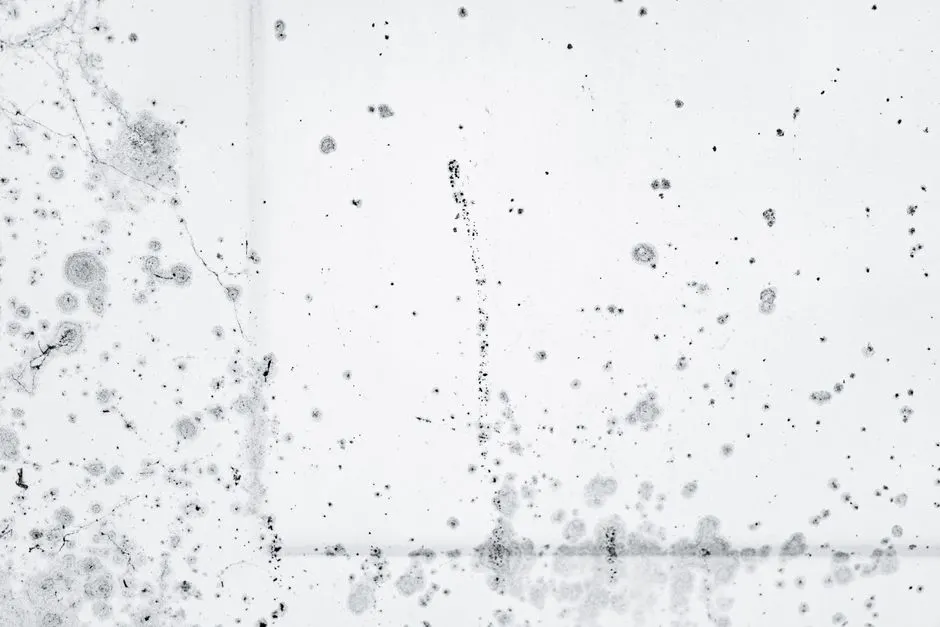
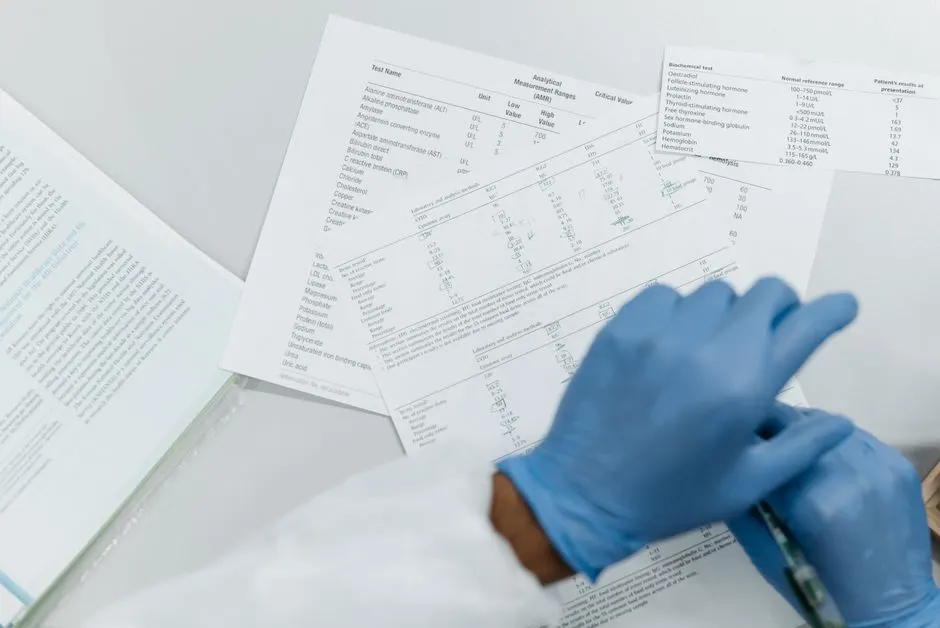
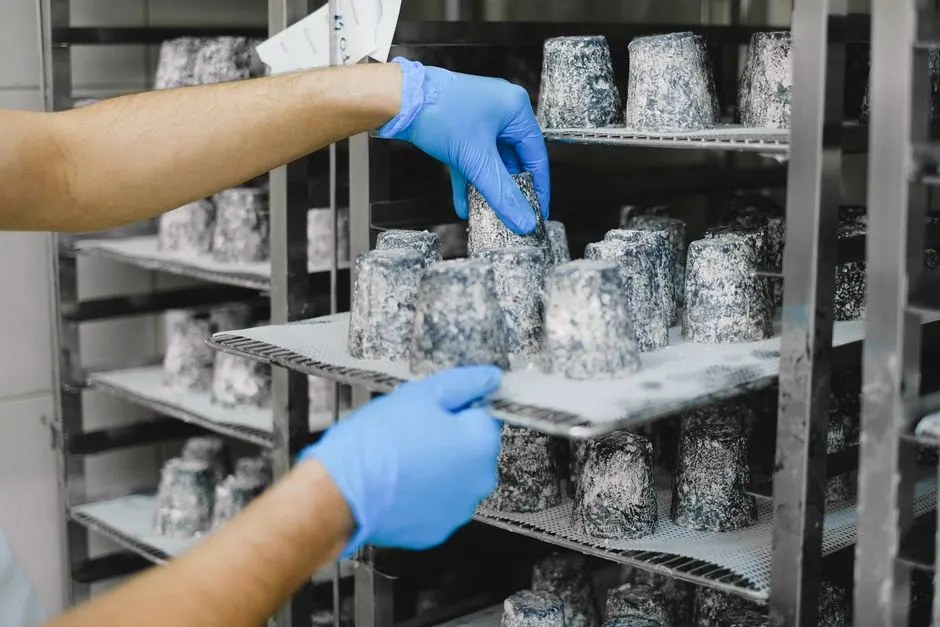
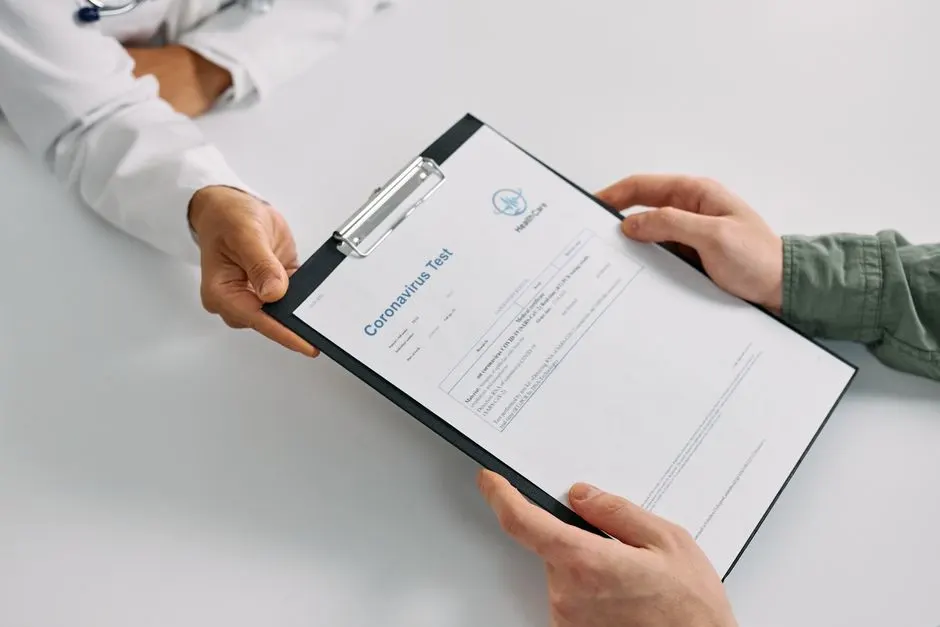
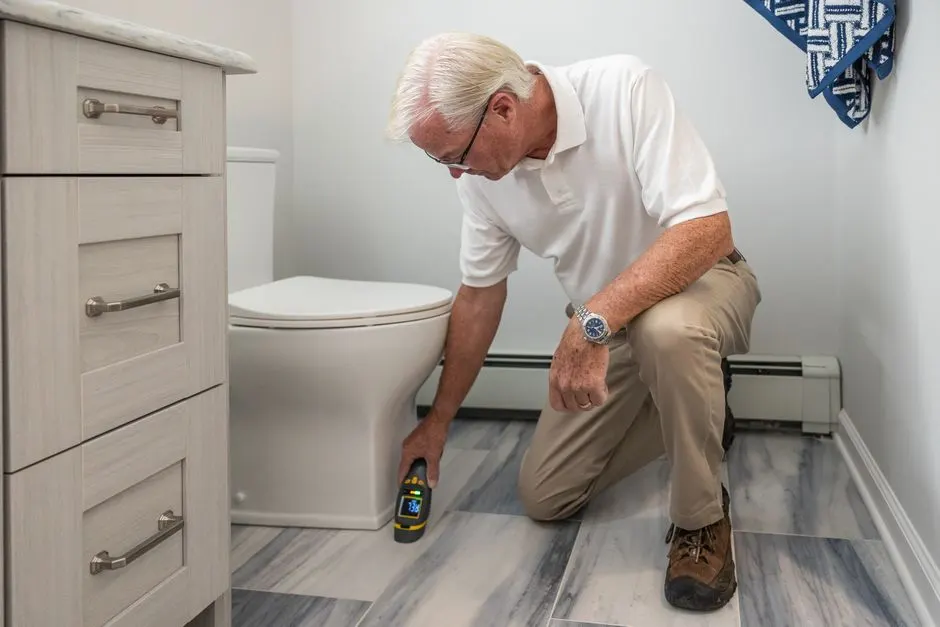
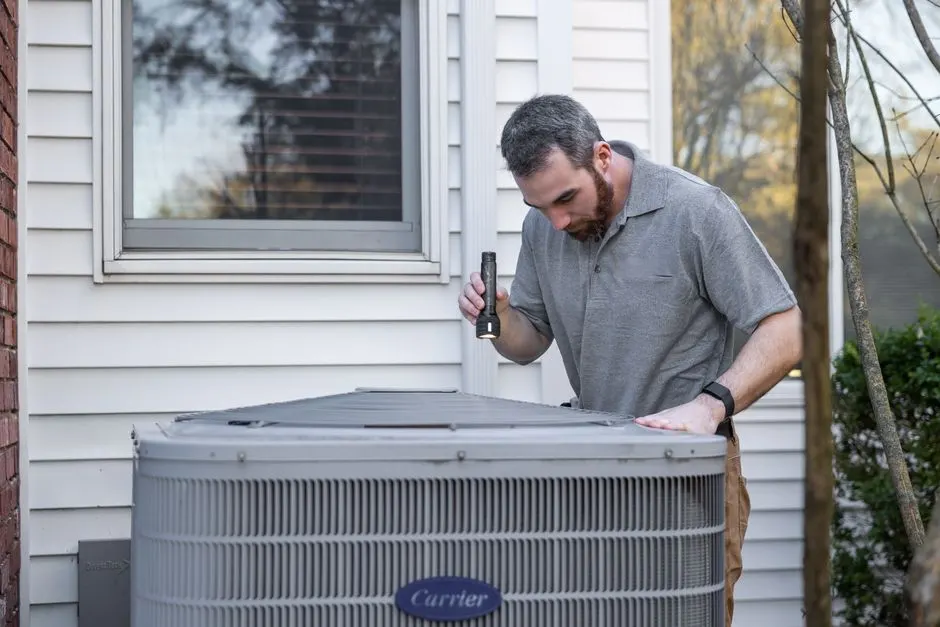
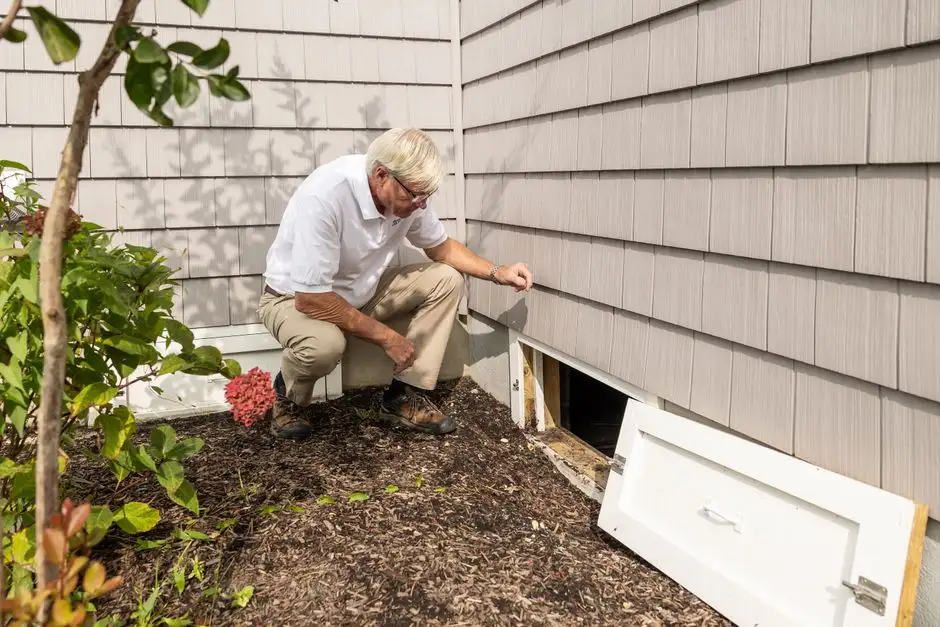
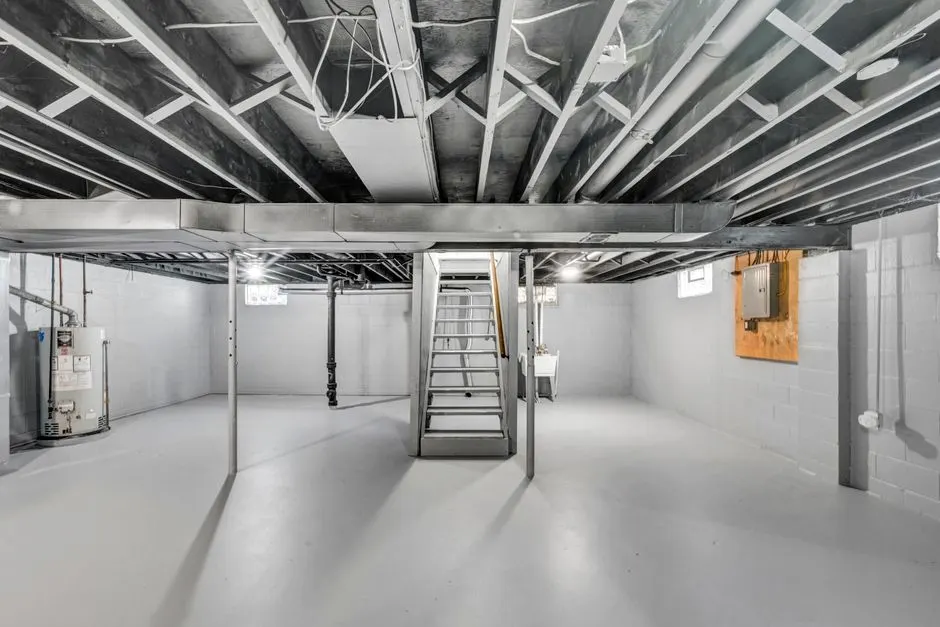



Green Hills includes large homes, condominiums, retail, and institutional properties, so moisture concerns differ from one building to the next. Humid summers and intense seasonal rainfall can contribute to leaks and dampness, while mature landscaping and sloped lots influence drainage near foundations. Renovations and additions can create concealed pathways that do not show at the original point of entry. Green Hills Mold Inspection and Testing connects observed growth or odors to moisture evidence, building materials, and the locations you report.
Roof leaks can wet sheathing and framing, while indoor moisture reaching a poorly ventilated attic can contribute to condensation. Green Hills storms may reveal roof or flashing weaknesses, but a dark mark alone does not establish active growth. The leak history and material moisture matter.
Water movement around a foundation can vary with lot slope, downspouts, and nearby landscaping. A damp crawl space may also reflect plumbing leakage or ground moisture. The condition needs a site-specific check; the landscape alone does not prove a drainage failure.
Rain can expose an entry point at a foundation, window well, or wall transition, and damp stored items may hold odor after water recedes. In Green Hills, the timing of a stain or wet floor relative to a storm helps narrow the likely path, but inspection is needed to confirm observed conditions.
A new wall finish or addition connection can conceal an old or current leak. Moisture may travel along framing and appear away from the original entry, which is why a small stain can be misleading. Renovation records and the sequence of symptoms help interpret the clues.
Call for an inspection when visible growth returns, a musty odor persists, or a water event leaves materials damp after the immediate leak is fixed. In Green Hills, renovations and additions can hide moisture behind finished surfaces, while seasonal rain can expose roof and foundation entry points. A residential mold assessment near Green Hills is useful when you need to know whether a symptom is limited to one room or points to a wider moisture issue. We start with what you have observed and focus the visit accordingly.
Musty odor returns after cleaning
A smell that returns often means moisture or contaminated material remains somewhere nearby, even if the visible surface looks clean. Note whether it worsens after rain, when the HVAC runs, or after the room has been closed. We inspect the odor area and adjacent materials to look for a source.
New staining follows heavy rain
A fresh ceiling or wall stain after a storm can indicate a roof, window, or exterior water entry point. Do not treat the stain as proof of mold, but do record when it appeared and whether the material feels damp. Prompt moisture checks help define the affected area.
Visible growth reappears on a surface
Growth that returns after wiping suggests the surface may still be damp or the underlying source has not been corrected. Repeated cleaning can obscure the pattern without solving the condition. We document the material, check moisture, and determine whether sampling adds useful information.
Condensation forms around vents or windows
Repeated condensation can wet nearby finishes and create conditions that support fungal growth, especially when airflow or humidity is not controlled. Track which rooms and times are affected. An inspection checks the surfaces and moisture conditions rather than assuming condensation alone confirms mold.
Odor appears when HVAC starts
A stale smell that changes with system operation can point to a concern in a room, return path, or accessible HVAC component. It is not enough to identify a source by smell alone. We inspect accessible areas and consider whether targeted air or surface sampling is appropriate.
The Mall at Green Hills is a familiar orientation point for locating nearby streets and commercial addresses. Lipscomb University and Green Hills Branch Library also help distinguish the surrounding area when arranging access. Radnor Lake State Park provides a recognizable reference toward the southern side of the service area; its presence is not used to infer a property's moisture condition. Give us your full address, suite, and preferred entrance so we can find the correct drop-off point without delaying the inspection.
This established shopping destination is a clear orientation point near the Hillsboro Pike commercial corridor. Sharing an address or cross-street relative to the mall helps clarify which nearby property entrance you mean.
Lipscomb University is a recognizable location in the Green Hills area and helps distinguish nearby residential and institutional addresses. It is useful as a route reference when confirming the correct building entrance.
The Green Hills Branch Library is a local orientation point for nearby streets and appointments. We use the landmark only to clarify directions, not as an indicator of building conditions or service need.
Plus surrounding Davidson County neighborhoods, with same-day routing on most appointments.
Averaging 4.9 / 5 across verified reviews.
“We had a stain in an upstairs room after heavy rain and could not tell if it was still damp. The inspector checked the wall and nearby materials, explained the moisture readings, and showed us where a sample would be useful. The report made it easier to speak with our roofer about the next step.”
Dana R.
Forest Hills
“Our condominium had a musty closet smell that returned after cleaning. The inspection covered the closet and adjoining bathroom, and the technician explained why the plumbing wall needed attention. We appreciated having the sample location and observations laid out clearly instead of receiving lab numbers without context.”
Michael T.
Hillsboro Pike corridor
“We needed an inspection for a small commercial suite before coordinating repairs. The team worked around our access window, checked the area while the HVAC was running, and documented what they could and could not access. The findings gave our property contact a specific list for follow-up.”
Alicia P.
The Mall at Green Hills area
As November gives way to winter, Green Hills owners should watch for new roof leaks, plumbing moisture, and condensation around colder surfaces. The rest of the year brings its own patterns: spring storms can expose weak roof and foundation details, summer humidity can keep damp materials from drying, and fall weather can reveal problems before heating season. If you are looking for airborne mold testing near me in Green Hills, first note the room, timing, and conditions that trigger the concern. Those details help us choose a useful inspection and sampling plan.
Spring rain can reveal roof leaks, window seepage, or foundation moisture that was less apparent during drier periods. Look for new staining, damp basement edges, and changes in attic odor after storms. A wet material needs attention even if visible growth has not appeared.
Tip: After a leak, note the date and affected rooms, then arrange a moisture inspection while the pattern is still clear. Keep the area accessible and avoid covering damp materials before the source is assessed.
Humid summer air can slow drying, particularly in crawl spaces, basements, and rooms with limited air movement. Air-conditioning operation may also make condensation more noticeable near vents or cold surfaces. Persistent dampness, not humidity alone, determines where inspection should focus.
Tip: Use a hygrometer to track indoor humidity and record readings with the room and time. If a material remains damp or an odor persists, call for an inspection that checks the moisture source as well as visible surfaces.
Fall is a useful time to check roof and attic conditions before winter weather, especially if summer storms left stains or a repair is unfinished. Leaves and landscaping can also make it harder to see drainage details around a home, so document areas that repeatedly stay wet.
Tip: Before closing up seasonal spaces, look for attic staining, crawl-space odor, and damp basement storage. Arrange an assessment for unresolved water marks instead of painting over them.
Winter brings colder surfaces and more closed-window living, which can make condensation and musty odors easier to notice. Roof leaks after storms and plumbing leaks can still wet finished materials. A new stain or damp patch should be checked before it spreads into adjoining rooms.
Tip: Keep furniture and stored items away from a damp wall, and note whether condensation follows showering, cooking, or HVAC use. Call promptly for active water intrusion so the source and affected materials can be assessed.
Green Hills is part of our wider Nashville service region, and we coordinate calls across nearby neighborhoods based on address, access, and the reported moisture concern. We also serve Downtown Nashville, Midtown, Music Row, and other listed locations. If you manage more than one property, tell us which sites are affected so we can understand the relationship between the visits and prepare a sensible inspection sequence.
(City)
Downtown Nashville is north of Green Hills within the same Nashville service region, with a different mix of commercial and residential buildings.
View Downtown Nashville(City)
The Gulch lies north of Green Hills and is part of the same urban service area, with appointments routed by address and access.
View The Gulch(City)
SoBro is a central Nashville service area north of Green Hills; building access and property management shape visit planning.
View SoBro(City)
Midtown is another nearby Nashville service area, coordinated alongside Green Hills calls according to the inspection concern and schedule.
View Midtown(City)
Music Row connects Green Hills with nearby Nashville appointments across a mix of workplaces and residences.
View Music Row(City)
West End is part of the broader Nashville service region and is handled with Green Hills through address-based routing.
View West EndReal answers from our team for the questions we hear most often before a job starts.
If a Green Hills room smells musty, shows recurring growth, or stayed damp after a leak, call Nashville Mold Testing at +18668968166. We will ask what happened, identify the right inspection focus, and explain whether sampling is useful. We serve homes, condominiums, retail, and institutional properties across Green Hills, Tennessee. Call now to discuss your property and arrange the next available visit.
Tell us what you have noticed, where it is happening, and whether a leak or cleanup has already occurred. Call +1 866-896-8166 during regular business hours, Monday through Friday, 8 a.m. to 6 p.m. Central Time. We will discuss the concern, explain the inspection options, and help you take the next practical step.
Phone
+18668968166Address
Nashville, Tennessee
Hours
Mon–Fri: 7AM – 7PM
Sat: 8AM – 4PM
Sun: Emergency Only
24/7 Emergency Available