
Sevier Park
Sevier Park is a recognizable public green space in the 12 South area. It provides a clear orientation point when describing nearby streets, but the property address is still needed to identify the inspection location.
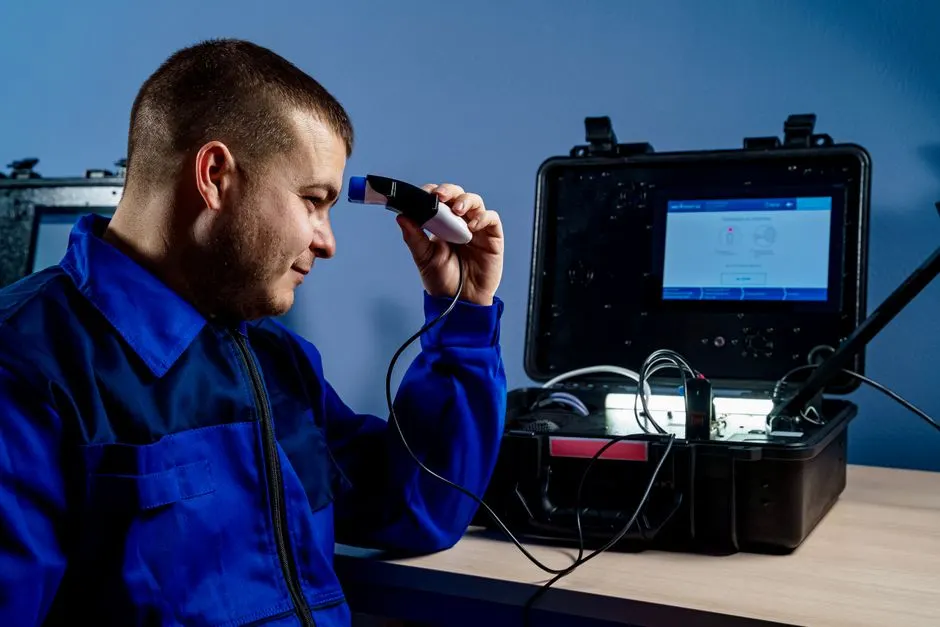
Mold Inspection and Testing in 12 South is an indoor environmental assessment service that checks for moisture conditions, visible fungal growth, and airborne or surface mold when a property has signs of water damage or a persistent odor. Nashville Mold Testing works in the area's mix of renovated historic homes, newer infill, and neighborhood retail, where a fresh finish can conceal an older leak or a recent renovation can expose one. We inspect Belmont-Hillsboro and Waverly-Belmont properties as well as homes near Sevier Park and Belmont University. Our 12 South Mold Inspection and Testing process starts with the building history and the rooms where you notice a problem, not a one-size-fits-all sampling package.
Older homes may have crawl spaces, aging plumbing, and concealed wall cavities that need careful investigation. New construction and remodels create a different challenge: disturbed materials can reveal prior moisture conditions that were never documented. We use a moisture meter and, when appropriate, infrared thermal imaging to direct further checks. If testing is justified, we collect samples and submit them with chain-of-custody documentation to an AIHA-accredited environmental microbiology laboratory. You receive findings tied to the inspected areas and clear next steps.
Mold concerns in 12 South often begin with a roof leak after a seasonal storm, condensation in a closed-up room, or plumbing trouble behind a finished wall. Our inspection work follows the moisture path and the building layout, whether you own a renovated home near the murals or manage a shop in the commercial district. If you're searching for Mold Inspection and Testing near me in 12 South TN, tell us what changed, when it started, and which rooms are affected. That history helps us choose useful inspection points and avoid unnecessary sampling.
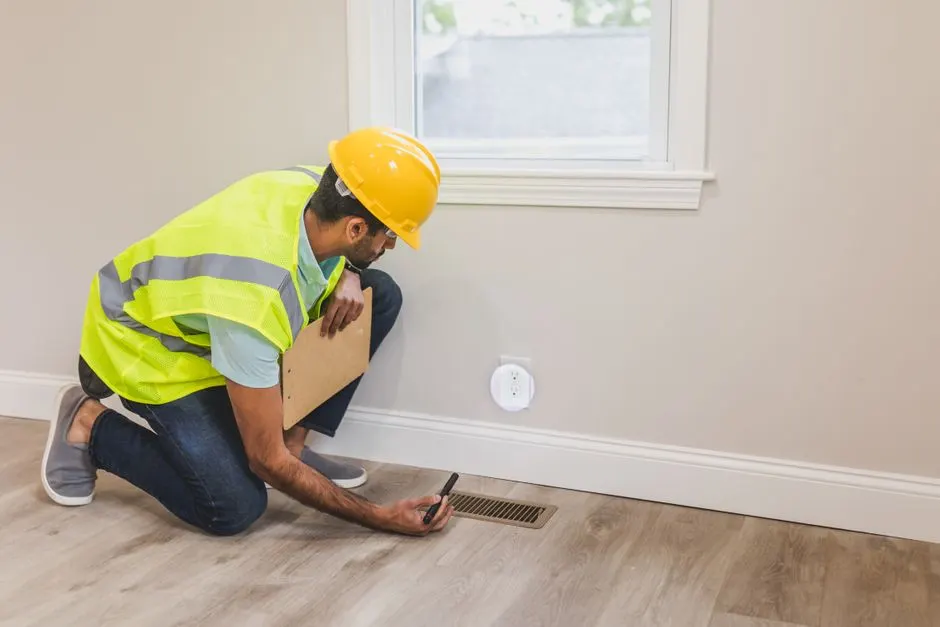

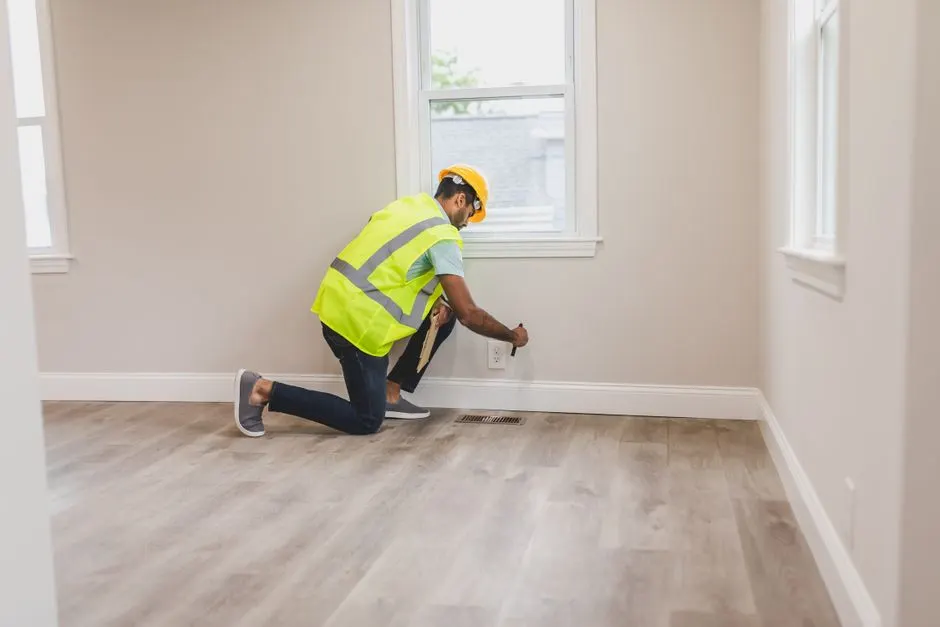
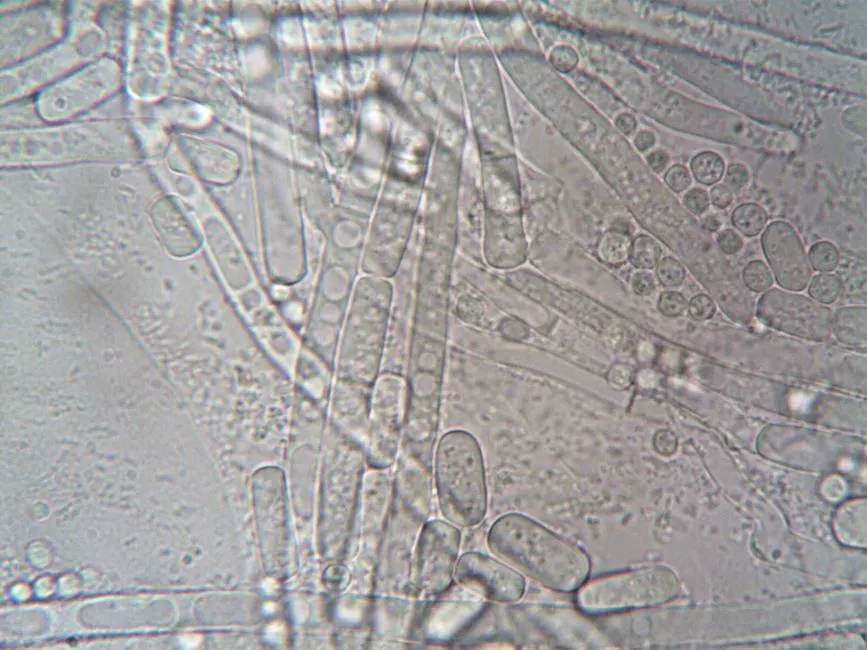
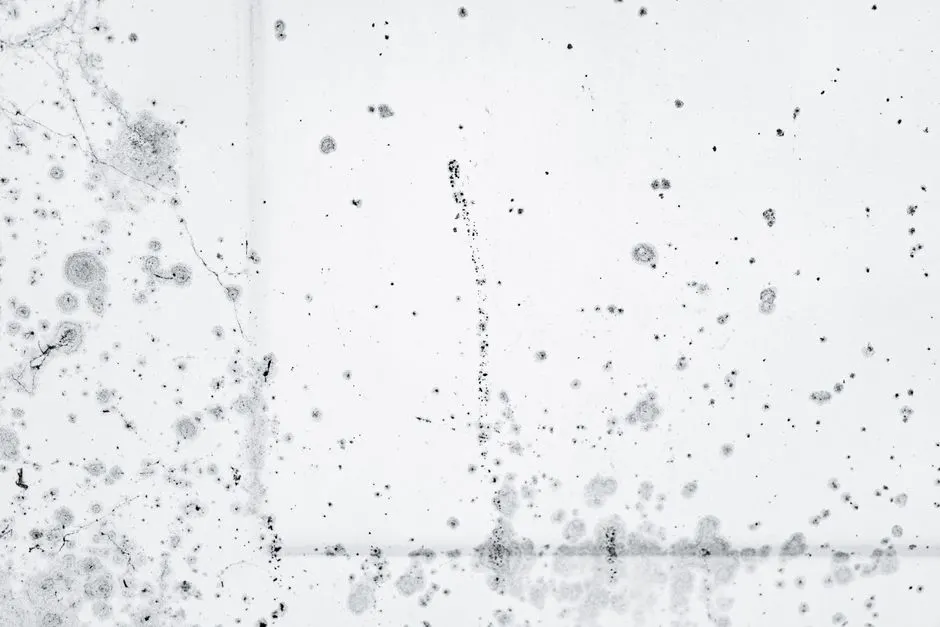
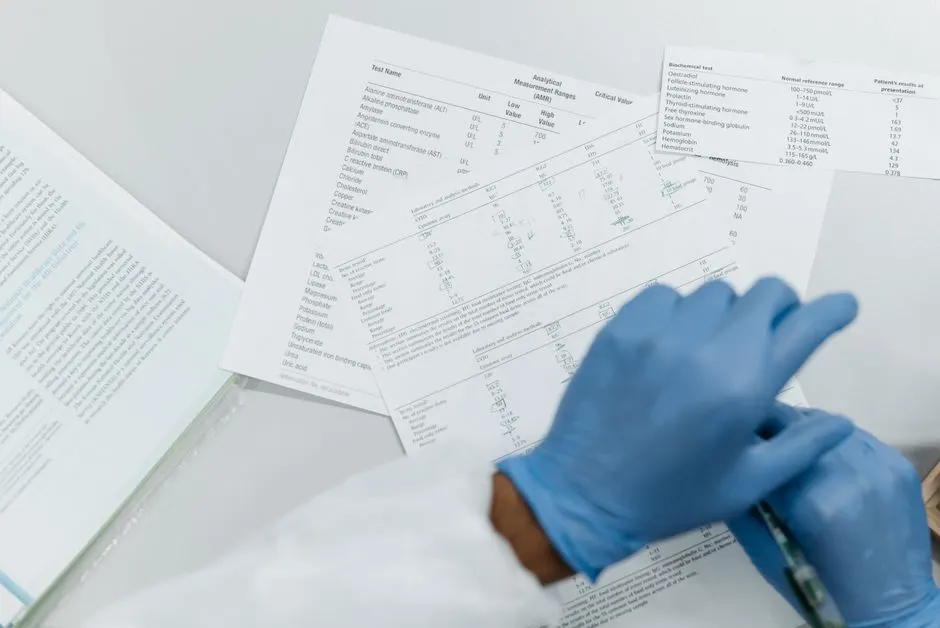
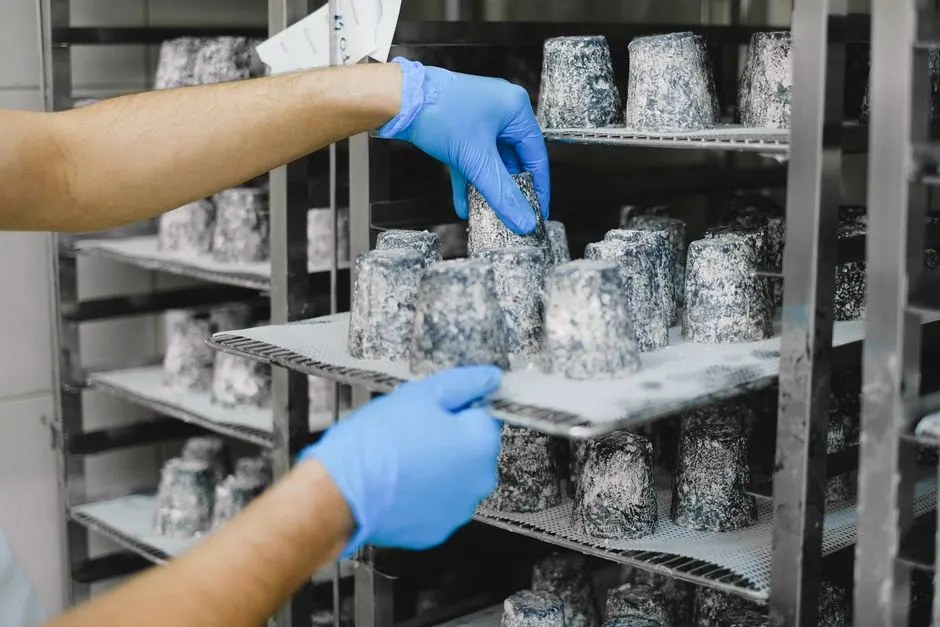
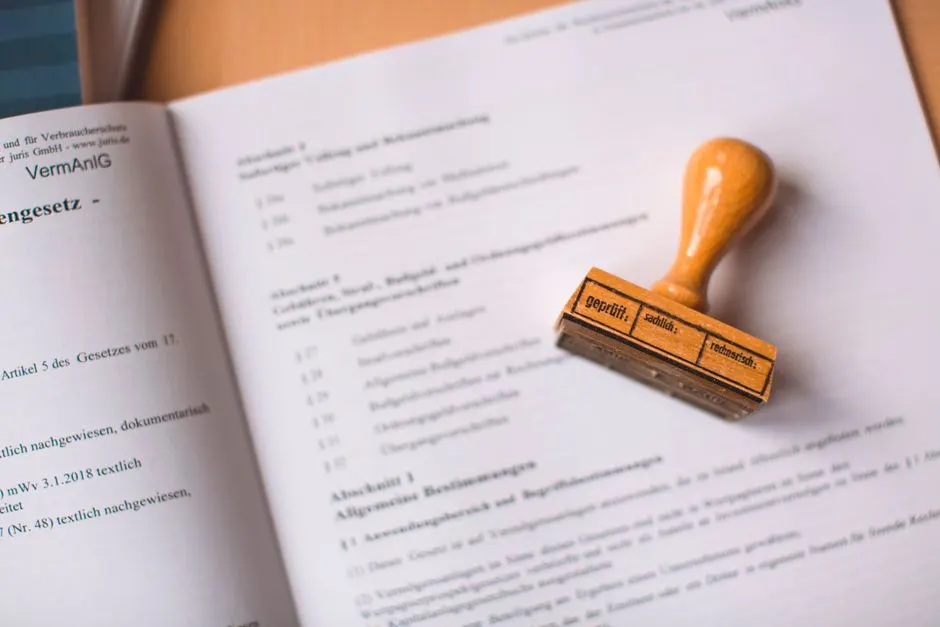
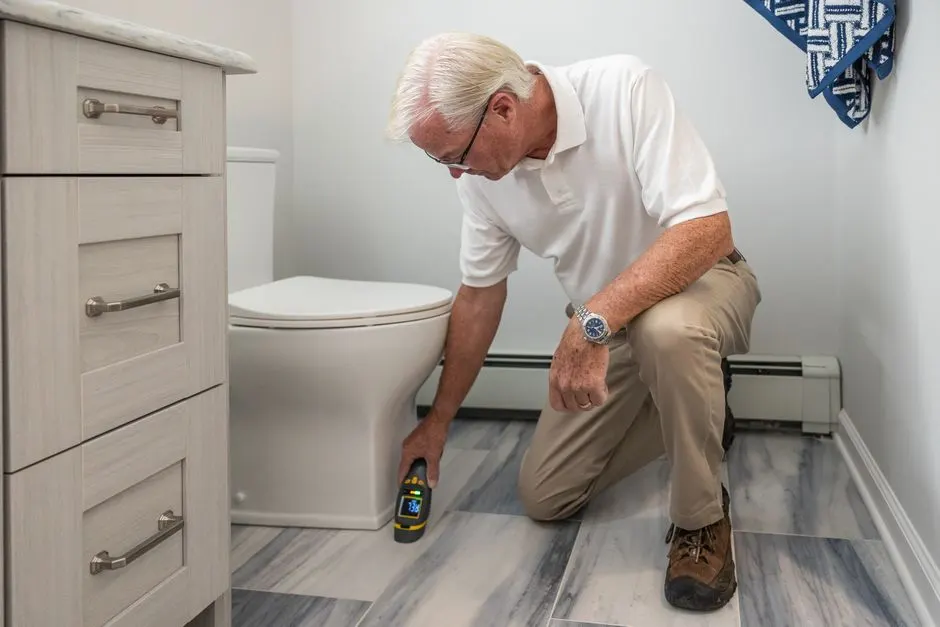
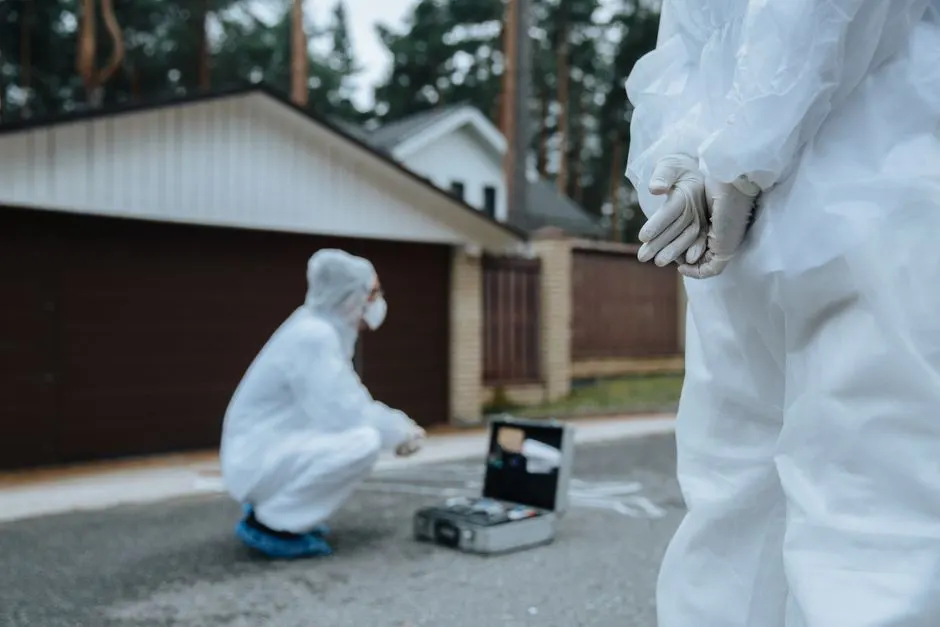
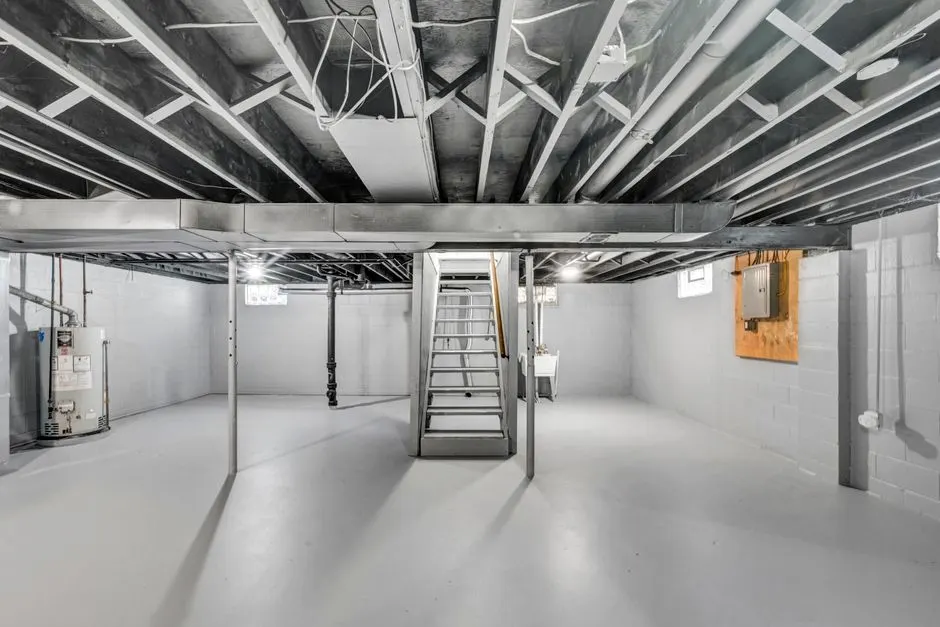


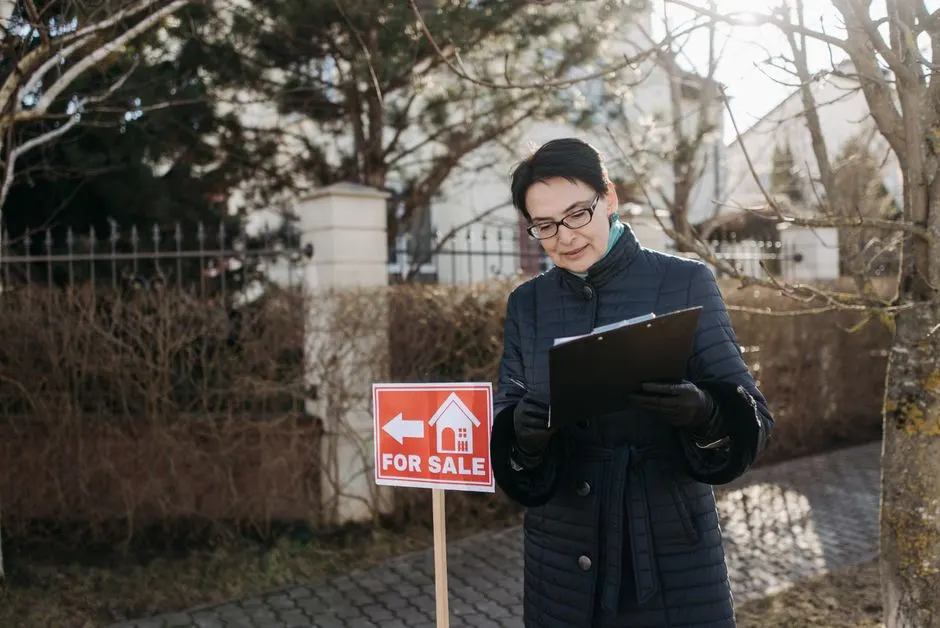
12 South's building stock ranges from older homes with crawl spaces and aging plumbing to renovated houses, newer infill, and neighborhood retail. Humid summers and seasonal storms can contribute to roof and foundation leaks, while renovation work can uncover previous moisture conditions. Those patterns do not mean every stain is mold; they make a careful inspection more useful than a guess. If you are looking for mold sampling near 12 South, we first identify the material or air question the sample needs to answer, then document the location and conditions.
A roof leak can wet sheathing or insulation, and temperature differences may contribute to condensation in poorly ventilated areas. In 12 South, seasonal storms can reveal weak roof details. Staining can remain after the leak stops, so the material's current moisture condition matters.
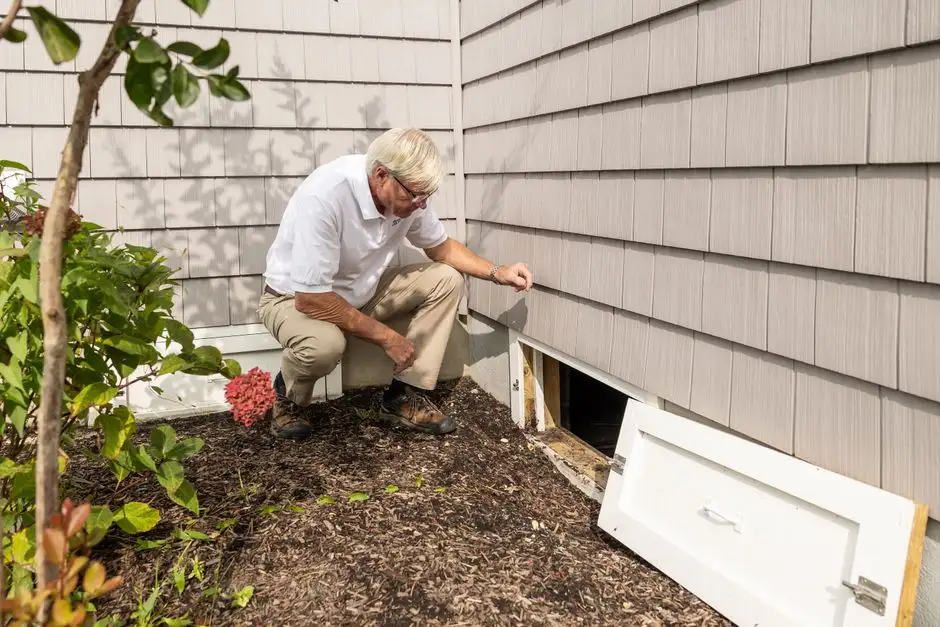
Older homes may have crawl spaces where moisture collects or enters through foundation details. Damp soil conditions, plumbing leaks, or poor drainage can leave wood and insulation exposed to persistent moisture, especially when the space is not routinely inspected.
Remodeling can remove finishes that concealed an older plumbing leak, roof-related stain, or previous water intrusion. A newly exposed mark may be dry and historical, or it may sit beside materials that remain damp. Appearance alone cannot establish which condition is present.
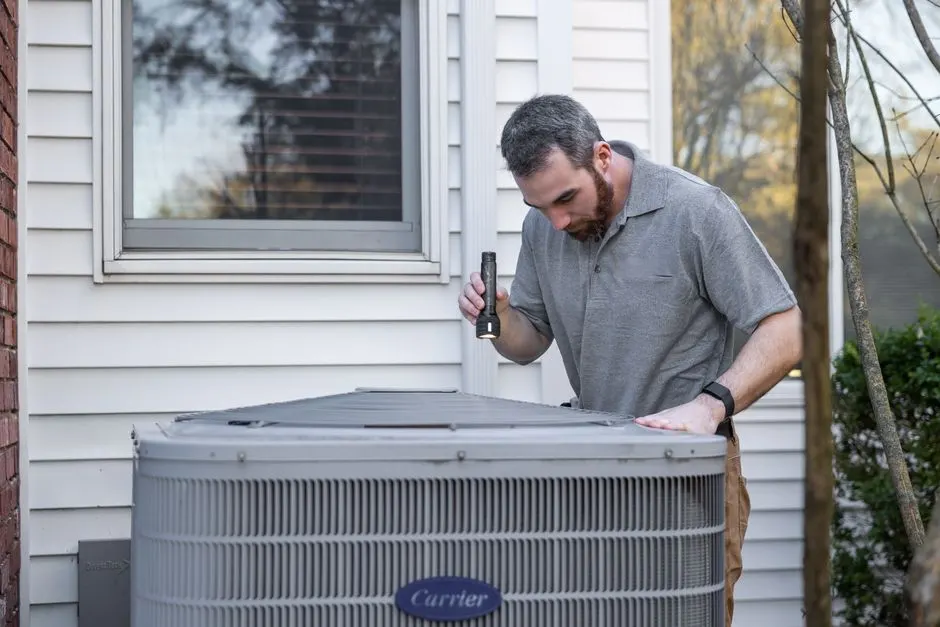
Cooling-season humidity, a condensate drainage issue, or moisture on nearby surfaces can contribute to recurring dampness around HVAC equipment. A musty odor near a register is a clue to inspect, but does not by itself prove growth inside the system.
A recurring stain, musty odor, or damp material deserves attention when it follows a leak, roof repair, or renovation. In 12 South's older homes, concealed plumbing and crawl spaces can make the visible mark smaller than the affected area. If you need a residential mold assessment near 12 South, describe what you can see and whether the problem changes after rain or HVAC use. We use those details to focus the inspection and decide whether a moisture check, visual assessment, or sample can provide a useful answer.
Musty odor returns after cleaning
A smell that returns after surface cleaning can point to moisture or growth in a nearby wall cavity, floor assembly, or HVAC area. Note which room and conditions make it stronger. We trace the odor to accessible materials and check moisture before recommending invasive investigation.
Water stain reappears after rain
A ceiling or upper-wall stain that darkens after a storm suggests a roof or exterior water-entry path that may still be active. Even if the surface dries, nearby insulation or framing can remain damp. Arrange source repair and inspection rather than repeatedly painting over the mark.
Paint bubbles near plumbing
Blistering paint or soft drywall near a bathroom, kitchen, or laundry connection can signal a slow leak behind the finish. The urgency rises if the material feels damp or the damaged area grows. We check the surface and nearby readings to help define the affected zone.
Visible growth appears after remodeling
Renovation can expose concealed staining or visible mold that was covered by trim, flooring, or drywall. Stop disturbing the affected material until the condition is assessed, especially if debris is spreading. We document the exposed area and determine whether a targeted sample is appropriate.
Crawl space smells damp upstairs
A damp or musty odor on the first floor can be associated with conditions below the living space, including wet insulation or framing. This does not establish the source by itself. We inspect accessible crawl-space areas and compare the findings with moisture or odor patterns indoors.
12 South murals and Sevier Park are useful orientation points for locating the neighborhood's central blocks, while Belmont University helps distinguish nearby addresses toward the north. The 12 South commercial district is a recognizable reference for shops and business entrances. We use these landmarks only to clarify directions; they do not indicate a mold condition at any property. For a visit, the exact street address, unit, and entry instructions remain the best way to find your door.
Sevier Park is a recognizable public green space in the 12 South area. It provides a clear orientation point when describing nearby streets, but the property address is still needed to identify the inspection location.
The neighborhood's murals are well-known visual markers along the commercial corridor. They help visitors recognize the area and communicate general directions without identifying a particular building or service need.
Belmont University lies near the northern edge of the broader 12 South area and is a familiar reference for nearby addresses. We use it only for general orientation when confirming a route.
Plus surrounding Davidson County neighborhoods, with same-day routing on most appointments.
Averaging 4.9 / 5 across verified reviews.
“We called after a musty smell returned in our Belmont-Hillsboro home even though the plumbing repair was done. The inspector checked the wall and nearby floor, took moisture readings, and explained why one surface sample made sense. The report showed exactly where the sample came from and what to address next. We appreciated getting a direct explanation instead of a sales pitch.”
Megan R.
Belmont-Hillsboro
“During a renovation near Waverly-Belmont, we uncovered an old stain behind trim and wanted to know whether it was still damp. The inspection checked several nearby points and included a sample from the exposed material. The findings were organized by location, which made it easier to talk with our contractor about the repair area.”
David L.
Waverly-Belmont
“Our small business in the 12 South commercial district needed an assessment of a rear-room odor after a ceiling leak. The inspector worked around our opening hours, recorded the room conditions, and collected comparison air samples. We received a clear report that separated the ceiling stain from the laboratory findings and gave us practical next steps.”
Tanya S.
12 South commercial district
As November moves into winter, cooler indoor surfaces and closed windows can make existing condensation or musty odors easier to notice. Through the year, 12 South's humid summers and seasonal storms can contribute to moisture problems, while spring and fall weather can expose roof or foundation weaknesses. If you are searching for same-day mold inspection in 12 South, call with an active leak or new visible growth and describe whether the water source is controlled. We match the inspection to the current condition, not the season alone.
Spring storms can reveal roof leaks, window seepage, and foundation entry points in 12 South properties. Water may travel beyond the first visible stain, especially around ceilings and lower-level walls. Renovation work during the season can also uncover older damp materials.
Tip: After a storm, photograph fresh staining and note when it appeared. Arrange repair of the water source, then check affected materials for residual moisture before repainting or closing a wall.
Humid summer air can raise indoor moisture, particularly in closed rooms, crawl spaces, and areas near cooling equipment. Condensation around HVAC components or a damp odor in a renovated home calls for inspection of the surrounding materials and drainage conditions.
Tip: Keep an eye on condensate drains and rooms that remain closed. If a musty smell persists, record its location and whether it changes while the HVAC system runs.
Fall storms can expose roof and exterior vulnerabilities before colder weather arrives. Leaves or debris around drainage paths can contribute to water-management issues, while a repaired summer leak may leave materials that still need checking.
Tip: Inspect ceilings and lower-level walls after heavy rain. If a stain returns, document the timing and arrange a moisture inspection before seasonal maintenance covers the evidence.
Winter brings more time indoors and less window opening, so lingering odors can become more noticeable. Cold surfaces beside warm indoor air may support condensation, while plumbing leaks can dampen concealed materials without an obvious exterior water path.
Tip: Keep indoor humidity under observation with a hygrometer and address plumbing leaks promptly. If condensation or odor repeats in the same room, have the nearby materials checked rather than masking the smell.
Our 12 South visits connect with service calls across Nashville, Tennessee, and Davidson County. The same inspection approach applies across nearby neighborhoods, but each property still gets a site-specific plan based on its materials, reported moisture, and access. We serve customers moving between 12 South and the surrounding city districts, including the locations below. Call with your address and concern so we can direct you to the right service area.
(City)
Downtown Nashville is north of 12 South, and customers may coordinate property inspections across both areas during a move or renovation.
View Downtown Nashville(City)
The Gulch is a nearby central Nashville district; the drive from 12 South depends on the specific address and traffic.
View The Gulch(City)
SoBro sits near Downtown Nashville and is part of the same broader service region as 12 South.
View SoBro(City)
Midtown is northwest of 12 South, with service requests commonly planned as separate property visits across the city.
View Midtown(City)
Music Row is adjacent to the broader 12 South area and shares convenient access within central Nashville.
View Music Row(City)
West End lies farther northwest within Nashville; we include it in the wider service region alongside 12 South.
View West EndReal answers from our team for the questions we hear most often before a job starts.
If a leak, stain, or musty odor has you concerned, call Nashville Mold Testing to arrange an inspection in 12 South. Tell us what changed and where you noticed it; we will focus the visit on the affected materials and explain whether sampling is useful. We serve Davidson County, Tennessee, including properties in 37204 and 37212. Call +18668968166 to book your assessment.
Tell us what you have noticed, where it is happening, and whether a leak or cleanup has already occurred. Call +1 866-896-8166 during regular business hours, Monday through Friday, 8 a.m. to 6 p.m. Central Time. We will discuss the concern, explain the inspection options, and help you take the next practical step.
Phone
+18668968166Address
Nashville, Tennessee
Hours
Mon–Fri: 7AM – 7PM
Sat: 8AM – 4PM
Sun: Emergency Only
24/7 Emergency Available